Movement therapy is highly effective for improving balance and agility, which are essentia…

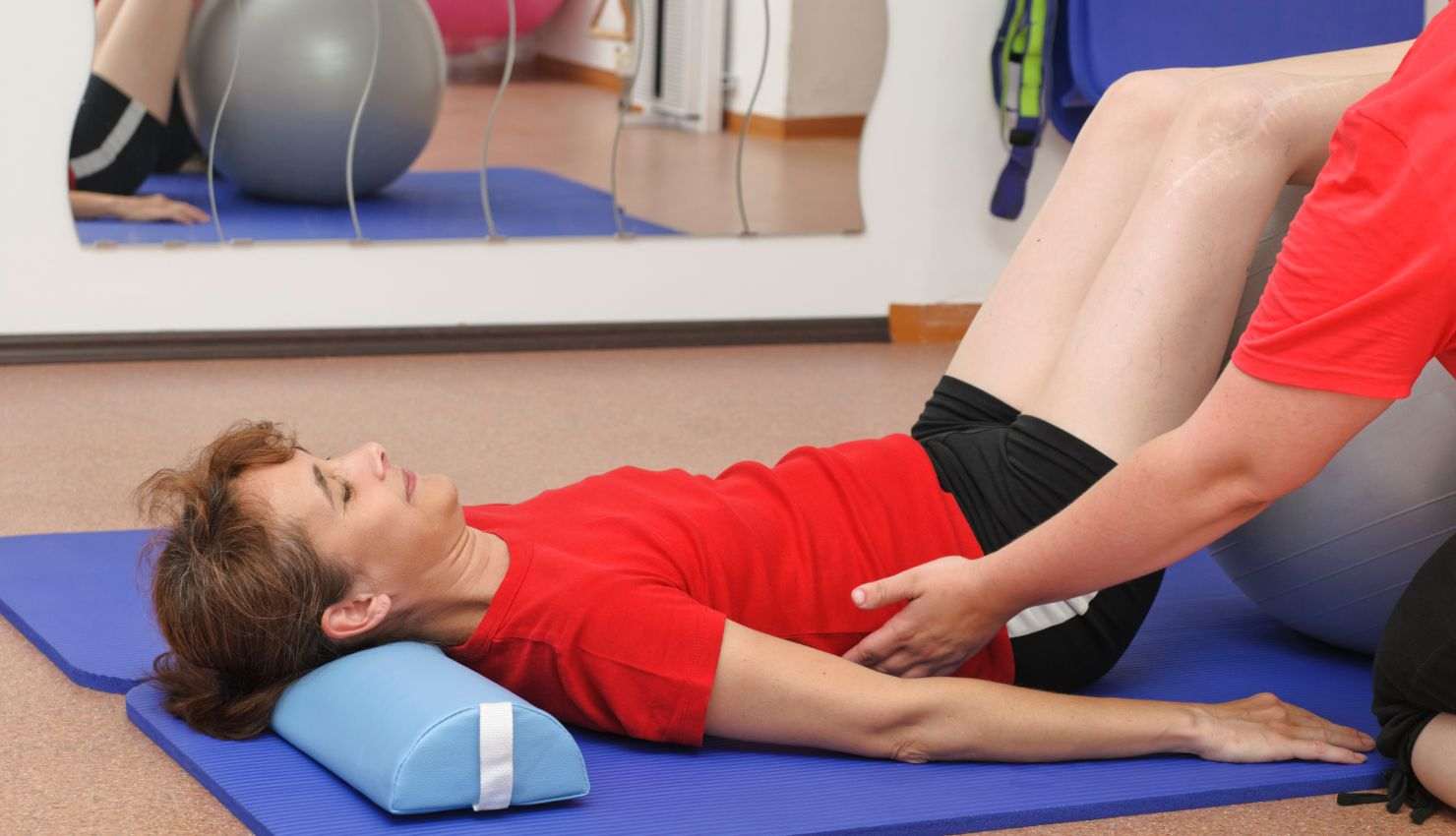
Movement therapy is highly effective for improving balance and agility, which are essential for functional movement, injury prevention, and performance in everyday life and sports. By retraining the bodys coordination, stability, and reaction time, movement therapy builds the neuromuscular foundation needed for quick, controlled, and safe motion.
?? What Are Balance and Agility?
Balance: The ability to maintain the bodys center of gravity over its base of support, whether still or in motion.
Agility: The ability to move quickly and efficiently while maintaining control, including changes in direction, speed, and position.
? How Movement Therapy Enhances Balance and Agility
Benefit Impact on Movement
Improves proprioception Increases awareness of body position to maintain control
Strengthens stabilizing muscles Enhances ankle, hip, and core support for better stability
Trains reaction and coordination Improves the body’s ability to adapt to sudden shifts and obstacles
Boosts postural alignment Creates a strong foundation for efficient, controlled movement
Corrects movement patterns Prevents imbalance and uneven loading that affect agility
Enhances joint mobility and control Allows smoother transitions and sharper direction changes
????? Movement Therapy Techniques for Balance and Agility
Single-Leg Balance Exercises
Improves ankle and hip stability
Example: Single-leg stand, tree pose, balance pad work
Dynamic Balance Drills
Challenges control during movement
Example: Heel-to-toe walk, walking lunges, lateral step-overs
Agility Ladder and Cone Drills
Refines footwork and reaction time
Example: Side shuffles, quick steps, zigzag runs
Core Stability Training
Supports upright posture and directional control
Example: Bird-dog, side planks, anti-rotation holds
Proprioceptive Neuromuscular Facilitation (PNF)
Retrains neuromuscular control and spatial awareness
Example: Diagonal limb movements with resistance bands
Reactive and Perturbation Training
Enhances quick reflexes and movement adaptability
Example: Partner pushes during balance holds, unstable surface drills
?? Who Benefits from Improved Balance and Agility?
Older adults: To reduce the risk of falls and maintain independence
Athletes: To improve performance and prevent injury
Rehabilitation patients: To regain function after surgery or injury
Fitness enthusiasts: To increase coordination and movement confidence
Dancers and martial artists: For fluid transitions and precision control
?? Neuromuscular Benefits
Movement therapy helps:
Improve brain-muscle communication
Enhance motor planning and execution
Build cognitive-movement connection, which supports both physical and mental sharpness
??? Sample Balance + Agility Routine (Beginner to Intermediate)
Exercise Reps/Duration
Single-leg stand (eyes closed) 3 x 30 sec/leg
Heel-to-toe walk 3 x 20 steps
Side shuffles (with cone tap) 3 x 20 sec
Lunge to knee drive 3 x 10 reps/leg
Bird-dog (slow & controlled) 3 x 10 total
Diagonal band walks 3 x 10 steps/side
? Summary
Movement therapy develops balance and agility by:
Activating stabilizer muscles
Training precise, coordinated movement
Improving responsiveness and control
Reducing fall and injury risk
Boosting performance and fluidity