Flexibility and range of motion are key to comfortable, efficient, and pain-free movement….

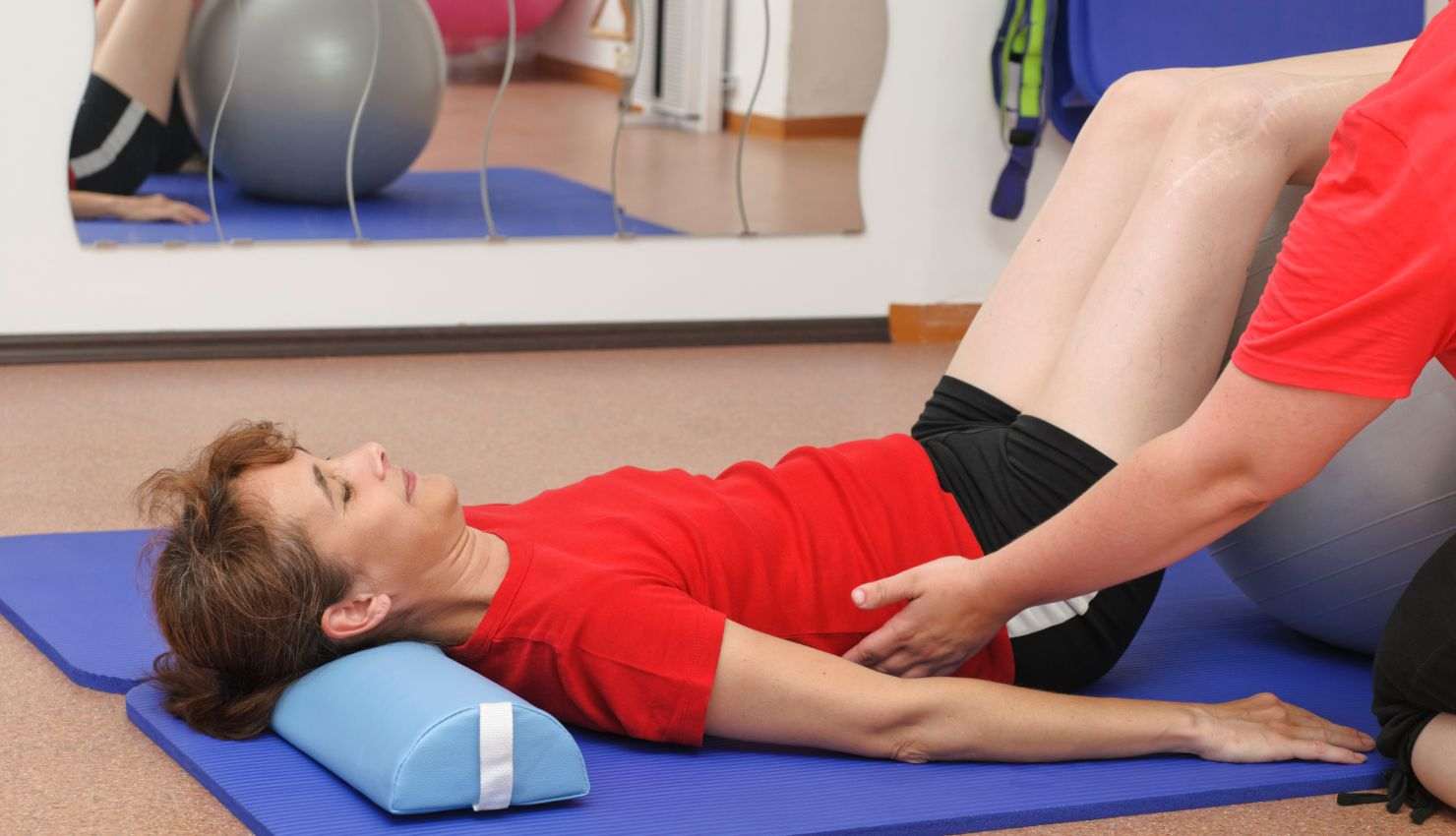
Flexibility and range of motion are key to comfortable, efficient, and pain-free movement. Whether you’re an athlete, recovering from an injury, or looking to move with greater ease as you age, movement therapy offers a highly effective, personalized approach to enhancing your bodys natural mobility.
Unlike traditional static stretching, movement therapy is dynamic, integrative, and functionaltargeting both the muscles and the nervous system to unlock greater freedom in movement.
What is Flexibility and Range of Motion?
Flexibility: The ability of muscles and connective tissues to lengthen.
Range of Motion (ROM): The full movement potential of a jointhow far it can move in various directions.
Flexibility supports ROM, but full, functional mobility also requires neuromuscular control and joint health.
How Movement Therapy Improves Flexibility and Range
Activates Muscles While They Lengthen
Unlike passive stretching, movement therapy uses active movements to train muscles to lengthen under control, making gains in flexibility more sustainable.
Improves Neuromuscular Control
Enhances the brain-body connection, teaching the nervous system that greater ranges are safe and usable in daily activities or sports.
Releases Fascial Restrictions
Mobilizes and hydrates the fascia (the connective tissue surrounding muscles), which often limits flexibility when tight or stuck.
Strengthens End-Range Stability
Builds strength and control at the edge of your motion, reducing the risk of overstretching or injury.
Encourages Balanced Movement Patterns
Identifies and corrects asymmetries or compensations that restrict healthy joint motion.
Top Techniques in Movement Therapy for Flexibility
?? Dynamic Mobility Drills
Movement-based stretches that mimic real-life or athletic movements.
Examples: Leg swings, arm circles, spinal rotations, deep lunges with reach.
Benefit: Warms up joints and tissues, preparing the body for movement.
?? Proprioceptive Neuromuscular Facilitation (PNF)
Alternating contraction and relaxation of muscles to improve stretch tolerance.
Example: Contract the hamstrings briefly before stretching them deeper.
Benefit: Creates faster, deeper improvements in flexibility.
?? Somatic and Breath-Based Movements
Gentle, mindful movements coordinated with breath to reduce tension.
Example: Slow spinal rolls, pelvic tilts, or yoga-inspired flows.
Benefit: Relaxes the nervous system and releases chronic muscular holding patterns.
?? Controlled Articular Rotations (CARs)
Slow, isolated joint movements through their full range.
Example: Hip circles, shoulder CARs, spinal segmental waves.
Benefit: Maintains joint health and builds body awareness.
?? Functional Movement Integration
Combines flexibility with real-life motion.
Example: Deep squats, crawling, rolling, or transitions from floor to stand.
Benefit: Makes newfound flexibility useful and transferable.
Who Benefits from Movement Therapy for Flexibility?
? Athletes (to improve performance and reduce injury)
? Seniors (to prevent stiffness and falls)
? Post-surgical or rehab patients
? Yoga and dance practitioners
? Office workers or sedentary individuals
? People with arthritis or joint limitations
Benefits You Can Expect
Increased ease of movement
Better posture and alignment
Reduced stiffness and joint pain
Greater athletic performance and fluidity
Faster recovery from workouts or injury
Improved mental relaxation and body awareness
Conclusion
Movement therapy goes far beyond passive stretchingproviding an active, intelligent, and body-centered approach to flexibility and range of motion. By blending mobility drills, neuromuscular retraining, and mindful movement, it helps you unlock a greater capacity to move, perform, and feel your best.