After surgerywhether orthopedic, neurological, or generalpatients often experience: Joi…

After surgerywhether orthopedic, neurological, or generalpatients often experience:
Joint stiffness
Muscle weakness
Scar tissue restrictions
Fear of movement
Loss of balance and coordination
These can significantly delay recovery and affect daily function. Thats where movement therapy plays a vital role.
?? What Is Movement Therapy?
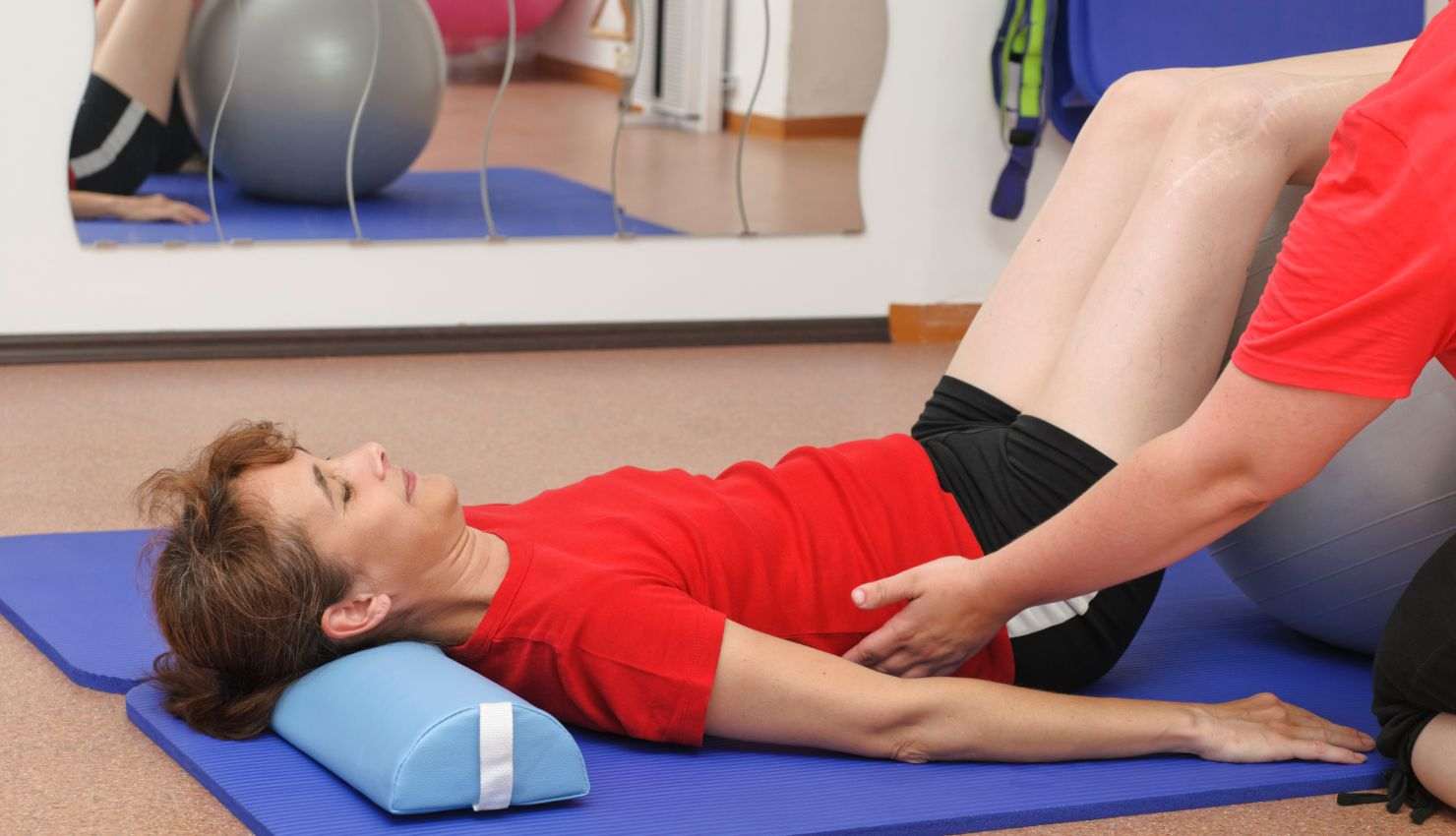
Movement therapy involves structured, therapeutic exercises aimed at restoring safe and functional movement. Its typically guided by a physical therapist or rehabilitation specialist and adapted to the patients specific surgery and limitations.
? Key Benefits of Movement Therapy After Surgery
1. Restores Range of Motion
Post-operative stiffness can limit movement in joints like the knee, shoulder, or spine. Movement therapy uses gentle mobilization to safely restore flexibility.
2. Rebuilds Muscle Strength
After surgery, muscle atrophy is common. Targeted strength exercises help rebuild muscles surrounding the affected area, providing joint support and stability.
3. Reduces Pain and Swelling
Low-impact movements promote circulation, which helps reduce inflammation, relieve pain, and improve tissue healing.
4. Prevents Scar Tissue Adhesions
Gentle movement prevents excessive scar tissue buildup, which can restrict movement and cause discomfort if left unaddressed.
5. Improves Coordination and Balance
Surgery can disrupt motor control. Movement therapy retrains the nervous system to restore balance and functional coordination.
6. Supports Faster, Safer Recovery
Guided movement reduces the risk of complications like blood clots or joint contractures, helping patients return to everyday activities more confidently.
?? Common Techniques Used
Technique Purpose
Passive range of motion (PROM) Initiates movement with assistance
Active-assisted exercises Encourages safe joint activation
Isometric contractions Builds strength without joint strain
Dynamic stretching Improves flexibility and mobility
Balance training Enhances coordination and fall prevention
?? Example Post-Surgical Movement Routine (Knee Surgery)
Ankle pumps Improves circulation (23 min)
Heel slides Restores knee flexion (10 reps)
Quad sets Activates thigh muscles (3×10 reps)
Straight leg raises Builds strength (2×10 reps)
Seated knee extension Improves range and function (10 reps)
Always performed under medical supervision or physical therapy guidance.
?? Long-Term Benefits
Increased mobility and independence
Reduced reliance on pain medication
Quicker return to normal activities
Better surgical outcomes
Enhanced physical and emotional confidence