Movement therapy is a science-backed, holistic approach that uses structured, mindful move…

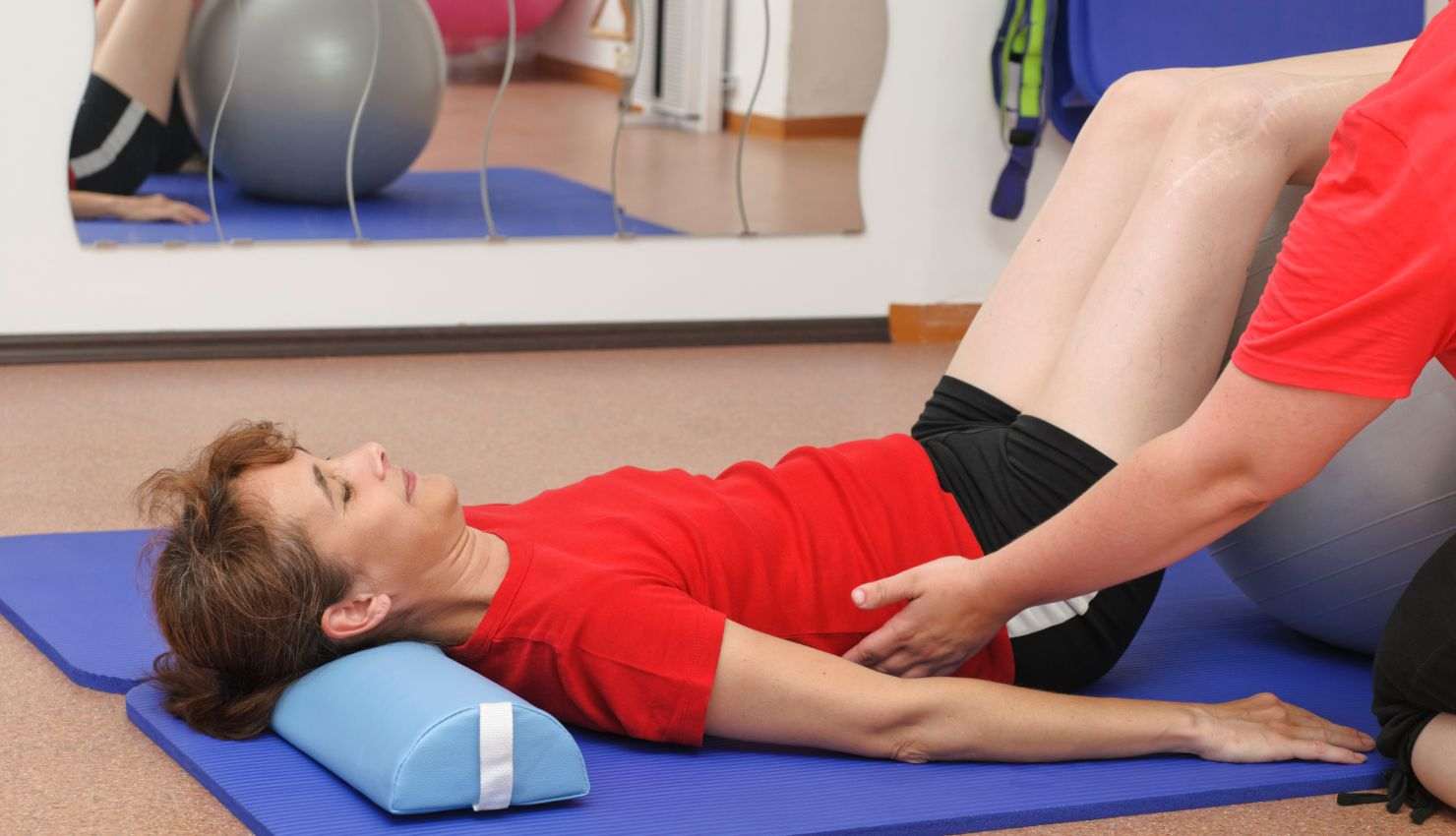
Movement therapy is a science-backed, holistic approach that uses structured, mindful movement to improve the way the body functions. It is especially effective for pain relief and mobility enhancement, helping people manage both acute injuries and chronic conditions while restoring balance, flexibility, and strength. Unlike passive treatments, movement therapy actively engages the bodys natural healing systems, leading to long-term improvements in quality of life.
? What Is Movement Therapy?
Movement therapy refers to guided exercises and practices that improve motor control, joint function, muscle coordination, and neuromuscular balance. It includes techniques from physical therapy, somatic movement, yoga, Pilates, Feldenkrais Method, and functional training. The movements are intentional, restorative, and personalized, making them safe and adaptable for a wide range of individuals and conditions.
?? Key Benefits of Movement Therapy for Pain Relief and Mobility
1. Alleviates Chronic and Acute Pain
Pain is often caused or worsened by restricted movement, muscular imbalances, or faulty biomechanics. Movement therapy:
Reduces tension in tight muscles and fascia
Promotes natural pain modulation through endorphin release
Improves circulation and tissue oxygenation
Desensitizes pain pathways through graded exposure
?? Result: Pain relief without medications or invasive procedures.
2. Enhances Joint and Muscle Mobility
Poor mobility often leads to stiffness, compensation, and further injury. Movement therapy:
Increases joint range of motion through active mobility drills
Releases fascial restrictions and improves glide between tissues
Restores flexibility in a controlled, functional manner
?? Result: More fluid, pain-free movement in daily activities and sports.
3. Improves Posture and Alignment
Misalignment causes muscle overuse, joint strain, and nerve compression. Movement therapy:
Re-educates the bodys natural posture through proprioceptive training
Strengthens postural muscles (core, glutes, scapular stabilizers)
Teaches ergonomic movement strategies
?? Result: Reduced pain in the neck, back, shoulders, and hips.
4. Builds Functional Strength and Stability
Pain often causes compensation and muscle weakness. Movement therapy:
Targets stabilizing muscles often neglected in traditional workouts
Enhances core activation and joint support
Builds strength through low-load, high-awareness exercises
?? Result: Improved control and injury resilience during everyday tasks.
5. Rewires the Brain-Body Connection
Chronic pain alters how the brain interprets movement. Movement therapy:
Uses neuroplasticity to restore normal movement patterns
Improves coordination, timing, and confidence in motion
Combats fear of movement (kinesiophobia)
?? Result: Empowered, pain-free motion and restored autonomy.
6. Supports Recovery from Injury or Surgery
Movement therapy gently guides the body back into motion post-injury. It:
Prevents atrophy and stiffness
Enhances healing through circulation
Rebuilds safe movement mechanics and tissue tolerance
?? Result: Faster recovery and reduced risk of reinjury.
????? Common Movement Therapy Techniques for Pain and Mobility
Technique Purpose Best For
Feldenkrais Method Repatterning movement through gentle exploration Chronic pain, neuro-muscular issues
Somatic Movement Relieving unconscious tension patterns Back pain, emotional stress
Yoga Therapy Improving mobility, breath control, and balance Arthritis, fibromyalgia, general stiffness
Clinical Pilates Enhancing core control and alignment Postural pain, rehab
Dynamic Stretching & Mobility Drills Restoring joint function Sports recovery, aging joints
?? Real-World Applications
Condition Movement Therapy Benefit
Low back pain Improves spinal stability, core strength, and posture
Arthritis Enhances joint lubrication and reduces stiffness
Shoulder impingement Restores scapular rhythm and muscle balance
Knee pain Strengthens hip/knee alignment, improves gait
Neck tension Relieves muscular tightness and improves cervical mobility
Chronic fatigue/fibromyalgia Encourages gentle movement without overload
?? Sample Daily Movement Therapy Routine (1015 minutes)
Cat-Cow Stretch Spine mobility (10 reps)
Standing Hip Circles Hip joint freedom (10 reps each side)
Wall Angels Shoulder posture and thoracic extension (2×10)
Pelvic Tilts or Glute Bridges Core and back activation (2×10)
Heel Raises and Toe Lifts Foot and ankle mobility (3×15)
Breath-Focused Seated Twist Breath and spinal rotation (5 each side)
?? Tips for Getting Started Safely
Start slow and gentle, especially if youre in pain
Choose low-impact movements and build gradually
Focus on form and awareness, not just repetition
Avoid forcing through painadapt and listen to your body
Work with a trained movement therapist or physical therapist if needed