Muscle fatigueoften experienced as a sense of tiredness, heaviness, or reduced strengthc…

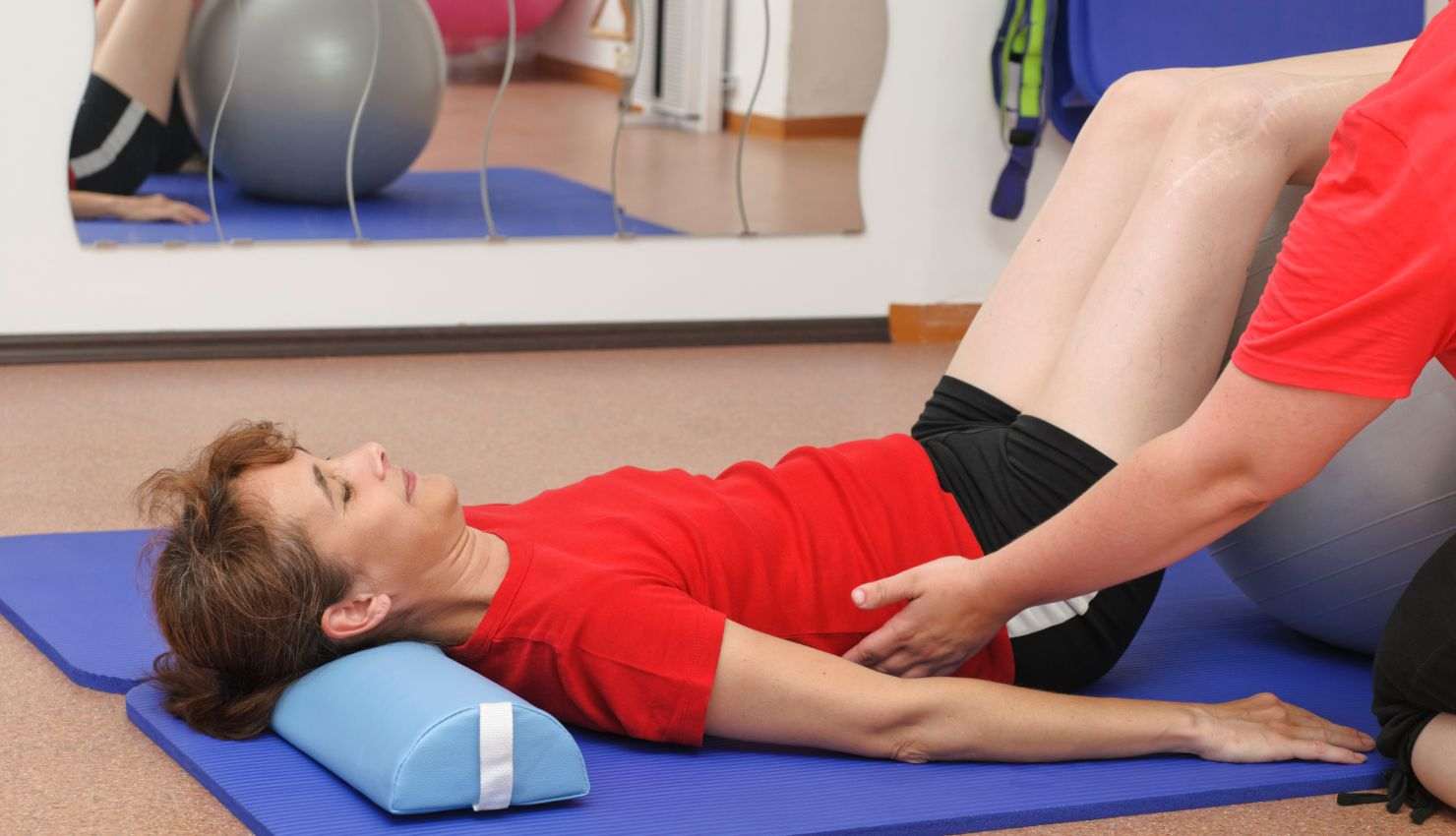
Muscle fatigueoften experienced as a sense of tiredness, heaviness, or reduced strengthcan arise from physical exertion, overtraining, poor circulation, chronic illness, or neuromuscular conditions. Movement therapy provides a structured, restorative approach that helps reduce muscle fatigue by enhancing circulation, improving muscle efficiency, and supporting recovery.
?? What Is Muscle Fatigue?
Muscle fatigue occurs when muscle performance declines due to overuse or strain, and the muscles are no longer able to sustain force or movement. It may be acute (short-term) or chronic (long-lasting) and is often accompanied by:
Weakness or trembling
Slowed movements
Discomfort or tightness
Decreased range of motion
Increased risk of injury
? How Movement Therapy Reduces Muscle Fatigue
Benefit Mechanism
Improves blood flow and oxygenation Light, controlled movement enhances circulation, helping remove metabolic waste
Enhances lymphatic drainage Movement assists fluid exchange, reducing swelling and cellular fatigue
Restores muscle balance Corrects overuse patterns and postural imbalances
Promotes active recovery Gentle motion supports muscle repair without overloading
Regulates nervous system Calms overactive motor units and decreases sympathetic nervous system strain
Improves energy efficiency Trains muscles to work more efficiently through better biomechanics
????? Effective Movement Therapy Techniques
1. Dynamic Stretching
Controlled, low-intensity movements like leg swings or arm circles
Loosens muscles and stimulates blood flow
2. Low-Impact Aerobic Movement
Walking, swimming, or cycling at a conversational pace
Increases circulation and clears fatigue-related byproducts
3. Myofascial Release & Gentle Mobility Work
Foam rolling, mobility drills, or yoga-based stretches
Alleviates tight spots and restores muscle elasticity
4. Breath-Integrated Exercises
Diaphragmatic breathing with movement (e.g., Pilates, yoga)
Promotes parasympathetic activity and oxygen delivery
5. Proprioceptive and Neuromuscular Training
Light balance or coordination exercises
Re-educates motor control to prevent inefficient movements
6. Active Recovery Routines
Movement sessions 2448 hours after intense training
Prevents stiffness and speeds up muscle repair
?? Ideal for People Experiencing:
Post-exercise fatigue or delayed-onset muscle soreness (DOMS)
Chronic fatigue syndrome (CFS/ME)
Fibromyalgia
Neurological fatigue (e.g., post-stroke, MS)
Long hours of sedentary work
Overtraining or sports recovery phases
?? Sample Movement Therapy Routine for Reducing Fatigue
Activity Duration/Reps Purpose
Seated or standing cat-cow 10 slow reps Spinal mobility, breathing focus
Leg swings and arm circles 30 seconds each Dynamic warm-up and circulation
Walking (gentle pace) 1020 minutes Boosts blood flow and lymphatic return
Foam rolling thighs or back 12 minutes Releases tension and restores tissue quality
Supine breathing with knees bent 5 minutes Deep relaxation and oxygenation
?? Safety Tips
Avoid high-intensity movement during acute fatigue
Progress graduallymovement should rejuvenate, not exhaust
Listen to the body: adjust intensity and duration accordingly
Stay hydrated and combine with adequate rest
?? Summary
Movement therapy is a powerful, restorative tool for reducing muscle fatigue. By promoting circulation, supporting recovery, and restoring optimal function, it helps you:
Feel less tired and stiff
Prevent overuse injuries
Recover faster from physical or mental stress
Maintain long-term physical health and energy