Injury recovery can feel like a rollercoasterone day youre feeling better, the next day youre stiff, sore, and wondering if youll ever get back to normal. While rest, rehab, and maybe some ice packs are the usual go-tos, theres one healing tool more people are turning to: acupuncture.

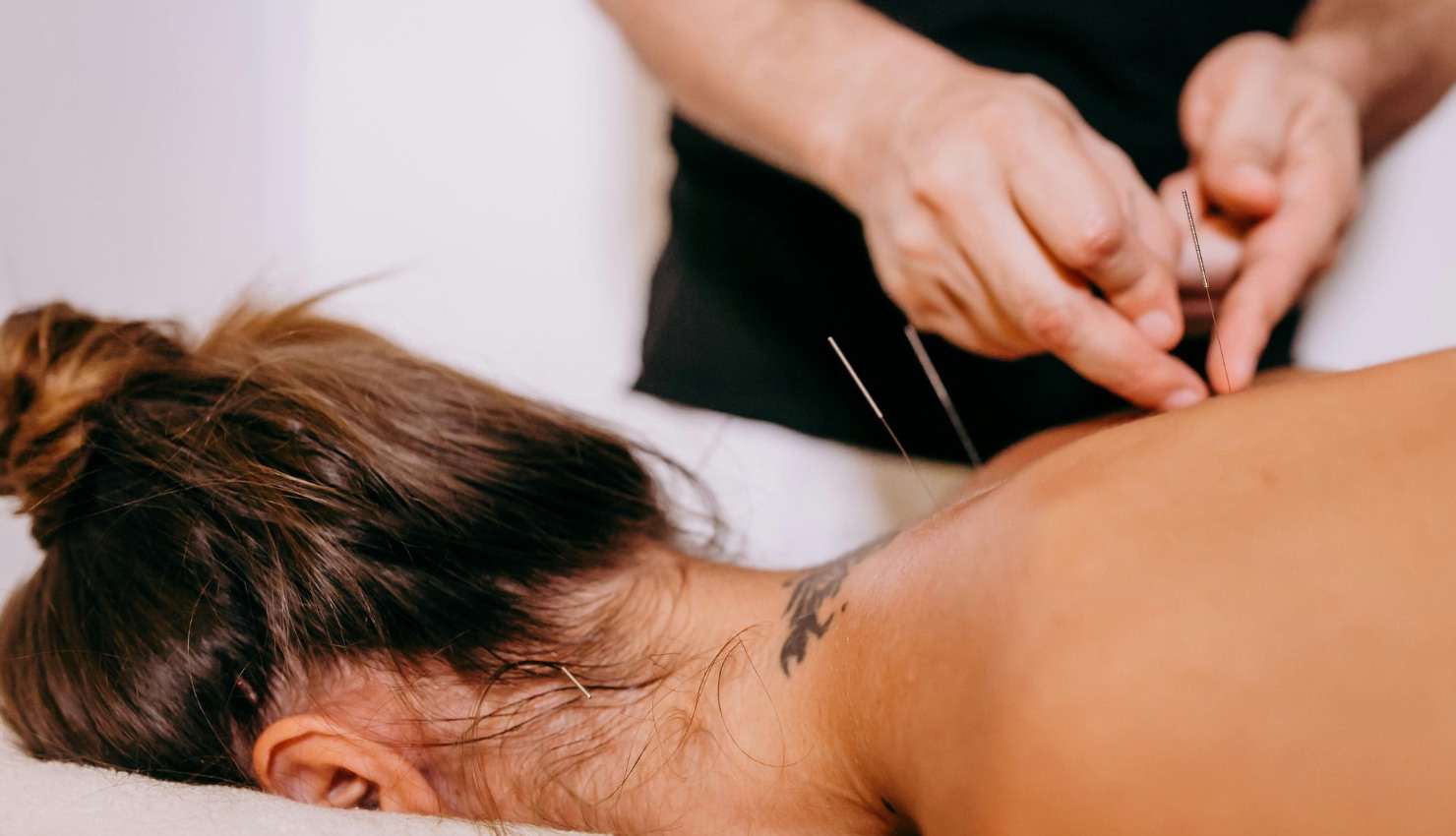
Injury recovery can feel like a rollercoasterone day youre feeling better, the next day youre stiff, sore, and wondering if youll ever get back to normal. While rest, rehab, and maybe some ice packs are the usual go-tos, theres one healing tool more people are turning to: acupuncture.
So, can acupuncture actually speed up your recovery from an injury?
Short answer: Yeswhen done right, acupuncture can be a powerful partner in the healing process. Lets unpack how it works and why so many athletes, weekend warriors, and everyday folks are adding it to their recovery routines.
What Happens to Your Body After an Injury?
Whether youve sprained an ankle, pulled a muscle, or had surgery, your body jumps into action: inflammation kicks in, blood rushes to the area, and your immune system starts working overtime to repair the damage.
But sometimes, things dont go as smoothly. Pain lingers. Swelling sticks around. Muscles stay tight. And the whole healing process can start to feel… slow.
This is where acupuncture steps in to help your body do what its already trying to dojust more efficiently.
How Acupuncture Speeds Up Injury Recovery
Acupuncture may look simple (just a few needles, right?), but what it does under the surface is pretty impressive:
1. Reduces Pain Naturally
Acupuncture helps release endorphinsyour bodys own natural painkillers. It also interrupts pain signals to the brain, helping you feel more comfortable and less reliant on medication.
2. Boosts Blood Flow to the Injured Area
Proper circulation is key for healing. Acupuncture improves local blood flow, delivering oxygen and nutrients that help tissues repair faster.
3. Eases Muscle Tension and Spasms
After an injury, muscles around the damaged area often tighten up protectively. Acupuncture helps those muscles relax, which improves your range of motion and reduces discomfort during physiotherapy or movement.
4. Reduces Swelling and Inflammation
Many injuries come with swellingand while its part of the healing process, too much can slow things down. Acupuncture helps clear out excess fluid and calm the bodys inflammatory response.
5. Activates the Nervous System
By stimulating specific points, acupuncture wakes up the nervous system, helping the brain reconnect with the injured area. This is especially helpful in cases of nerve damage, numbness, or post-surgical recovery.
Common Injuries That Respond Well to Acupuncture
Acupuncture can be a game-changer for a wide range of injuries, including:
Sprains and strains
Muscle tears
Tendonitis (like tennis elbow or Achilles tendonitis)
Rotator cuff injuries
Plantar fasciitis
Joint injuries (knees, ankles, wrists)
Post-surgical recovery (especially after orthopedic procedures)
Even chronic injuriesthe ones that just wont go awaycan respond well to acupuncture when combined with a solid rehab plan.
When Should You Start Acupuncture After an Injury?
The great thing about acupuncture is that it can be helpful at any stage of recovery:
In the early phase, it helps manage pain and control inflammation.
Midway through rehab, it improves flexibility, circulation, and muscle responsiveness.
In the later phase, it supports tissue repair and helps prevent re-injury.
Always check with your physiotherapist, orthopedist, or primary care provider to make sure its appropriate for your specific injury.
Final Thoughts: Natural Healing, Backed by Science
Acupuncture might seem simple, but the science behind itand the results people experienceare anything but. If you’re looking for a gentle, drug-free way to recover faster, feel stronger, and get back to doing what you love, acupuncture could be just what your body needs.
It’s not about replacing conventional treatmentits about enhancing it. Think of acupuncture as a trusted teammate on your road to recovery.
Want this turned into a service page, brochure copy, or patient FAQ? Let me know how youd like to use it, and Ill tailor it to suit!
You said:
The Benefits of Natural Healing in Physiotherapy
ChatGPT said:
Absolutely! Here’s a friendly, informative, and conversational piece titled “The Benefits of Natural Healing in Physiotherapy”perfect for a clinic website, wellness blog, or patient resource handout.
The Benefits of Natural Healing in Physiotherapy
When you think of physiotherapy, what comes to mind? Exercises? Stretching? Maybe some heat packs or ultrasound therapy? All great toolsbut heres something even more exciting: natural healing techniques are becoming an increasingly powerful part of physiotherapy, and theyre changing the way people recover.
Why? Because your body has an incredible ability to heal itselfwhen its given the right support. Natural healing in physiotherapy taps into that potential, helping you recover faster, feel better, and avoid unnecessary medications or invasive procedures.
Lets explore how it worksand why its gaining so much attention.
What Do We Mean by Natural Healing?
Natural healing doesnt mean ignoring science or skipping therapy. It means supporting the bodys own healing mechanisms using gentle, non-invasive, and holistic methods. In the physiotherapy world, this can include:
Acupuncture
Manual therapy and soft tissue mobilization
Dry needling
Ayurvedic support (like massage and herbal remedies)
Heat and cold therapy
Breathwork and mindfulness
Nutrition and lifestyle guidance
Movement-based rehabilitation tailored to your unique body
All of these techniques focus on restoring balance, reducing inflammation, and encouraging the body to do what it does bestheal.
Why Go Natural in Your Healing Journey?
1. Fewer Side Effects, More Comfort
Pain medications can come with unwanted side effectsdrowsiness, stomach upset, dependency risks. Natural healing techniques like acupuncture, massage, or herbal therapy work with your body, not against it, providing relief without the pharmaceutical baggage.
2. Reduces Inflammation at the Source
Many injuries and chronic conditions boil down to inflammation. Natural healing methodsespecially when combined with physiotherapyhelp reduce swelling and promote proper circulation so tissues can recover more efficiently.
3. Improves Long-Term Outcomes
Natural healing isnt about a quick fixits about lasting results. When your body heals properly, you’re less likely to experience recurring injuries or flare-ups.
4. Supports the Whole Person
Lets face ithealing isnt just physical. Pain, injury, and limited mobility can affect your mood, sleep, stress levels, and more. Natural approaches like breathwork, mindfulness, or Ayurvedic practices help calm your nervous system and restore emotional balance, too.
5. Empowers You in Your Recovery
One of the most beautiful parts of natural healing is that you are an active participant. Its not just about receiving treatmentits about learning how to support your body through better habits, movements, and self-care techniques.
Real-Life Benefits for Common Conditions
Natural healing techniques in physiotherapy are especially effective for:
Chronic back and neck pain
Joint issues (knee, hip, shoulder)
Arthritis and inflammatory conditions
Soft tissue injuries and muscle strains
Post-surgery rehabilitation
Stress-related muscle tension and fatigue
Even for athletes or active individuals, natural healing can aid in injury prevention, faster recovery, and peak performance.
How to Start Integrating Natural Healing into Your Physio Plan
The best part? You dont have to choose between conventional therapy and natural approaches. A skilled physiotherapist can blend both worlds, creating a customized treatment plan that aligns with your bodys needs and healing style.
Ask your therapist about:
Adding acupuncture or dry needling to your sessions
Exploring natural anti-inflammatory options (like turmeric or magnesium)
Breath training to reduce tension and pain
Gentle yoga or stretching to complement your rehab
Ayurvedic support for digestion, sleep, and energy
Final Thoughts: Let Your Body Lead the Way
Your body is incredibly wiseit knows how to heal. Sometimes it just needs a little nudge in the right direction. Natural healing in physiotherapy is about honoring that wisdom, using gentle but effective tools to help you recover in a way that feels safe, sustainable, and truly holistic.
So if youre ready to healnot just faster, but betternatural healing might just be the missing piece in your recovery puzzle.