The Benefits of Osteopathy for Healthy Spine and Joint Health explores targeted strategies for recovery. Discover new paths to mobility, healing, and personalized care.

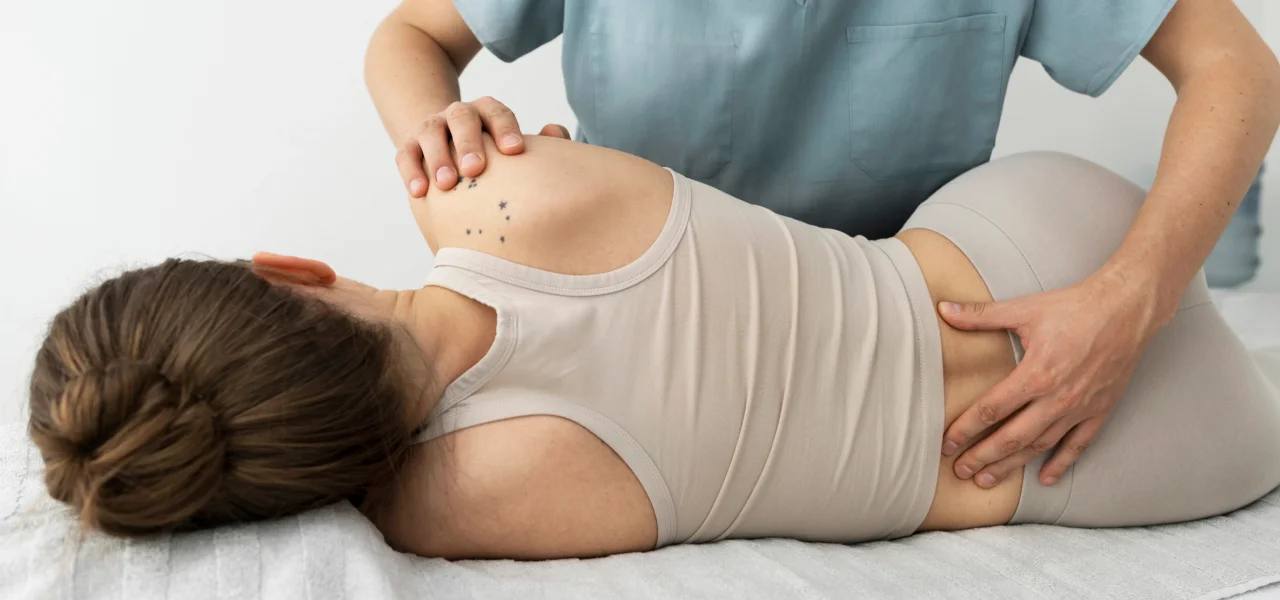
Osteopathy is a holistic healthcare approach that emphasizes the interrelationship between the bodys structure and function. By focusing on the musculoskeletal system, osteopathy uses hands-on techniques to diagnose, treat, and prevent conditions that affect the spine and joints. It aims to restore balance, enhance movement, and promote the bodys natural healing processes. When it comes to spine health and joint health, osteopathy provides numerous benefits by improving alignment, reducing pain, increasing mobility, and preventing future issues.
Heres a closer look at how osteopathy supports healthy spine and joint health:
1. Restoring Proper Spinal Alignment
The spine is a central component of the bodys structure, providing support, balance, and movement. Misalignments or subluxations in the spine can lead to a range of problems, including pain, stiffness, and limited mobility. Osteopaths use spinal manipulation techniques to restore proper alignment and alleviate discomfort.
Spinal manipulation involves the gentle adjustment of the vertebrae to improve alignment, reduce pressure on nerves, and restore balance to the musculoskeletal system. This adjustment can help relieve pain in the neck, back, and shoulders, which is commonly caused by spinal misalignments.
Joint mobilization is another osteopathic technique that helps restore movement to restricted or stiff spinal joints, improving flexibility and reducing pain.
By realigning the spine, osteopathy helps restore the bodys natural function and promotes better overall health, preventing the development of long-term musculoskeletal problems.
2. Enhancing Joint Mobility and Reducing Stiffness
Joint stiffness, particularly in the spine, hips, knees, and shoulders, can limit movement and cause discomfort. Osteopathy improves joint mobility by using hands-on techniques to increase range of motion, release restrictions, and reduce inflammation.
Joint mobilization techniques are used to improve the mobility of stiff or restricted joints. By applying controlled, gentle pressure to the joints, osteopaths increase the range of motion and promote better fluidity of movement.
Myofascial release and soft tissue therapy target the fascia (the connective tissue around muscles and joints) to reduce tightness and improve flexibility. These techniques help release tension, reducing stiffness in the muscles and joints, which enhances movement.
Improved joint mobility not only helps reduce pain but also improves functional movement, making it easier to perform daily activities and reducing the risk of future injury.
3. Reducing Pain and Inflammation in the Spine and Joints
Chronic pain, especially in the spine and joints, can arise from misalignments, muscle imbalances, or inflammation. Osteopathy helps alleviate pain by addressing the root causes of discomfort and promoting healing in the affected areas.
Spinal manipulation and joint mobilization help reduce pain by realigning the spine and improving the function of the joints, relieving pressure on nerves, and reducing muscle strain. These techniques can help treat conditions like sciatica, degenerative disc disease, and joint arthritis.
Cranial-sacral therapy and lymphatic drainage techniques used in osteopathy can help reduce inflammation and improve circulation to the tissues, supporting the bodys healing processes. These therapies promote relaxation, reduce swelling, and help alleviate chronic pain in the joints and spine.
By reducing pain and inflammation, osteopathy allows individuals to move more freely and comfortably, improving their overall quality of life.
4. Promoting Healthy Posture and Preventing Joint Degeneration
Poor posture can contribute to spinal misalignments, muscle imbalances, and long-term joint issues. Osteopathy helps restore proper posture, which not only reduces pain but also prevents joint degeneration and promotes joint health.
Osteopaths assess the bodys posture and identify areas of misalignment or imbalance. They use manual techniques to correct these imbalances, realigning the spine, pelvis, and joints for better posture and reduced strain.
Postural education is also an integral part of osteopathic treatment. By teaching individuals how to sit, stand, and move with proper alignment, osteopaths help prevent unnecessary stress on the spine and joints, reducing the risk of joint degeneration, particularly in weight-bearing joints like the hips, knees, and lower back.
Improved posture ensures that the bodys joints are not overworked and are able to move more freely and without discomfort, promoting long-term joint health.
5. Strengthening Muscles to Support Joint Function
Muscle weakness or imbalances around the joints can contribute to poor posture, misalignment, and joint pain. Osteopathy addresses these issues by strengthening muscles and improving muscle function, which provides better support for the joints and spine.
Osteopaths may use muscle energy techniques to stretch and strengthen specific muscles that support the spine and joints. These techniques activate muscles that are underactive or weak, while also releasing tight, overactive muscles.
Functional exercises may be recommended to build strength, flexibility, and endurance in the muscles surrounding the spine and joints. Strong muscles help stabilize the joints, reducing the risk of injury and promoting better overall mobility.
By improving muscle strength and coordination, osteopathy supports joint stability, reduces strain, and improves the bodys overall function.
6. Enhancing Circulation and Tissue Health
Healthy circulation is essential for delivering oxygen and nutrients to the joints and muscles, which supports their function and healing. Poor circulation can contribute to muscle stiffness, joint pain, and slower recovery from injuries. Osteopathy helps improve circulation throughout the body, promoting joint health and tissue healing.
Manual therapy techniques used in osteopathy, such as lymphatic drainage and soft tissue mobilization, stimulate blood flow and help clear waste products from the tissues. This improves the health of the muscles, fascia, and joints, reducing inflammation and promoting healing.
Joint mobilization and spinal manipulation also improve circulation to the affected areas by increasing the mobility of the joints and reducing restrictions in the fascia.
By enhancing circulation, osteopathy ensures that the bodys joints and tissues receive the nutrients they need to stay healthy, which supports overall joint function and flexibility.
7. Preventing Future Injury and Joint Problems
Osteopathy is not only about treating current pain but also about preventing future injury and promoting long-term joint health. Through regular osteopathic treatments, individuals can maintain proper alignment, reduce muscle imbalances, and ensure that the body moves efficiently and without strain.
Preventive care in osteopathy involves identifying areas of tension, misalignment, or weakness and addressing them before they become chronic issues. This proactive approach helps individuals maintain healthy joints and spine, reducing the likelihood of developing conditions such as arthritis, sciatica, or spinal stenosis.
Movement education is also provided to help individuals maintain proper body mechanics and avoid repetitive stress on the joints. This helps reduce the risk of injury from activities like lifting, sitting for long periods, or participating in sports.
By providing ongoing care and preventive strategies, osteopathy helps maintain spinal health and joint function over the long term.
Conclusion: Osteopathy for Spine and Joint Health
Osteopathy offers a comprehensive and holistic approach to spinal health and joint health. Through techniques like spinal manipulation, joint mobilization, myofascial release, and muscle strengthening, osteopathy helps improve alignment, reduce pain, enhance mobility, and prevent future issues. By addressing the root causes of discomfort and promoting proper posture, muscle function, and circulation, osteopathy ensures that the spine and joints remain healthy and function optimally.