The Benefits of Physiotherapy for Dance Students and Performers explores targeted strategies for recovery. Discover new paths to mobility, healing, and personalized care.

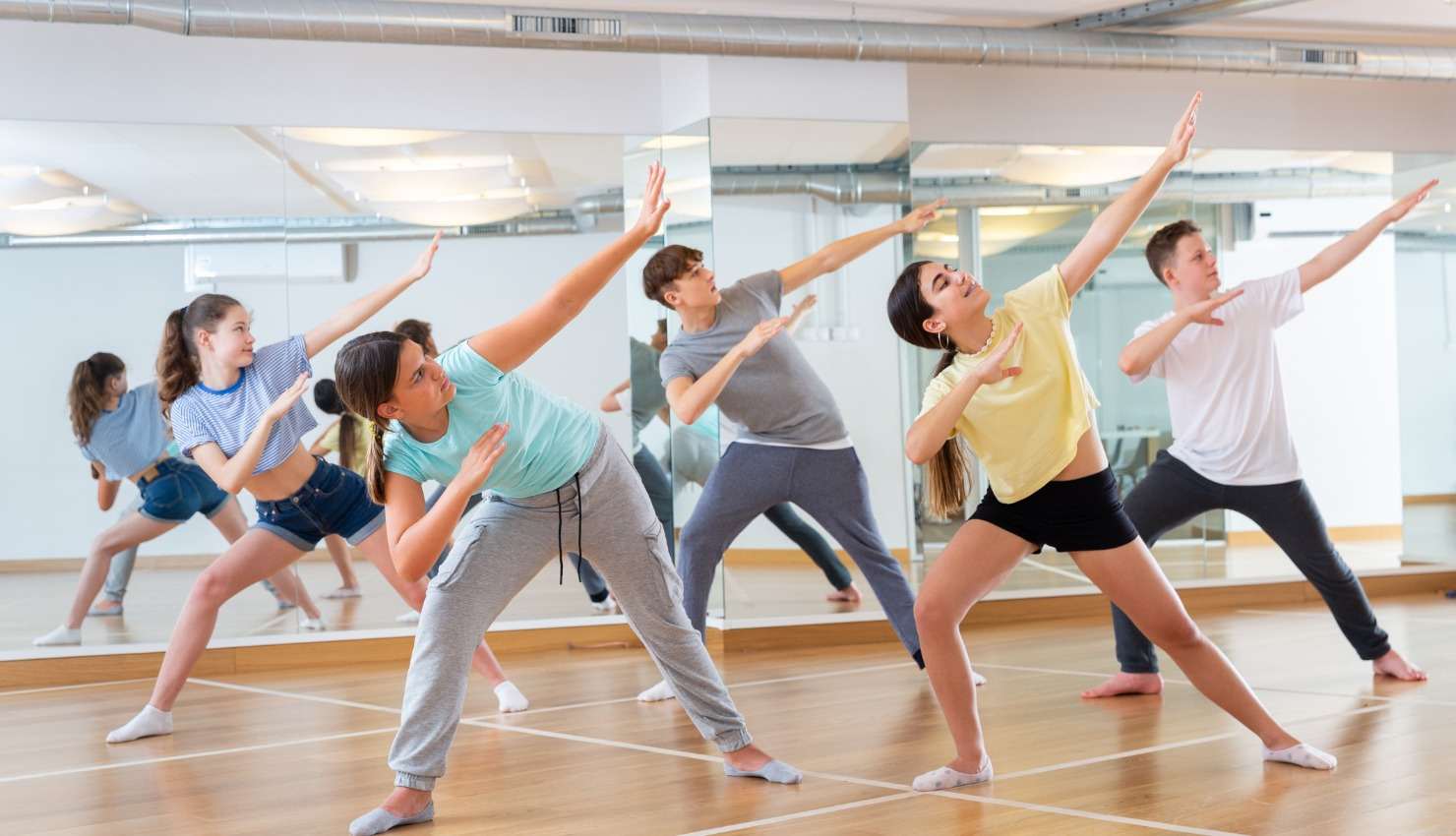
As a dancer, whether you’re a student starting your journey or a seasoned professional, your body is your primary instrument. Constant training, rehearsals, and performances demand a high level of physicality and endurance, which often results in strain and injury. That’s where physiotherapy comes in. Physiotherapy offers numerous benefits for dancers, from injury prevention to improving overall performance. In this blog, well explore how physiotherapy plays a crucial role in enhancing the well-being and success of dance students and performers.
What is Physiotherapy and Why Is It Important for Dancers?
Physiotherapy is a healthcare profession that focuses on restoring and maintaining the physical well-being of individuals through physical movement and exercise. For dancers, physiotherapists are trained to understand the biomechanics of dance and how repetitive motions can affect the body. Through targeted treatments, physiotherapists work with dancers to prevent injuries, rehabilitate existing ones, and enhance their performance by improving strength, flexibility, and coordination.
The repetitive movements in dance, such as jumping, spinning, and stretching, can lead to overuse injuries and strains. Physiotherapists are experts in identifying these risk factors early on, helping dancers avoid serious injuries that could sideline their careers. Moreover, physiotherapists tailor exercises and therapies to the dancers specific needs, ensuring that they remain healthy and continue to excel in their craft.
Injury Prevention
One of the greatest benefits of physiotherapy for dancers is injury prevention. Dance is a high-impact activity, and dancers are at a higher risk for injuries such as sprains, strains, tendinitis, and fractures. Physiotherapists perform comprehensive assessments to evaluate a dancer’s posture, alignment, and movement patterns. By doing so, they can detect potential weaknesses or imbalances in the body that may predispose the dancer to injury.
For instance, physiotherapists can recommend exercises that strengthen specific muscles, improve flexibility, and increase joint stability. By addressing these issues proactively, dancers can reduce their risk of developing injuries during both practice and performance. They also educate dancers on proper warm-up and cool-down techniques, which are crucial for maintaining joint health and muscle flexibility.
Speeding Up Recovery
When injuries do occur, physiotherapy can play a key role in speeding up recovery. Instead of relying solely on rest, physiotherapy incorporates a combination of exercises, manual therapy, and modalities (such as ultrasound or heat therapy) to reduce pain, swelling, and muscle tightness. Physiotherapists guide dancers through rehabilitation exercises designed to restore strength, range of motion, and flexibility after an injury.
The recovery process is more efficient when physiotherapists work with dancers to create a personalized rehabilitation plan. This ensures that the recovery process is done at the right pace, preventing re-injury while ensuring dancers return to the stage as quickly and safely as possible.
Enhancing Performance and Endurance
Physiotherapy not only helps with injury prevention and recovery but also enhances a dancer’s overall performance. Dance demands endurance, strength, flexibility, and coordination, all of which can be improved through physiotherapy. Physiotherapists use techniques such as proprioceptive neuromuscular facilitation (PNF) stretching and strength training exercises to improve a dancers mobility and overall movement quality.
By targeting specific muscle groups used in dance, physiotherapists help dancers develop the strength and endurance needed for longer rehearsals and performances. They also work on improving posture and alignment, which are essential for executing dance movements with precision and grace.
Preventing Long-Term Joint Damage
Dancers are often prone to joint issues, particularly in the knees, hips, and ankles, due to the high-impact nature of the activity. Physiotherapy can help prevent long-term damage to these joints by focusing on proper alignment, flexibility, and strengthening exercises. Over time, improper movement patterns or muscle imbalances can lead to chronic pain or degenerative conditions such as arthritis.
Through physiotherapy, dancers can learn techniques to protect their joints during performance, such as proper landing techniques after jumps or correct alignment during floor work. This preventative approach not only helps dancers stay injury-free in the short term but also supports their long-term joint health.
Mental Benefits of Physiotherapy for Dancers
The mental benefits of physiotherapy are often overlooked, but they are just as important as the physical advantages. Dancers who are able to stay injury-free or recover faster from injuries experience less anxiety about their performance, which can enhance their confidence and focus. Physiotherapists also teach dancers mental techniques such as mindfulness or relaxation exercises that help them manage stress, improve concentration, and stay calm under pressure.
This mental strength is essential for dancers who face the physical and emotional challenges of long hours of practice, performance pressure, and the need for perfection.
Conclusion
Physiotherapy is an invaluable tool for dance students and professional performers alike. It helps dancers prevent injuries, recover from existing ones, and improve their overall performance and endurance. By incorporating physiotherapy into their training regimen, dancers can maintain a healthy body, enhance their skills, and extend their careers.
If youre a dancer looking to enhance your performance and stay injury-free, consider working with a physiotherapist who specializes in dance. With the right care, you can keep your body in top condition and achieve your dance goals without the setbacks of injury.