Chronic pain is a common issue for the elderly, often resulting from conditions such as arthritis, osteoporosis, musculoskeletal injuries, or post-surgery recovery. While medications may be used to manage pain, physiotherapy offers a non-invasive and holistic approach to address chronic pain in older adults.

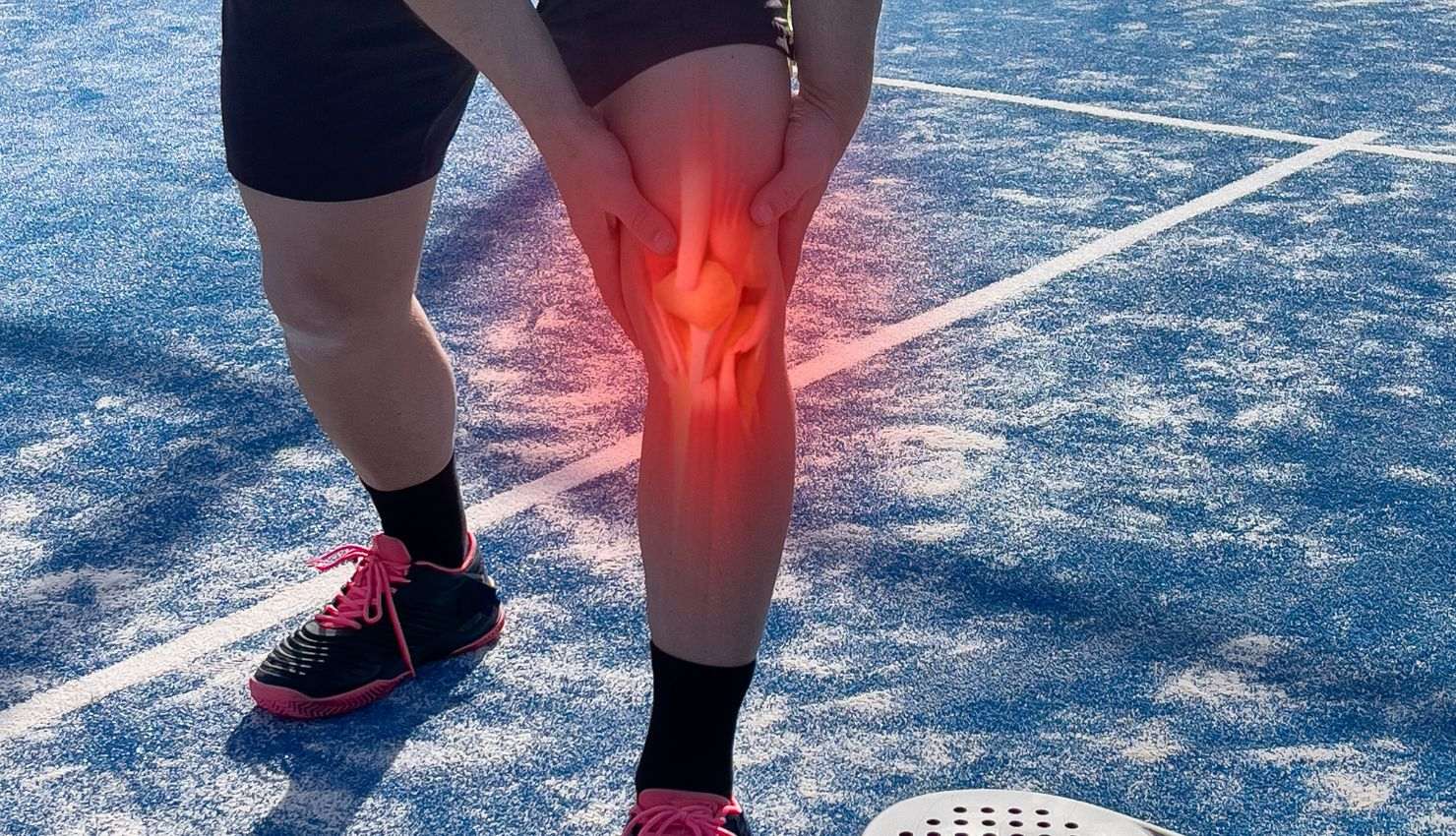
Chronic pain is a common issue for the elderly, often resulting from conditions such as arthritis, osteoporosis, musculoskeletal injuries, or post-surgery recovery. While medications may be used to manage pain, physiotherapy offers a non-invasive and holistic approach to address chronic pain in older adults. Physiotherapy helps enhance mobility, strengthen muscles, improve quality of life, and minimize the reliance on pain medications, which can have undesirable side effects. Below are the key benefits of physiotherapy for managing chronic pain in the elderly:
### 1. **Improved Mobility and Flexibility**
One of the most significant benefits of physiotherapy is its ability to improve joint flexibility and muscle mobility, which are often diminished due to chronic pain in the elderly.
* **How it works**: Physiotherapists use stretching exercises, joint mobilizations, and range-of-motion exercises to increase the flexibility of muscles and joints.
* **Benefits**: These exercises help the elderly move more freely and reduce stiffness in the joints, enabling them to perform daily activities with greater ease and independence. This is particularly important for conditions like osteoarthritis or rheumatoid arthritis, where stiffness can significantly impact mobility.
### 2. **Pain Relief through Targeted Exercises**
Chronic pain in the elderly is often caused or exacerbated by muscle weakness, poor posture, and inactivity. Physiotherapists develop individualized exercise programs aimed at strengthening the muscles around painful joints and improving overall body mechanics.
* **How it works**: Strengthening exercises are designed to rebuild muscle strength and support joints, thereby reducing the load on the affected area.
* **Benefits**: This leads to better joint stability, less pain, and improved movement. Stronger muscles can act as shock absorbers, reducing the strain on the joints and alleviating pain from conditions such as hip, knee, or back pain.
### 3. **Posture Correction and Fall Prevention**
Many elderly individuals experience chronic pain due to poor posture, which can lead to additional musculoskeletal issues and increase the risk of falls.
* **How it works**: Physiotherapists assess and correct postural imbalances through tailored exercises that focus on strengthening postural muscles and improving alignment.
* **Benefits**: Proper posture reduces the strain on the spine, hips, and knees, which helps prevent further injury and discomfort. Additionally, correcting posture can improve balance, making it easier for the elderly to stand and move without pain. This leads to a lower risk of falls and fractures, which are common in older adults.
### 4. **Reduction of Medication Reliance**
The elderly are often prescribed pain medications to manage chronic pain, but long-term use of painkillers can lead to side effects such as dizziness, gastrointestinal issues, or dependency.
* **How it works**: Physiotherapy focuses on natural, drug-free pain relief through therapeutic exercises, manual therapy, heat and cold treatments, and electrotherapy.
* **Benefits**: With consistent physiotherapy, many elderly individuals can reduce their reliance on pain medications, which minimizes the risk of negative side effects while improving overall well-being. The use of physiotherapy methods like TENS (Transcutaneous Electrical Nerve Stimulation) and massage therapy can effectively manage pain without the need for constant medication.
### 5. **Improved Circulation and Blood Flow**
Inactivity and chronic pain often lead to poor circulation, particularly in the lower limbs, which can exacerbate pain and lead to complications such as swelling, varicose veins, or deep vein thrombosis (DVT).
* **How it works**: Physiotherapists design exercises that promote circulation, such as walking programs, leg exercises, and gentle stretches.
* **Benefits**: Improved circulation helps deliver oxygen and nutrients to tissues, speeding up the healing process and reducing inflammation. It also prevents conditions like blood clots and edema (swelling), which are common concerns in the elderly.
### 6. **Improved Balance and Coordination**
Chronic pain and weakness can severely affect balance and coordination, leading to a higher risk of falls and injuries. Physiotherapy focuses on strengthening the muscles responsible for balance, such as the core, legs, and ankles.
* **How it works**: Balance training exercises, along with strength-building activities, help enhance proprioception (the sense of body position) and coordination.
* **Benefits**: By improving balance and coordination, elderly individuals can reduce the likelihood of falls and injuries, which is particularly important when dealing with conditions like Parkinsons disease or post-stroke recovery, where balance issues are prevalent.
### 7. **Personalized Treatment Plans**
Physiotherapists tailor treatment plans based on the individuals specific needs, abilities, and pain levels. Whether dealing with arthritis, post-surgical recovery, or spinal issues, physiotherapists use a holistic approach to address the underlying causes of chronic pain.
* **How it works**: Physiotherapists assess the patients condition, medical history, and lifestyle to create a customized treatment plan that may include stretching, strengthening, manual therapy, electrotherapy, and advice on activity modifications.
* **Benefits**: A personalized approach ensures that the treatment is effective, safe, and comfortable for the elderly, helping them manage pain and regain their independence. It also provides a structured plan for gradual recovery.
### 8. **Mental and Emotional Well-Being**
Chronic pain often has a significant impact on mental and emotional health, leading to conditions such as depression, anxiety, or feelings of isolation. The physical benefits of physiotherapy can positively affect mental well-being as well.
* **How it works**: By improving mobility, reducing pain, and increasing independence, physiotherapy can help improve mood and reduce feelings of helplessness or frustration.
* **Benefits**: As pain decreases and mobility improves, elderly individuals may experience a greater sense of empowerment and mental well-being. Increased physical activity also helps release endorphins (the body’s natural mood enhancers), contributing to improved emotional health.
### 9. **Long-Term Benefits and Prevention of Further Injury**
Physiotherapy not only addresses current pain but also focuses on long-term prevention by addressing the root causes of pain and promoting healthy movement patterns.
* **How it works**: Physiotherapists educate patients on how to prevent injury, maintain a healthy weight, and avoid movements that could exacerbate pain or lead to new injuries.
* **Benefits**: The elderly are empowered with tools and techniques to maintain their health, reduce the risk of future pain, and avoid the development of other musculoskeletal conditions. This proactive approach can improve the quality of life and allow for greater independence as they age.
### 10. **Education on Self-Care and Lifestyle Changes**
In addition to hands-on treatment, physiotherapists educate elderly individuals about self-care practices and lifestyle modifications to manage chronic pain effectively.
* **How it works**: Physiotherapists provide guidance on joint protection techniques, proper ergonomics for daily activities, the importance of stretching, and how to pace activities to avoid overexertion.
* **Benefits**: Educating elderly individuals on self-care allows them to take control of their own health and pain management, leading to fewer flare-ups and a more active lifestyle. It helps them engage in daily tasks with less pain and greater ease.
### Conclusion
Physiotherapy offers a range of benefits for managing chronic pain in the elderly. From improving mobility and flexibility to reducing pain and preventing further injury, physiotherapy provides a holistic, non-invasive approach to managing pain. By focusing on strength, balance, postural correction, and individualized treatment, physiotherapists help elderly individuals regain their independence and improve their overall quality of life. It also reduces the reliance on pain medications, promoting long-term health and well-being. If you or a loved one are dealing with chronic pain, consulting a physiotherapist can be a crucial step toward recovery and enhanced daily living.