The Benefits of Post-Surgical Rehabilitation for Shoulder Surgery Recovery explores targeted strategies for recovery. Discover new paths to mobility, healing, and personalized care.

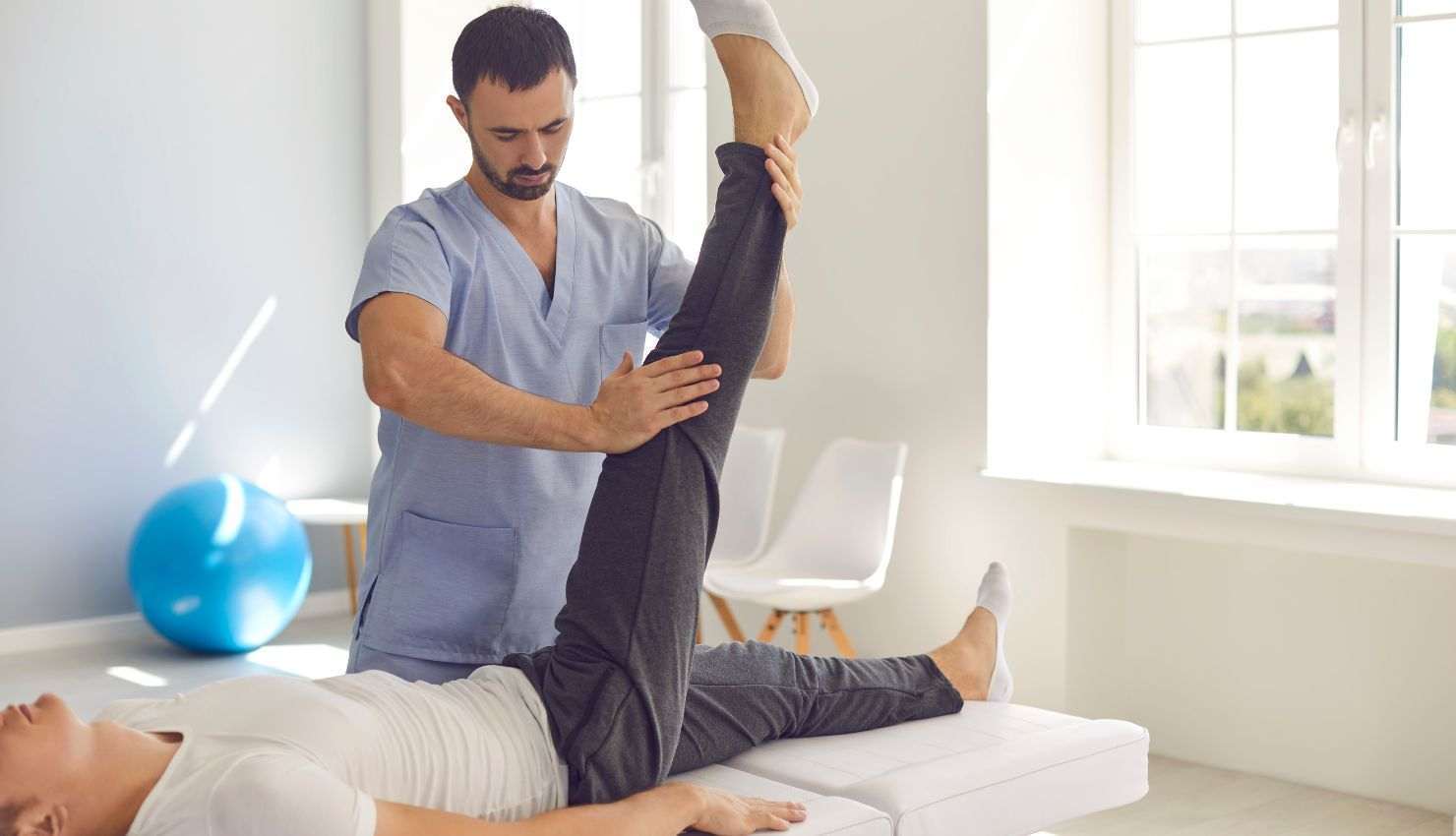
Undergoing shoulder surgery, whether its for a rotator cuff tear, shoulder replacement, or labral repair, marks the beginning of a critical phase in your recovery journey. While the surgical procedure addresses the root problem, its the post-surgical rehabilitation that truly helps restore function, strength, and range of motion to your shoulder. In fact, without proper rehab, your surgical success might be limited, with prolonged pain, stiffness, or reduced mobility.
If you or a loved one is facing shoulder surgery, its important to understand the key benefits of post-surgical rehabilitation and how it accelerates recovery for optimal results.
Why Is Post-Surgical Rehab Crucial After Shoulder Surgery?
The shoulder is a complex joint, combining bones, muscles, tendons, and ligaments to allow a wide range of motion. After surgery, these tissues need time to heal, but they also need targeted rehabilitation to regain their strength and flexibility.
Post-surgical rehabilitation helps by:
Reducing pain and inflammation through gentle movement and manual therapy
Preventing stiffness and frozen shoulder, a common complication if the joint is immobilized too long
Restoring the full range of motion gradually and safely
Rebuilding muscle strength and endurance to support the joint
Improving coordination and functional use of the shoulder in daily activities
Without rehab, patients may face prolonged recovery or permanent limitations.
When Does Post-Surgical Rehab Start?
Depending on the type of shoulder surgery, rehab usually starts within a few days to weeks post-operation. Initially, the focus is on protecting the repair and reducing pain. Immobilization with a sling is common in the first phase, but passive range-of-motion exercises often begin early under professional supervision.
Your physiotherapist will guide you through a tailored plan, ensuring each stage promotes healing while preventing injury.
Key Benefits of Post-Surgical Shoulder Rehab
1. Controlled Healing with Reduced Complications
Early rehab helps control swelling and inflammation, which reduces pain and speeds up healing. Passive movements guided by a therapist prevent stiffness without risking the surgical repair.
2. Gradual Restoration of Mobility
Gentle stretching and range-of-motion exercises reintroduce movement to the shoulder joint. This prevents adhesions (scar tissue buildup) that can limit motion and cause a frozen shoulder condition.
3. Strengthening Muscles Around the Shoulder
After surgery, the muscles that support and stabilize the shoulder weaken due to immobilization and the surgical trauma itself. Rehab includes progressive strengthening exercises for the rotator cuff and scapular muscles to regain stability and function.
4. Improved Function for Daily Activities
Post-surgical rehab aims to help you return to everyday activities such as dressing, grooming, and lifting objects without pain or limitation. Functional training tailored to your lifestyle ensures you regain independence safely.
5. Prevention of Long-Term Joint Issues
By rebuilding strength and improving joint mechanics, rehab reduces the risk of arthritis and re-injury in the shoulder down the road.
Typical Phases of Shoulder Post-Surgical Rehab
The rehab process is generally divided into phases, each with specific goals:
Phase 1: Protection and Pain Management (0-6 weeks)
Immobilization with a sling
Passive range-of-motion exercises (therapist-assisted)
Pain control techniques like ice and gentle massage
Phase 2: Active Motion and Early Strengthening (6-12 weeks)
Active range-of-motion exercises
Isometric strengthening (muscle contractions without joint movement)
Scapular stabilization exercises
Phase 3: Advanced Strengthening and Functional Training (3-6 months)
Resistance exercises using bands or light weights
Proprioception and coordination drills
Gradual return to sport or work-specific tasks
Common Physiotherapy Exercises After Shoulder Surgery
Your physiotherapist will customize exercises, but some common examples include:
Pendulum swings: Gentle movement of the arm hanging to improve circulation and mobility.
Passive external rotation: Therapist moves your arm gently to improve rotation without muscle activation.
Isometric shoulder presses: Contracting shoulder muscles without moving the joint to build strength safely.
Scapular retractions: Pulling shoulder blades together to strengthen supporting muscles.
Theraband rows and presses: Resistance exercises to rebuild muscle tone.
How to Maximize Recovery with Post-Surgical Rehab
Recovery is a team effort involving your surgeon, physiotherapist, and your own commitment. Here are some tips to maximize your rehab benefits:
Stick to your rehab schedule: Consistency in therapy and home exercises is essential.
Communicate openly: Report any unusual pain, swelling, or limitations to your therapist immediately.
Follow precautions: Avoid movements or activities that could stress the healing tissues prematurely.
Maintain good posture: Proper posture reduces stress on the shoulder joint during recovery.
Practice patience: Healing takes time, and pushing too hard can set back progress.
What to Expect Long Term
With diligent rehab, most patients regain near-normal function within 4 to 6 months, although complete healing can take up to a year depending on the surgery type and individual factors. Many return to work, sports, and hobbies pain-free and with improved shoulder strength.
In summary, post-surgical rehabilitation is a vital component of shoulder surgery recovery. It not only reduces pain and swelling but also restores mobility, strengthens muscles, and improves overall shoulder function. Embracing rehab with dedication will help you achieve the best possible outcome and get back to enjoying your daily life with confidence.