Postpartum recovery is more than simply resting and waiting for the body to heal. After childbirth, a womans bodyespecially the pelvic floorundergoes significant stress, and without proper care, this can lead to long-term issues like incontinence, pelvic pain, and organ prolapse.

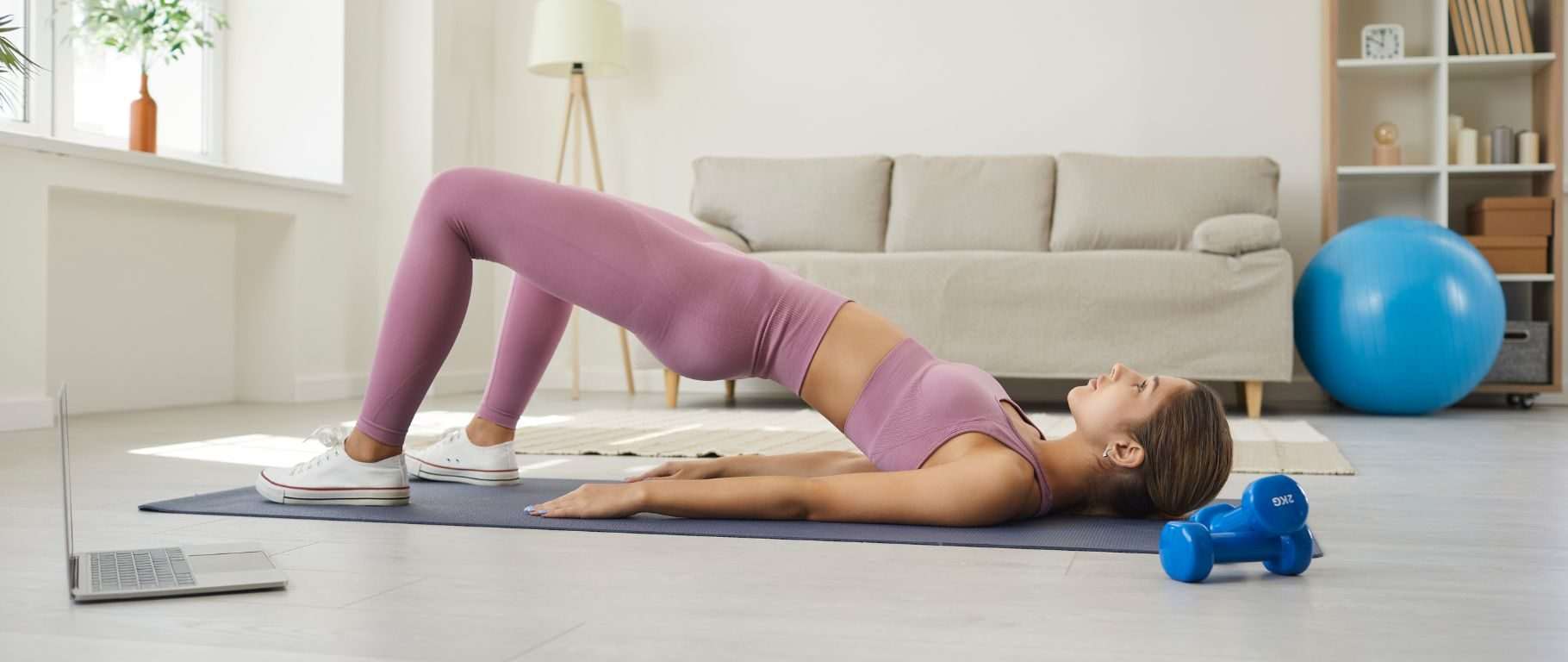
Postpartum recovery is more than simply resting and waiting for the body to heal. After childbirth, a womans bodyespecially the pelvic floorundergoes significant stress, and without proper care, this can lead to long-term issues like incontinence, pelvic pain, and organ prolapse. Postpartum physiotherapy focused on pelvic health offers targeted treatment and prevention strategies that help new mothers heal, strengthen, and regain control over their core and pelvic functions. At YourFormSux (YFS), we empower Canadian women to navigate this crucial stage of recovery through evidence-based pelvic physiotherapy.
Understanding What Happens to the Pelvic Floor After Childbirth
During pregnancy and delivery, the pelvic floor muscles stretch to support the growing baby and to accommodate childbirth. Whether delivery is vaginal or via C-section, the pelvic region experiences trauma. The pressure from pregnancy, the physical strain of labor, and potential tearing or episiotomies can weaken or damage pelvic muscles and nerves.
The result can include:
Bladder or bowel control issues
Pelvic organ prolapse
Painful intercourse
Core weakness or instability
Lower back and hip pain
Postpartum physiotherapy helps restore normal pelvic function and prevents these complications from becoming chronic.
Key Benefits of Postpartum Physiotherapy
Strengthening Weak Pelvic Muscles
Many women experience urinary leakage after childbirth. Physiotherapy helps re-engage and strengthen the pelvic floor muscles through targeted exercises that rebuild endurance and control.
Improved Core Stability
Pregnancy and delivery often disrupt the deep core muscles. Physiotherapists use safe and progressive techniques to restore core strength and coordination, which is essential for posture, movement, and injury prevention.
Pain Reduction and Improved Mobility
Postpartum pain is common, particularly in the lower back, pelvis, or hips. Physiotherapy relieves muscle tension and joint dysfunction, enabling smoother and more comfortable daily movements.
Support for C-Section Recovery
A cesarean birth involves abdominal surgery, which can impact mobility, posture, and pelvic alignment. Physiotherapists provide scar tissue management, abdominal retraining, and support to safely reintroduce exercise.
Restoring Bladder and Bowel Control
Incontinence or constipation are often the result of strained or unresponsive pelvic floor muscles. Physiotherapy helps regain control through guided strengthening, relaxation, and coordination training.
Improved Sexual Health
Pain during intimacy is a common but under-discussed postpartum symptom. Physiotherapists address underlying tension or trauma in the pelvic floor, helping women return to pain-free and confident sexual activity.
When to Start Postpartum Physiotherapy
Ideally, women can begin gentle pelvic floor therapy as early as 6 weeks postpartum, once cleared by a physician. However, its never too late. Whether you gave birth months or years ago, physiotherapy can still restore pelvic function and relieve lingering symptoms.
Each recovery timeline is unique. At YourFormSux, we offer personalized assessments and progression plans suited to your specific birth experience, health goals, and current condition.
What to Expect During a Postpartum Physiotherapy Session
A pelvic health physiotherapist will assess your posture, breathing, core activation, and pelvic floor function. Depending on your symptoms, treatment may include:
Pelvic floor muscle training (strengthening or relaxation, depending on your needs)
Core retraining for diastasis recti or abdominal separation
Manual therapy to relieve tight muscles or scar tissue
Posture and alignment corrections
Functional movement training for lifting, carrying, or returning to exercise
Education on bladder habits, bowel health, and pelvic wellness
Our team works collaboratively to help you safely return to your pre-pregnancy lifestyleor better.
Long-Term Impact of Postpartum Physiotherapy
Investing in pelvic health soon after childbirth sets the foundation for long-term well-being. Early intervention reduces the risk of chronic pelvic issues later in life, including urinary dysfunction, prolapse, and sexual dysfunction. Just as new mothers care for their newborns, its equally essential to prioritize their own physical recovery.
Women who receive postpartum pelvic physiotherapy often report feeling stronger, more confident, and more in control of their bodies. Its not just about fixing problemsits about rebuilding trust in how your body moves and functions.
The YFS Commitment
At YourFormSux, we specialize in postpartum care that goes beyond the basics. Our pelvic physiotherapy services in Canada are designed with women in mindrespecting their unique experiences, goals, and healing timelines. We believe recovery should be empowering, not overwhelming.
Our mission is to help every mother restore her health, reduce discomfort, and enjoy life with strength and confidence.