The Benefits of Regular Physiotherapy Treatments for Performers explores targeted strategies for recovery. Discover new paths to mobility, healing, and personalized care.

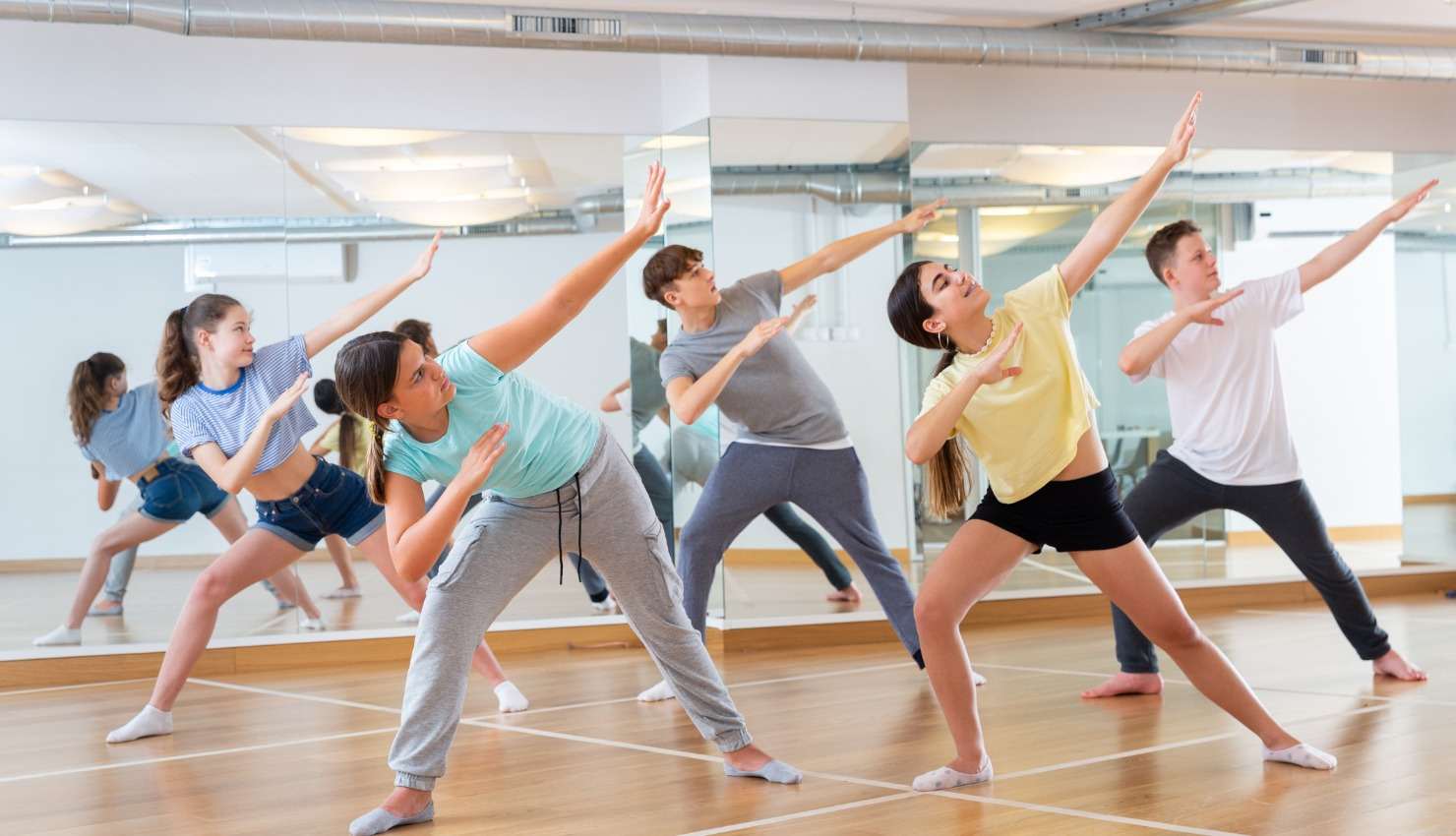
Whether you’re a dancer, actor, musician, or aerialist, performing is physically demanding. Rehearsals, performances, and travel schedules place continuous strain on the body often without sufficient time to rest or heal. Thats why regular physiotherapy is not a luxury for performers; its a necessity for maintaining peak performance, preventing injury, and ensuring longevity in the industry.
?? Why Performers Need Consistent Care
Performers often push their bodies past typical limits:
Long rehearsals and performances without proper rest
Repetitive motions (e.g., pirouettes, jumps, instrument playing)
High-impact choreography or physically expressive scenes
Emotional stress that translates into physical tension
Little time for recovery between gigs or tours
Unlike recreational movers, professional performers must stay performance-ready year-round, often without any off-season. That’s where physiotherapy comes in.
?? Key Benefits of Regular Physiotherapy for Performers
1. ??? Injury Prevention
Rather than waiting for an injury to occur, regular physiotherapy helps identify and correct early warning signs such as:
Muscle imbalances
Joint stiffness or hypermobility
Overuse tension
Faulty movement patterns
?? Prevention is always more effective and less disruptive than treatment after the fact.
2. ?? Improved Performance and Technique
Physiotherapists help performers:
Refine posture and alignment
Increase strength, balance, and flexibility
Optimize body mechanics specific to your art form (dance, theatre, circus, etc.)
Develop sport- or art-specific rehab and prehab routines
?? Small adjustments in physical function often lead to big gains in technique.
3. ?? Faster Recovery from Intense Rehearsals or Shows
Physio helps manage muscle fatigue and joint stress using:
Soft tissue release (manual therapy, myofascial release)
Stretching and mobilization
Modalities like dry needling, ultrasound, or cupping
Recovery exercises to flush lactic acid and restore balance
?? Regular treatments help the body bounce back faster and reduce risk of burnout.
4. ?? Posture and Alignment Correction
Poor posture can result from repetitive choreography, carrying instruments, or even the emotional content of a role. Physiotherapy realigns the body and reinforces:
Neutral spine and pelvis
Symmetry between dominant and non-dominant sides
Proper joint stacking for safe and efficient movement
?? Better alignment equals better control, endurance, and aesthetics.
5. ?? Stress Reduction and Mental Wellness
Physical tension often reflects mental or emotional strain. Regular physiotherapy helps performers manage stress by:
Releasing chronic muscle tightness
Enhancing breath control and diaphragm mobility
Providing a grounded, supportive space to reset
?? Physical care supports emotional resilience vital for high-pressure performing arts.
6. ?? Monitoring and Managing Chronic Conditions
Many performers quietly deal with:
Tendonitis
Lower back pain
Joint hypermobility or instability
Previous injuries that never fully healed
Ongoing physio care keeps these conditions managed, preventing flare-ups that could sideline a career.
?? What Does a Regular Physio Routine Look Like?
Frequency Purpose
Weekly or biweekly For active performance seasons or injury recovery
Monthly For injury prevention, tune-ups, and performance optimization
Seasonally During breaks to reassess, reset, and prepare for next season
Treatments may include:
Movement assessments
Personalized exercise programs
Manual therapy and hands-on treatment
Neuromuscular training and proprioception
Education on posture, recovery, and load management
?? Tailored for the Performer
A physiotherapist who works with performers understands:
The demands of stage and rehearsal life
How emotion, technique, and physicality intersect
The importance of timing they help you stay show-ready without unnecessary rest or withdrawal from projects
?? They dont just treat you they collaborate with you to support your artistry.