1. They Support and Stabilize Joints Stronger muscles act like natural shock absorbers.

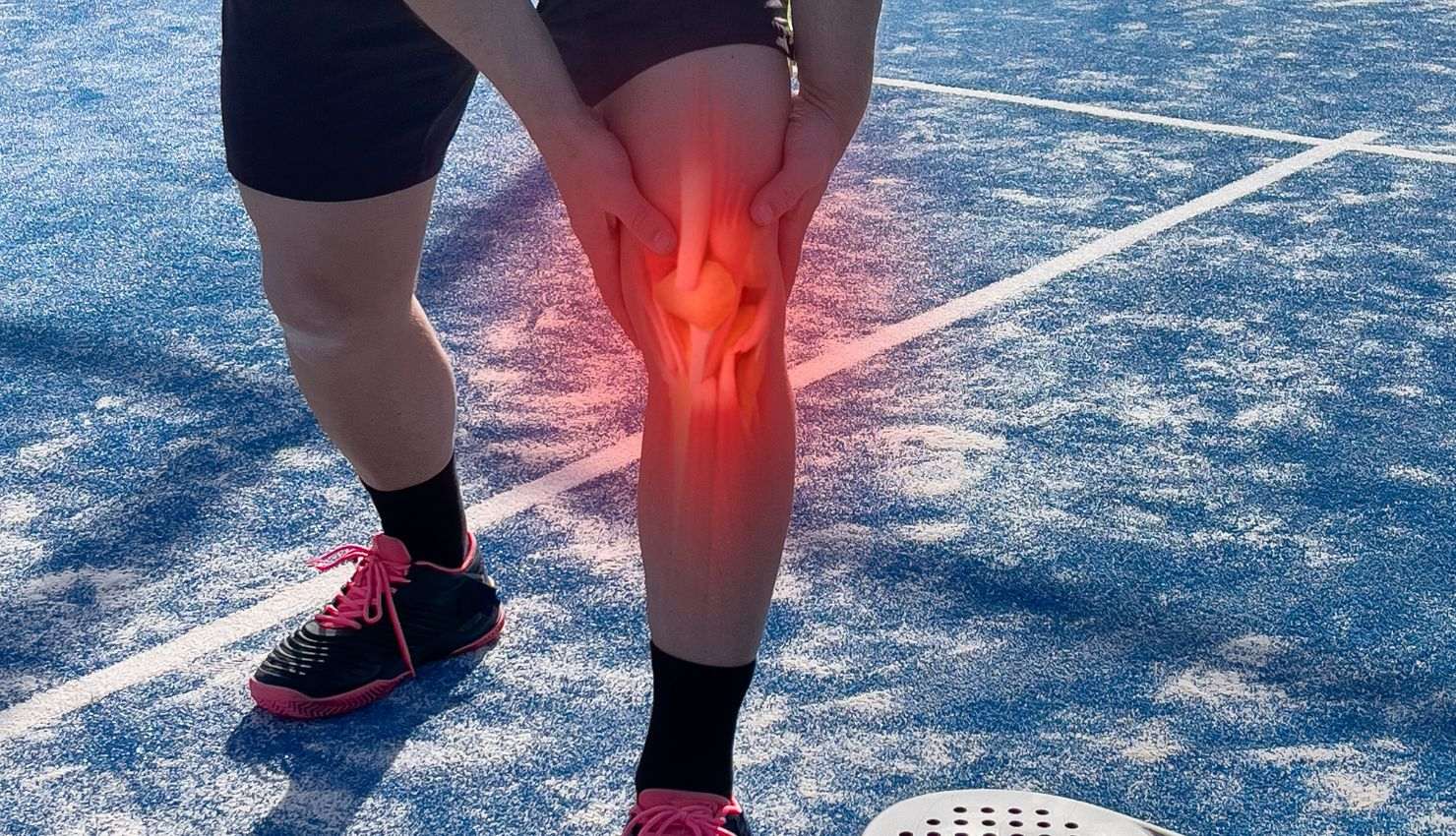
1. They Support and Stabilize Joints
Stronger muscles act like natural shock absorbers. When your muscles are weak, your joints take on more load and stress, which can lead to pain, inflammation, and wear over time. Strengthening the muscles around a painful jointlike your knees, hips, or shouldershelps:
Offload pressure
Improve joint alignment
Increase overall stability and control
This is especially beneficial in conditions like osteoarthritis, where better muscle support means less pain with movement.
2. They Reduce Muscle Imbalances and Compensation
Pain often leads us to move differentlymaybe you favor one side, limp slightly, or avoid certain motions. This causes:
Muscle imbalances
Overuse of the good side
More tension, tightness, and pain in unexpected places
Strengthening the right muscles in the right way helps retrain your body to move evenly and efficiently againreducing compensatory pain patterns.
3. They Improve Posture and Alignment
Poor posture can be both a cause and a result of pain. For example:
Weak core and back muscles = slouched spine = back or neck pain
Weak glutes = poor hip stability = knee pain
Strength exercises help realign your body, improving the way you sit, stand, walk, and liftultimately leading to less strain and fewer pain triggers.
4. They Release Natural Painkillers
Exercise triggers the release of:
Endorphins natural feel-good chemicals that reduce pain perception
Anti-inflammatory hormones which can help with chronic pain conditions like fibromyalgia or tendonitis
Increased blood flow bringing oxygen and nutrients to injured tissues for healing
So, strengthening exercises dont just fix structurethey also improve how you feel.
5. They Build Confidence and Reduce Fear of Movement
When youre in pain, its easy to become fearful of movingand that leads to stiffness, weakness, and even more pain. Strength training under the guidance of a physiotherapist:
Rebuilds trust in your body
Improves movement confidence
Shows you that moving doesnt have to hurt
This is key for breaking out of the pain-avoidance cycle.
??? Examples of Pain-Reducing Strength Exercises
These will vary based on your condition, but here are some general examples:
? For Back Pain:
Bird dogs
Glute bridges
Planks or dead bug variations
Resistance band rows
? For Knee or Hip Pain:
Clamshells
Step-ups
Wall sits
Straight leg raises
? For Shoulder or Neck Pain:
Scapular retractions
Isometric holds
Theraband rotations
Chin tucks
Always start gently, and build up under the supervision of a physiotherapist who can adjust intensity, sets, and reps based on your progress.
? When Will You See Results?
With consistent effort:
Most people feel improved strength and function within 24 weeks
Pain levels often start to decrease around the same time
Long-term relief continues to build over 612+ weeks of regular exercise
Remember: strength training is not just a short-term fixits a long-term investment in living pain-free.
? Final Takeaway
Strengthening exercises are one of the most effective tools in modern pain management. They help reduce stress on joints, correct imbalances, build stability, and increase your ability to move confidentlywithout pain holding you back.
Whether your pain is from an old injury, arthritis, poor posture, or chronic muscle tension, strengthening (done right) is part of the solution.