The Benefits of Structural Integration for Improving Joint Health explores targeted strategies for recovery. Discover new paths to mobility, healing, and personalized care.

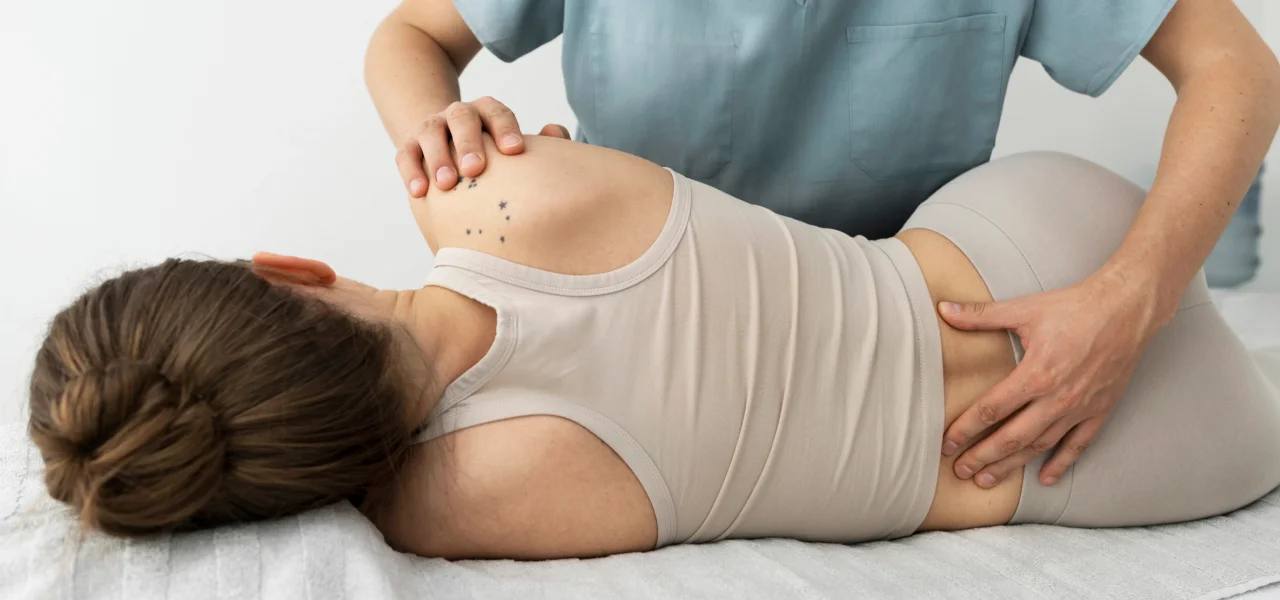
Structural Integration (SI), commonly known as Rolfing, is a holistic approach to bodywork that focuses on the fasciathe connective tissue that surrounds muscles, bones, and organsand its relationship to the overall alignment and movement of the body. SI aims to restore balance and improve the function of the musculoskeletal system by addressing fascial restrictions, improving posture, and realigning the body. One of the key benefits of Structural Integration is its ability to enhance joint health by improving joint mobility, reducing stiffness, preventing injury, and supporting overall musculoskeletal function.
What is Structural Integration?
Structural Integration is a hands-on therapeutic approach that uses deep tissue manipulation to release tension in the fascia, correct body misalignments, and restore movement. The process is typically delivered through a series of 10 sessions, with each session addressing different areas of the body. SI focuses on realigning the bodys structure to improve posture, mobility, and efficiency in movement. By working on the fascia, SI helps to free up movement in joints, alleviate pain, and improve joint function.
How Structural Integration Improves Joint Health
Increasing Joint Mobility and Flexibility
Joint health is significantly influenced by the surrounding muscles, ligaments, and fascia. When fascia becomes tight or restricted, it can limit the movement of muscles and joints, leading to stiffness and discomfort. SI targets these fascial restrictions and uses deep tissue techniques to release tightness, improving the flexibility and range of motion of the joints.
As the fascia is released and realigned, it allows for smoother joint movement, enhancing flexibility and reducing the risk of stiffness. Restoring mobility to joints such as the knees, shoulders, hips, or spine helps improve overall joint function and prevents the development of long-term pain or injury due to immobility.
Restoring Proper Posture and Joint Alignment
One of the primary causes of joint dysfunction is poor posture. Misalignments in the spine or pelvis can place undue strain on joints, causing discomfort and potentially leading to chronic pain. Structural Integration works to realign the bodys structure, particularly the spine, pelvis, and other key joints.
By improving posture and correcting misalignments, SI reduces unnecessary stress on the joints and promotes more even weight distribution. This helps to prevent wear and tear on specific joints and encourages proper movement patterns, which ultimately improves joint health. Correcting posture can alleviate pain caused by joint misalignments and prevent further damage.
Reducing Joint Pain and Inflammation
Chronic joint pain is often associated with inflammation, overuse, or degeneration. Conditions like arthritis, tendinitis, or bursitis can make joints stiff, painful, and less mobile. Structural Integration helps to reduce joint pain by improving joint function, enhancing circulation, and releasing tension in surrounding tissues.
Osteopaths use specific techniques to reduce tension in muscles and fascia around the joints, allowing for better movement and less strain. These techniques also help to improve blood flow to the affected areas, which can reduce inflammation and promote healing in inflamed tissues. By releasing restrictions around the joint, SI reduces pain and improves the overall health of the joint.
Supporting Ligament and Tendon Function
Ligaments and tendons play a crucial role in joint stability and movement. When these structures become tight, inflamed, or misaligned, they can impair joint function and increase the risk of injury. Structural Integration helps improve the function of ligaments and tendons by releasing tight fascia and restoring balance in the surrounding muscles.
The deep tissue manipulation used in SI helps to release restrictions in the connective tissues and encourages proper movement patterns. As the fascia and surrounding tissues become more flexible and balanced, ligaments and tendons can function more efficiently, improving joint stability and reducing the likelihood of strain or injury.
Preventing Joint Injuries and Degeneration
Many joint injuries result from muscle imbalances, poor posture, or repetitive movements that place excessive stress on certain joints. Structural Integration helps prevent joint injuries by addressing these underlying causes. By releasing fascial restrictions, correcting misalignments, and balancing the muscles around the joint, SI helps to prevent overuse injuries and degenerative conditions.
SI also supports optimal movement mechanics by realigning the body and promoting coordinated movement. This reduces the risk of strain or injury, particularly in athletes or individuals who perform repetitive motions in their daily activities. Proper alignment and balanced muscle function protect joints from excessive wear and tear, helping to prevent conditions like osteoarthritis or tendinitis.
Enhancing the Bodys Natural Healing Abilities
Structural Integration helps improve joint health by enhancing the bodys natural ability to heal itself. When the fascia and muscles are in optimal condition, circulation improves, and tissues are better able to repair and regenerate. SI helps promote blood flow to the joints, delivering oxygen and nutrients to the tissues while removing metabolic waste products.
This improved circulation helps to reduce inflammation, accelerate tissue healing, and support the regeneration of cartilage, ligaments, and tendons. By encouraging the bodys natural healing process, Structural Integration speeds up recovery from joint injuries and reduces the risk of long-term joint dysfunction.
Improving Balance and Proprioception
Proper joint health is not just about mobilityit’s also about balance and stability. When the bodys alignment is off, it can affect proprioception (the bodys awareness of its position in space), leading to instability and an increased risk of falls or injuries. Structural Integration helps restore balance by realigning the bodys structure and improving joint function.
As posture and alignment improve, proprioception also enhances, allowing for better coordination and joint stability. This reduces the risk of accidents or falls and ensures that the joints move in a more controlled and stable manner.
Comprehensive, Whole-Body Approach
Unlike traditional joint-specific therapies, Structural Integration takes a whole-body approach. It doesnt just focus on isolated joints but considers the entire bodys alignment and function. By addressing the interconnectedness of the musculoskeletal system, SI works to restore balance and improve overall joint health.
For example, if an individual experiences knee pain due to tight hip muscles or poor spinal alignment, SI addresses these issues at their source, rather than just targeting the knee joint. By improving the bodys overall alignment, SI reduces the risk of joint dysfunction and promotes long-term joint health.
The 10-Series: A Structured Approach to Joint Health
Structural Integration is typically delivered through a series of 10 sessions. Each session is designed to address different layers of the body, starting with the superficial fascia and progressing to the deeper tissues. This series is designed to gradually improve body alignment, release fascial tension, and restore joint function. By the end of the 10-Series, many individuals experience significant improvements in joint health, mobility, and pain relief.
Conclusion: Structural Integration for Improving Joint Health
Structural Integration offers a comprehensive approach to improving joint health by addressing the bodys underlying fascial restrictions, postural misalignments, and muscle imbalances. By releasing fascial tension, restoring alignment, and enhancing circulation, SI helps improve joint mobility, reduce pain, and prevent injuries. Whether youre recovering from a joint injury, dealing with chronic pain, or simply looking to improve overall joint health, Structural Integration provides an effective and holistic solution for enhancing joint function, mobility, and long-term well-being.