The Benefits of Structural Integration for Preventing Musculoskeletal Pain explores targeted strategies for recovery. Discover new paths to mobility, healing, and personalized care.

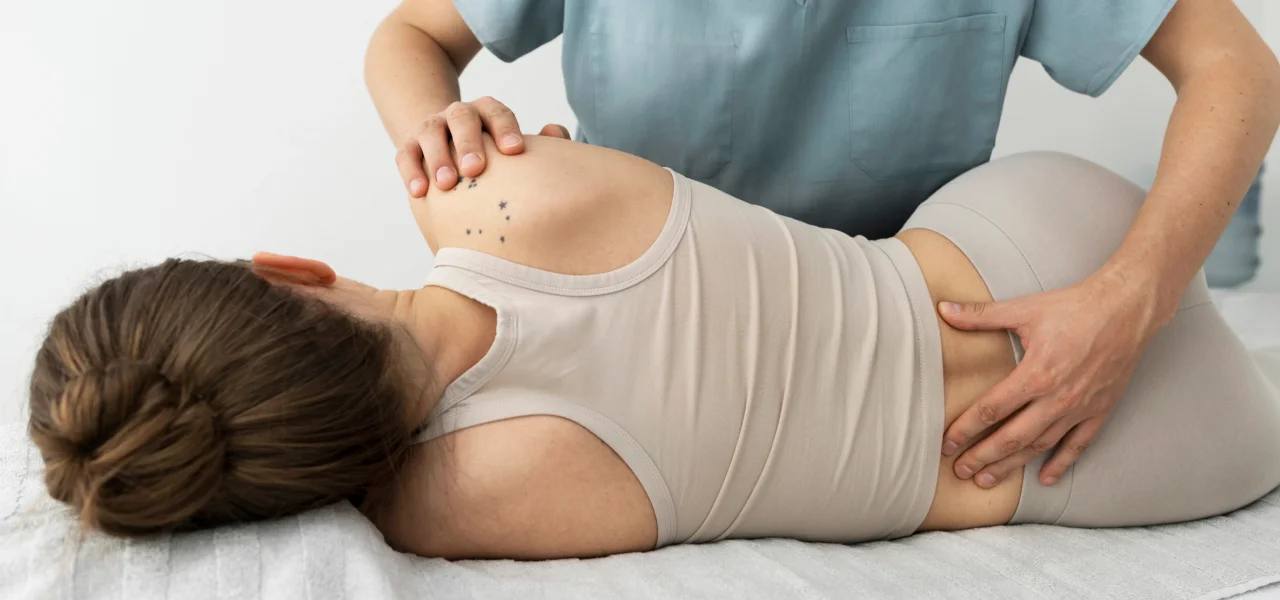
Structural Integration (SI), often referred to as Rolfing, is a therapeutic approach that focuses on manipulating the bodys fasciathe connective tissue that surrounds and supports muscles, bones, and organsto improve posture, alignment, and movement. By addressing fascial restrictions, muscle imbalances, and joint misalignments, Structural Integration helps the body function more efficiently and can significantly reduce the risk of developing musculoskeletal pain. This holistic technique not only alleviates current discomfort but also plays a vital role in preventing pain by promoting proper body mechanics, enhancing flexibility, and improving overall musculoskeletal health.
Here are the key benefits of Structural Integration for preventing musculoskeletal pain:
1. Improving Posture and Alignment
One of the primary causes of musculoskeletal pain is poor posture and misalignment of the spine and joints. Misalignments can place excess pressure on muscles, ligaments, and joints, leading to pain and discomfort. Structural Integration works to restore alignment in the body by addressing misalignments in the spine, pelvis, and joints. Through techniques such as deep tissue manipulation and myofascial release, SI realigns the body, improving posture and reducing strain on muscles and joints.
Proper alignment ensures that the body moves in a more balanced and efficient manner, reducing the risk of developing musculoskeletal pain caused by poor posture. By restoring structural integrity, SI helps prevent the development of conditions such as chronic back pain, neck stiffness, and shoulder discomfort.
2. Releasing Fascial Restrictions
Fascia is a web-like connective tissue that surrounds muscles and organs. When fascia becomes restricted or tight, often due to poor posture, injury, or repetitive strain, it can cause pain, stiffness, and decreased range of motion. These fascial restrictions can lead to muscle imbalances, joint dysfunction, and discomfort in various areas of the body.
Structural Integration focuses on releasing these fascial restrictions by applying targeted pressure and manipulation to the fascia. Myofascial release techniques help to loosen tight fascia, improve tissue mobility, and restore balance to the musculoskeletal system. By releasing fascial restrictions, SI reduces the risk of developing musculoskeletal pain and helps the body move more freely and with less discomfort.
3. Correcting Muscle Imbalances
Muscle imbalances occur when some muscles become overactive or tight, while others are weak or underactive. This imbalance can lead to abnormal movement patterns, joint instability, and increased strain on muscles and connective tissues, all of which contribute to musculoskeletal pain. For example, tight hip flexors and weak glutes can lead to lower back pain, while tight chest muscles and weak upper back muscles can result in shoulder discomfort.
Structural Integration addresses these imbalances by releasing overactive muscles and activating underactive muscles. Through techniques like muscle energy techniques and deep tissue manipulation, SI works to restore muscle balance and improve coordination between muscle groups. By correcting muscle imbalances, SI helps prevent pain and discomfort caused by inefficient movement patterns and improves overall muscle function.
4. Enhancing Flexibility and Range of Motion
Limited flexibility and stiffness in the muscles and joints are significant contributors to musculoskeletal pain. When the body is stiff or immobile, it is more prone to injury, strain, and discomfort. Structural Integration works to increase flexibility and restore range of motion by releasing tension in the muscles and fascia. Techniques such as myofascial release and joint mobilization help to improve the elasticity of the muscles and the mobility of the joints, allowing the body to move more freely.
By improving flexibility and range of motion, SI reduces the risk of musculoskeletal pain caused by stiffness and tightness, while also promoting better functional movement. Enhanced flexibility ensures that the body can perform everyday activities with ease and without discomfort, reducing the likelihood of injury.
5. Supporting Proper Movement Patterns
Poor movement patterns, often developed over time due to bad posture, repetitive activities, or compensatory movements, can put strain on certain muscles and joints, leading to pain. For instance, an individual with poor walking mechanics may place excessive pressure on their knees or hips, leading to pain and dysfunction in these joints.
Structural Integration focuses on improving movement patterns by realigning the body, releasing tension, and promoting efficient muscle coordination. Through postural correction and movement re-education, SI helps individuals adopt better body mechanics and move more efficiently. By promoting proper movement patterns, SI reduces the risk of musculoskeletal pain caused by compensatory movements and strain.
6. Enhancing Circulation and Tissue Health
Inadequate circulation can lead to muscle stiffness, fatigue, and slow tissue healing, contributing to chronic pain and discomfort. When blood flow is restricted, the muscles and tissues are deprived of oxygen and nutrients, making it harder for them to recover from injury or strain.
Structural Integration improves circulation by releasing restrictions in the fascia and muscles, which enhances blood flow to the tissues. As circulation improves, the bodys tissues receive the necessary oxygen and nutrients to repair and regenerate. Enhanced circulation also helps remove metabolic waste products and toxins from the muscles and joints, reducing inflammation and promoting healing.
By improving circulation, SI supports tissue health, accelerates recovery from injury, and reduces the risk of developing chronic musculoskeletal pain.
7. Reducing Stress and Promoting Relaxation
Stress can have a significant impact on the bodys physical health, often manifesting as muscle tension and pain. Stress-induced muscle tightness is common in areas like the neck, shoulders, and lower back, leading to discomfort and postural problems. Structural Integration promotes relaxation by applying gentle pressure and manipulation to the muscles and fascia, releasing tightness and encouraging the body to relax.
The relaxation achieved through SI helps reduce the physical manifestations of stress, such as muscle tension, and prevents the buildup of tension that can contribute to musculoskeletal pain. By promoting a state of relaxation, SI supports the bodys overall wellness and reduces the risk of stress-induced pain.
8. Preventing Chronic Pain Development
One of the most significant benefits of Structural Integration is its ability to prevent chronic pain before it becomes a long-term issue. By addressing misalignments, muscle imbalances, fascial restrictions, and poor movement patterns early on, SI helps to stop pain from developing or becoming chronic. Regular treatments can keep the body aligned, flexible, and mobile, reducing the likelihood of pain becoming persistent and requiring long-term intervention.
By treating the body as a whole and focusing on restoring balance, SI helps to prevent musculoskeletal pain from taking root and supports long-term musculoskeletal health.
9. Improving Overall Well-Being
Musculoskeletal pain often impacts more than just the bodyit can also affect mental and emotional well-being. Chronic pain can lead to frustration, anxiety, and decreased quality of life. Structural Integration not only addresses the physical causes of pain but also promotes a sense of overall well-being by restoring balance and improving mobility.
As pain is reduced and movement becomes more efficient, individuals often experience improved mood, energy, and physical vitality. This holistic approach to treatment enhances both physical and emotional health, promoting long-term wellness.
Conclusion: Structural Integration for Preventing Musculoskeletal Pain
Structural Integration offers a comprehensive and effective approach to preventing musculoskeletal pain by addressing the underlying causes of discomfort, such as poor posture, muscle imbalances, fascial restrictions, and inefficient movement patterns. Through techniques like myofascial release, joint mobilization, and postural correction, SI works to restore alignment, enhance flexibility, and promote better movement. This holistic approach not only reduces pain but also helps prevent future musculoskeletal issues by improving body mechanics and overall health.
By focusing on the body as an interconnected system, Structural Integration supports long-term musculoskeletal health, ensuring that the body remains balanced, resilient, and pain-free. Whether you are dealing with current discomfort or looking to prevent future pain, Structural Integration provides a sustainable solution for maintaining optimal movement and reducing the risk of musculoskeletal issues.