Remote work has many advantagesbut it also creates a trap: long, uninterrupted hours at your desk. Taking regular, intentional breaks is essential to prevent burnout, boost productivity, and protect your body.

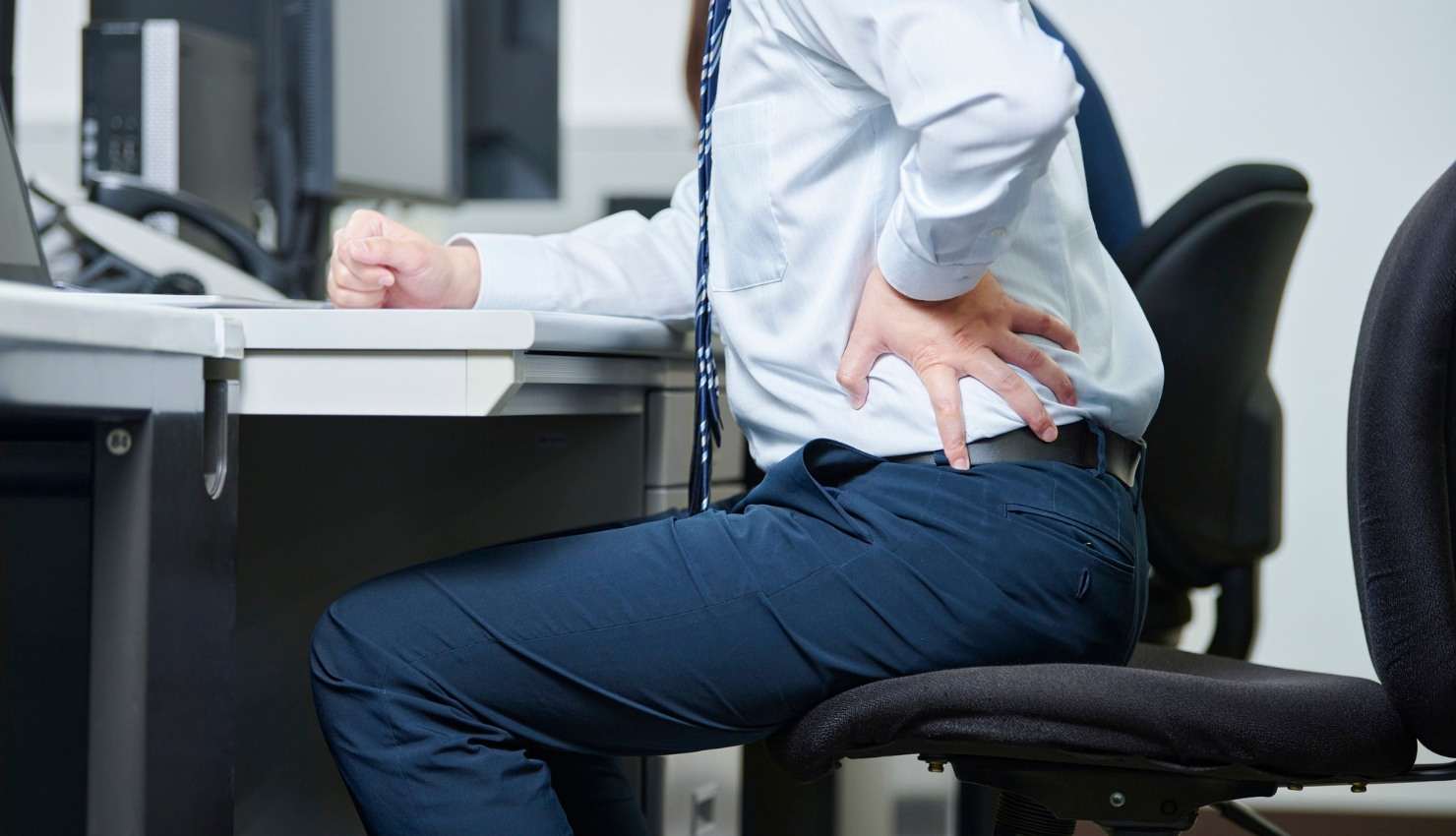
Remote work has many advantagesbut it also creates a trap: long, uninterrupted hours at your desk. Taking regular, intentional breaks is essential to prevent burnout, boost productivity, and protect your body.
1. Why Breaks Matter
Reduce physical tension: Sitting for hours stiffens muscles and compresses joints.
Boost mental clarity: Your brain needs time to reset and process.
Prevent screen fatigue: Eye strain and headaches are common when breaks are skipped.
Increase productivity: Short breaks improve focus and accuracy when you return to work.
2. Signs You Need a Break
Fidgeting or shifting often
Foggy thinking or trouble concentrating
Eye dryness or headaches
Irritability or anxiety
3. Best Types of Breaks
Microbreaks (30 sec2 min): Shake out your hands, roll your shoulders, or do deep breathing.
Short breaks (515 min): Take a walk, stretch, or grab a healthy snack.
Longer breaks (3060 min): Eat lunch away from screens, run errands, or rest.
4. How Often Should You Break?
Every 3060 minutes is ideal.
Try the 5217 rule: 52 minutes of focused work, followed by a 17-minute break.
Use timers or apps to stay consistent.
5. Break Ideas to Recharge
Step outside for sunlight and fresh air.
Try a 5-minute guided meditation.
Dance to music or do a few jumping jacks.
Do light stretches for your back, neck, and wrists.
6. Make Breaks Part of Your Workflow
Add them to your calendar or planner.
Stack them with habits: stretch before every meeting or walk after each task block.
Avoid multitasking during breaksdont scroll endlessly on your phone.
Conclusion
Breaks are not wasted timetheyre an investment in your performance and health. By incorporating regular pauses, youll work smarter, stay energized, and feel better at the end of every day.