The Best Acupoints for Relaxation and Stress Relief explores targeted strategies for recovery. Discover new paths to mobility, healing, and personalized care.

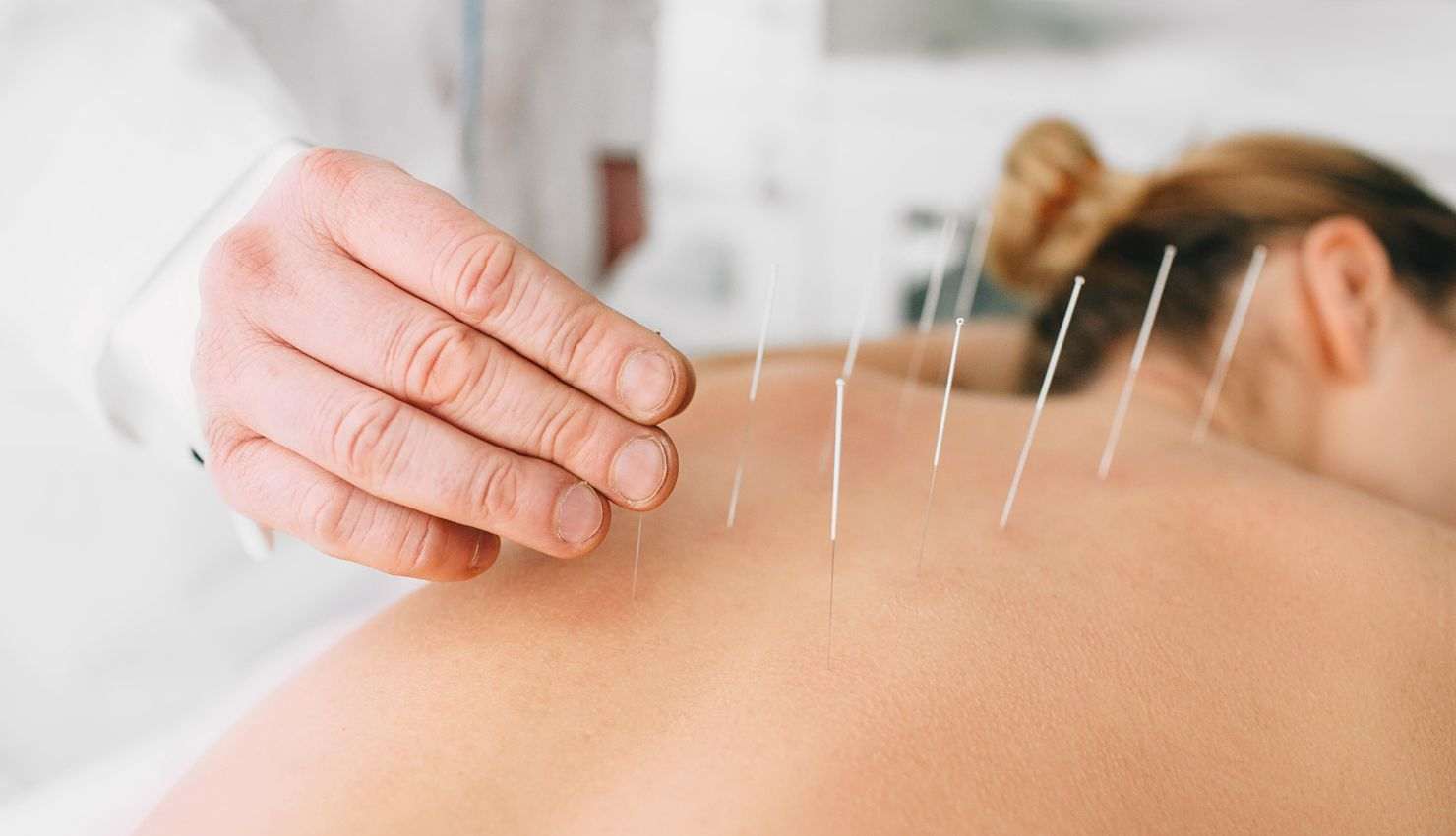
In today’s fast-paced world, stress has become an unavoidable part of life. From work pressures to family responsibilities, personal challenges to societal expectations, the modern lifestyle often takes a toll on our mental and physical well-being. While there are many methods to alleviate stress, one ancient practice that has gained widespread popularity for its calming and therapeutic effects is acupuncture.
Acupuncture, a key component of Traditional Chinese Medicine (TCM), is known for its ability to promote relaxation, reduce stress, and enhance overall well-being. By targeting specific acupoints or pressure points on the body, acupuncture restores the balance of Qi (energy) and helps to harmonize the bodys systems. In this blog, we will explore the best acupoints for relaxation and stress relief, as well as how acupuncture can be a powerful tool in managing stress naturally.
What Is Acupuncture?
Acupuncture is a practice that involves inserting thin, sterile needles into specific points on the body. These points, known as acupoints, are strategically located along energy pathways called meridians. According to TCM, when the flow of Qi is blocked or unbalanced, it can lead to physical or emotional discomfort. Acupuncture helps to clear these blockages, restore the proper flow of Qi, and promote healing.
When it comes to stress relief, acupuncture works by stimulating the release of endorphins, the bodys natural “feel-good” chemicals. These endorphins help reduce pain, promote relaxation, and enhance a sense of calm. By stimulating specific acupoints, acupuncture can effectively alleviate tension, anxiety, and other stress-related symptoms.
Acupoints for Relaxation and Stress Relief
Several acupoints are known for their ability to promote relaxation, calm the mind, and alleviate stress. Here are some of the best acupoints to target for stress relief:
1. Shen Men (Heart Gate) HT7
Shen Men, also known as the Heart Gate point, is one of the most commonly used acupoints for stress relief and relaxation. Located on the inner wrist, at the crease of the wrist joint, this point is known for its calming effects on the mind and emotions. Stimulating Shen Men helps reduce anxiety, insomnia, and nervousness, promoting a sense of tranquility. It is often used in acupuncture treatments aimed at improving sleep and reducing emotional stress.
2. Yintang (Third Eye Point)
The Yintang acupoint, often referred to as the “Third Eye” point, is located between the eyebrows, in the center of the forehead. This point is known for its powerful ability to calm the mind, alleviate stress, and relieve mental fatigue. Yintang is often used in treatments for headaches, eye strain, and tension, especially when caused by emotional stress. Stimulating this point can promote relaxation and mental clarity, making it an ideal acupoint for those struggling with anxiety and stress.
3. Hegu (Union Valley) LI4
The Hegu acupoint, located on the hand between the thumb and index finger, is known as the “Union Valley” point. It is one of the most well-known acupoints for overall relaxation and stress relief. Stimulating Hegu helps to release tension and alleviate pain, making it effective for headaches, neck and shoulder stiffness, and general muscle tension. This point is particularly helpful for managing stress that manifests physically, such as tight muscles and tension headaches. It is also beneficial for promoting overall relaxation and calming the nervous system.
4. Tai Chong (Great Rushing) LV3
Tai Chong, or Great Rushing, is located on the top of the foot, between the first and second toes. This point is considered one of the most important acupoints for regulating the liver energy, which plays a key role in emotional balance. Tai Chong is commonly used to relieve emotional stress, frustration, and irritability. It helps to calm the mind and promote relaxation, making it particularly beneficial for individuals dealing with stress-related mood swings or emotional tension.
5. Anmian (Peaceful Sleep)
Anmian is located behind the ear, just below the base of the skull. This point is specifically targeted to improve sleep quality and alleviate insomnia, which is often exacerbated by stress and anxiety. By stimulating Anmian, acupuncture helps relax the nervous system, calm the mind, and promote restful sleep. Its a valuable acupoint for individuals who experience stress-related insomnia or difficulty falling asleep.
6. Zu San Li (Three Miles) ST36
Zu San Li, also known as the “Three Miles” point, is located on the lower leg, about four finger-widths below the knee, on the outer side of the shinbone. This acupoint is famous for its ability to promote general wellness and vitality. In terms of stress relief, Zu San Li helps to strengthen the bodys overall energy and boost circulation, which can improve physical stamina and help the body cope with stress more effectively. This point is often used in treatments designed to support overall health and prevent burnout.
7. Neiguan (Inner Pass) PC6
Neiguan, or Inner Pass, is located on the inner forearm, about two inches above the wrist. This acupoint is particularly effective for relieving symptoms of anxiety, nausea, and palpitations, all of which can be aggravated by stress. Neiguan helps to calm the mind, alleviate emotional distress, and regulate the heart and chest, making it a great point for those who experience stress-related symptoms such as heart palpitations or shallow breathing.
How Acupuncture Promotes Relaxation and Reduces Stress
Acupuncture promotes relaxation and reduces stress by addressing both the physical and emotional components of stress. When you experience stress, your bodys fight-or-flight response is activated, which leads to increased heart rate, tense muscles, and shallow breathing. Acupuncture helps to counteract this response by stimulating the parasympathetic nervous system, which is responsible for the bodys rest-and-digest functions. This leads to a relaxation response, reducing tension and promoting a sense of calm.
By restoring balance to the bodys energy flow, acupuncture can also help regulate the hormones associated with stress, such as cortisol. Chronic stress can lead to an imbalance in these hormones, which may contribute to fatigue, anxiety, and mood swings. Acupuncture helps to restore hormonal balance, supporting emotional well-being and improving the bodys ability to cope with stress.
Benefits of Acupuncture for Stress Relief
Reduced anxiety and tension: Acupuncture helps calm the nervous system, reducing anxiety and tension that may arise from stress.
Improved sleep: By addressing the underlying causes of stress, acupuncture can improve sleep quality and alleviate insomnia.
Enhanced emotional balance: Acupuncture promotes emotional stability and reduces mood swings related to stress.
Increased energy levels: By restoring balance to the body, acupuncture helps combat the fatigue often associated with chronic stress.
Conclusion
Acupuncture is a highly effective and natural way to promote relaxation, reduce stress, and improve overall well-being. By targeting specific acupoints that influence the nervous system, energy flow, and hormonal balance, acupuncture helps to alleviate the physical and emotional effects of stress. Whether you are looking to reduce anxiety, improve your sleep, or simply achieve a greater sense of calm, acupuncture offers a holistic approach to managing stress and promoting relaxation.
If you’re experiencing stress and looking for a natural way to find relief, consider consulting a licensed acupuncturist to explore how acupuncture can be part of your wellness routine. With its proven ability to balance the body and mind, acupuncture could be just the solution you need to feel more relaxed and centered.