Whether you’re a weekend warrior, a seasoned athlete, or a dedicated gym-goer, physical performance and recovery go hand-in-hand. Physiotherapy is not just about rehabilitationits also an essential part of injury prevention, muscle recovery, and long-term…

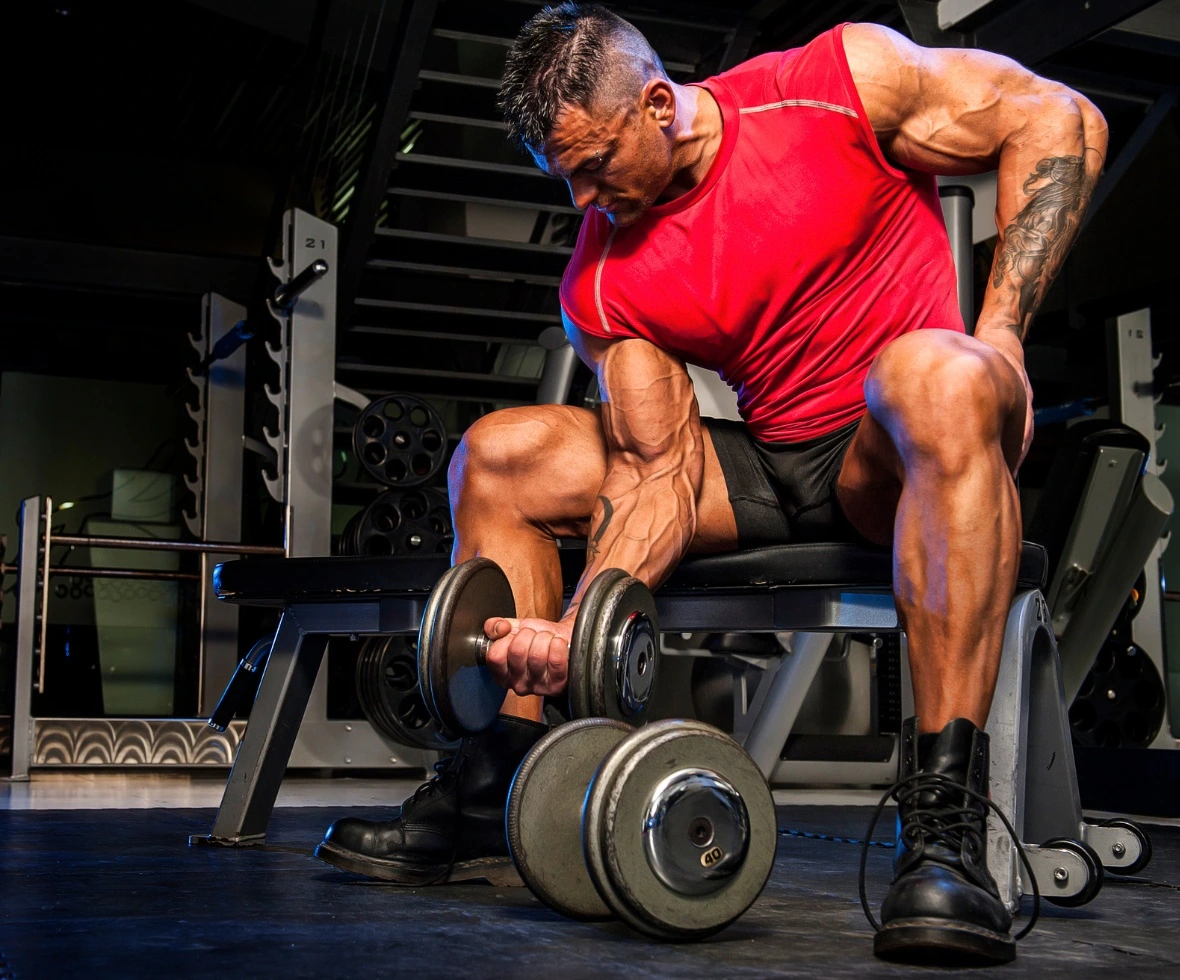
Whether you’re a weekend warrior, a seasoned athlete, or a dedicated gym-goer, physical performance and recovery go hand-in-hand. Physiotherapy is not just about rehabilitationits also an essential part of injury prevention, muscle recovery, and long-term performance sustainability. In this blog, we explore the best physiotherapy exercises for gym-goers and athletes, designed to keep your body functioning at its best and help you bounce back faster from the physical demands of an active lifestyle.
Why Physiotherapy Exercises Matter for Active Individuals
Engaging in intense physical activity can lead to muscle imbalances, joint strain, or repetitive stress injuries. This is where physiotherapy steps in. Unlike general fitness exercises, physiotherapy movements focus on mobility, alignment, muscle activation, and neuromuscular control. These exercises are designed not just to strengthen but also to correct movement patterns and promote healing.
Whether youre lifting heavy at the gym or sprinting down a track, incorporating physiotherapy exercises into your routine can:
Prevent overuse injuries
Improve flexibility and mobility
Enhance postural alignment
Speed up recovery
Support long-term athletic performance
Now, lets dive into the top physiotherapy exercises that every gym-goer and athlete should know.
1. Glute Bridges
Glute bridges are an excellent way to activate your posterior chain, especially the glutes and hamstrings. Weak glutes can often lead to lower back pain and poor lifting mechanics.
How to do it:
Lie on your back, knees bent, feet hip-width apart. Press through your heels and lift your hips towards the ceiling, squeezing your glutes at the top. Lower slowly and repeat.
Why it works:
This exercise corrects gluteal amnesia, a common issue among sedentary individuals and athletes alike, helping prevent lower back injuries and boosting hip stability.
2. Clamshells
If you struggle with knee pain or hip instability, clamshells are a must-have in your physiotherapy toolbox.
How to do it:
Lie on your side with your hips and knees bent at 90 degrees. Keeping your feet together, lift your top knee as high as you can without rotating your pelvis. Slowly lower and repeat.
Physiotherapy benefit:
Clamshells strengthen the gluteus medius, a critical stabilizer for the hip and pelvis. This is especially important for runners, squatting athletes, and anyone doing lateral movements.
3. Scapular Wall Slides
Posture is everything, especially for those who bench press or spend hours at a computer. Scapular wall slides help strengthen the upper back and improve shoulder mobility.
How to do it:
Stand against a wall with your back flat and arms in a W shape. Slide your arms up to a Y position, keeping your hands and elbows in contact with the wall. Return and repeat.
SEO keywords: shoulder mobility exercise, posture correction for athletes, scapular strengthening
4. Dead Bug Core Activation
Many injuries in gym-goers stem from poor core engagement. The dead bug is a foundational core stability exercise often recommended by physiotherapists.
How to do it:
Lie on your back with arms extended above your shoulders and knees bent at 90 degrees. Slowly lower your right arm and left leg without arching your lower back. Return to start and switch sides.
Why its effective:
This movement targets deep core stabilizers like the transverse abdominis, which is crucial for maintaining spinal alignment during compound lifts like deadlifts and squats.
5. Calf Raises with Eccentric Emphasis
For runners, jumpers, and lifters, strong calves mean strong ankles and better knee stability.
How to do it:
Stand on a step with your heels hanging off. Push up onto your toes and slowly lower your heels below the step level. Emphasize the downward (eccentric) phase.
Search-friendly keywords: ankle stability, eccentric calf strengthening, runners injury prevention
6. Thoracic Spine Rotations
Limited thoracic mobility can lead to compensations in the lower back or shoulders, especially during overhead lifts or rotation-heavy sports.
How to do it:
Start on all fours. Place one hand behind your head and rotate your upper body so your elbow points towards the ceiling. Return and repeat on both sides.
Physio insight:
Increasing thoracic mobility improves rotational control, essential for sports like tennis, baseball, and golf, as well as Olympic lifts.
7. Hip Flexor Stretch with Core Engagement
Tight hip flexors are a modern plague for athletes and office workers alike. This modified stretch not only lengthens but also teaches your body how to control the range of motion.
How to do it:
Assume a half-kneeling position. Squeeze the glute of the back leg and tilt your pelvis forward without overarching your lower back. Hold while engaging your abs.
SEO and AEO keywords: hip flexor stretch, improve hip mobility, prevent hip impingement
How to Incorporate Physiotherapy Into Your Routine
If you’re wondering whether you should do these physiotherapy movements before or after your workout, the answer depends on your goals. Use mobility and activation exercises like clamshells, wall slides, and dead bugs as part of your dynamic warm-up. Use stretches and eccentric strengthening (like calf raises) post-workout to enhance recovery.
You dont need to spend hours doing rehab-style work. Just 10 to 15 minutes a few times per week can lead to major improvements in performance, injury resistance, and joint health.
When to See a Physiotherapist
While these exercises are great for general use, they arent a substitute for professional assessment. If youre dealing with chronic pain, recurring injuries, or performance plateaus, it might be time to consult a licensed physiotherapist. A tailored treatment plan can uncover muscular imbalances, mobility restrictions, and movement dysfunctions that standard workouts miss.
At YourFormSux, we believe physiotherapy should be part of every active persons wellness toolkit. Our evidence-based approach combines hands-on therapy with corrective exercise to help you train smarter, move better, and recover faster.
Conclusion: Elevate Your Performance with Physiotherapy
Athletes and gym enthusiasts often overlook the power of physiotherapy exercises in pursuit of bigger lifts or faster times. But the real secret to longevity in any sport or fitness journey lies in movement quality, not just quantity. By integrating these simple yet effective physiotherapy exercises into your routine, youre not just preventing injuriesyoure setting yourself up for peak performance.
So, whether youre in the gym five days a week or training for your next marathon, take a proactive approach. Make physiotherapy a non-negotiable part of your training. Your body will thank you.