Lower back pain is a common issue that affects many people, ranging from mild discomfort to severe pain that limits daily activities. Physiotherapy offers a comprehensive approach to relieving lower back pain by focusing on strengthening the muscles, improving flexibility, and promoting better posture and movement.

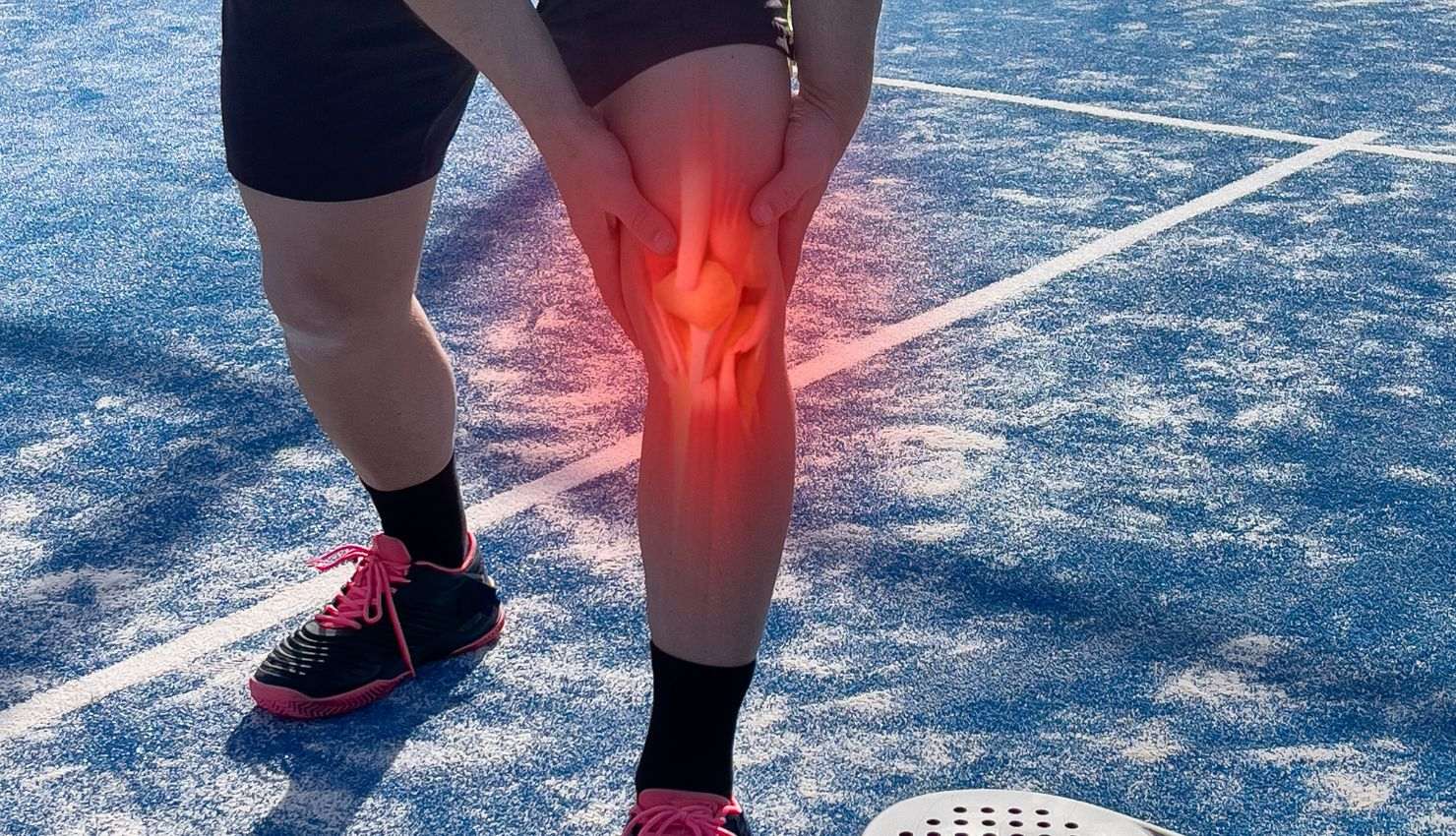
Lower back pain is a common issue that affects many people, ranging from mild discomfort to severe pain that limits daily activities. Physiotherapy offers a comprehensive approach to relieving lower back pain by focusing on strengthening the muscles, improving flexibility, and promoting better posture and movement. Below are some of the best physiotherapy exercises that can help relieve lower back pain and promote long-term recovery.
### **1. Pelvic Tilts**
Pelvic tilts help to strengthen the core muscles and stretch the lower back, alleviating tension and improving spinal alignment.
#### **How to Do It:**
* Lie on your back with your knees bent and feet flat on the floor, hip-width apart.
* Tighten your abdominal muscles and push your lower back toward the floor, tilting your pelvis up.
* Hold the position for 5-10 seconds, then relax.
* Repeat 10-15 times.
#### **Benefits:**
* Strengthens the lower abdominal muscles.
* Helps reduce lower back stiffness.
* Improves posture and spinal alignment.
—
### **2. Cat-Cow Stretch**
This dynamic stretch helps to improve flexibility in the spine, relieve tension in the back, and promote mobility.
#### **How to Do It:**
* Start on your hands and knees in a tabletop position (hands directly under shoulders, knees under hips).
* Inhale as you arch your back (drop your belly toward the floor) and look upward, creating a “cow” position.
* Exhale as you round your back (tuck your pelvis and chin) and push your spine toward the ceiling, creating a “cat” position.
* Continue moving between these two positions for 30 seconds to 1 minute.
#### **Benefits:**
* Improves flexibility in the spine.
* Relieves tension in the lower back and shoulders.
* Encourages proper posture and spinal mobility.
—
### **3. Bird Dog Exercise**
The bird dog exercise is a great way to strengthen the lower back, core, and glute muscles, improving stability and posture.
#### **How to Do It:**
* Start on your hands and knees in a tabletop position.
* Slowly extend your right arm forward while simultaneously extending your left leg backward.
* Hold for 5-10 seconds, then return to the starting position.
* Repeat on the opposite side (left arm and right leg).
* Perform 10-15 repetitions on each side.
#### **Benefits:**
* Strengthens the lower back and core muscles.
* Enhances balance and stability.
* Improves coordination between the upper and lower body.
—
### **4. Bridge Exercise**
The bridge exercise targets the glutes, hamstrings, and lower back, helping to strengthen the muscles that support the spine.
#### **How to Do It:**
* Lie on your back with your knees bent, feet flat on the floor, and arms at your sides.
* Tighten your abdominal muscles and squeeze your glutes as you lift your hips off the floor, forming a straight line from your knees to your shoulders.
* Hold the position for 5-10 seconds, then lower your hips back to the floor.
* Repeat 10-15 times.
#### **Benefits:**
* Strengthens the glutes, hamstrings, and lower back muscles.
* Improves spinal alignment and posture.
* Reduces lower back strain by engaging supportive muscles.
—
### **5. Knee-to-Chest Stretch**
This stretch helps to relieve tension in the lower back and hips by gently stretching the muscles of the lower back and thighs.
#### **How to Do It:**
* Lie on your back with your knees bent and feet flat on the floor.
* Bring one knee toward your chest and hold it with both hands.
* Hold for 20-30 seconds, then slowly release and switch legs.
* Repeat 2-3 times on each side.
#### **Benefits:**
* Stretches the lower back, glutes, and hips.
* Relieves tightness and reduces lower back pain.
* Improves flexibility in the hip flexors and lower spine.
—
### **6. Child’s Pose**
Childs pose is a restorative yoga position that gently stretches the lower back, hips, and thighs, helping to reduce tension and improve flexibility.
#### **How to Do It:**
* Start on your hands and knees in a tabletop position.
* Slowly sit back on your heels while stretching your arms forward and lowering your chest toward the floor.
* Hold the position for 30 seconds to 1 minute, breathing deeply and relaxing your body.
* Repeat 2-3 times.
#### **Benefits:**
* Gently stretches the lower back and hips.
* Helps to relax and release muscle tension.
* Improves flexibility and range of motion in the spine.
—
### **7. Wall Sits**
Wall sits are an effective exercise for strengthening the core, lower back, and legs. This exercise helps promote stability and endurance, reducing lower back pain caused by muscle weakness.
#### **How to Do It:**
* Stand with your back against a wall, feet shoulder-width apart, and a few inches away from the wall.
* Slowly lower your body into a squat position, keeping your knees at a 90-degree angle, while pressing your back against the wall.
* Hold the position for 20-30 seconds, then stand up.
* Repeat 5-10 times.
#### **Benefits:**
* Strengthens the quadriceps, hamstrings, and glutes.
* Improves core stability.
* Reduces strain on the lower back by strengthening the muscles that support it.
—
### **8. Standing Hamstring Stretch**
Tight hamstrings can contribute to lower back pain by pulling on the pelvis and causing misalignment in the spine. This stretch targets the hamstrings and helps to alleviate lower back tension.
#### **How to Do It:**
* Stand with your feet hip-width apart.
* Slowly extend one leg forward and place your heel on the floor, keeping your knee slightly bent.
* Hinge forward at the hips, keeping your back straight, and gently lean forward to feel a stretch along the back of your leg.
* Hold for 20-30 seconds, then switch legs.
* Repeat 2-3 times on each leg.
#### **Benefits:**
* Stretches the hamstrings and lower back.
* Improves flexibility and range of motion.
* Reduces tension in the lower back and pelvis.
—
### **9. Cat-Cow Stretch**
This dynamic movement helps to mobilize the spine, improve flexibility, and reduce stiffness in the back, which can alleviate lower back pain.
#### **How to Do It:**
* Start in a tabletop position on your hands and knees.
* Inhale and arch your back, dropping your belly toward the floor while lifting your head and tailbone (Cow Pose).
* Exhale and round your back, tucking your chin and tailbone toward your chest (Cat Pose).
* Continue moving between these two positions for 30 seconds to 1 minute.
#### **Benefits:**
* Improves mobility in the spine.
* Reduces tension in the back and neck.
* Increases flexibility in the spine and abdominal muscles.
—
### **10. The Wall Angel**
Wall angels help improve posture and strengthen the upper back and shoulders, which can alleviate tension in the lower back by promoting proper spinal alignment.
#### **How to Do It:**
* Stand with your back against a wall, feet about six inches away from the wall.
* Press your lower back, shoulders, and head against the wall.
* Raise your arms to a “W” position with elbows bent at 90 degrees, keeping your forearms against the wall.
* Slowly slide your arms upward, trying to keep your hands, elbows, and shoulders in contact with the wall.
* Lower your arms back to the starting position.
* Repeat 10-15 times.
#### **Benefits:**
* Strengthens the upper back and shoulders.
* Promotes better posture and spinal alignment.
* Reduces tension in the lower back by improving posture.
—
### **Conclusion**
Physiotherapy exercises are highly effective in managing and relieving lower back pain. By incorporating strengthening exercises, stretching routines, postural corrections, and mobility improvements, these exercises address the root causes of pain and help prevent its recurrence. Regularly performing these exercises, as part of a physiotherapy treatment plan, can provide long-term relief and improve overall spinal health. If you suffer from chronic or acute lower back pain, consulting a physiotherapist can help you develop a personalized exercise routine that suits your needs and lifestyle.