The Best Physiotherapy Exercises for Professional Performers explores targeted strategies for recovery. Discover new paths to mobility, healing, and personalized care.

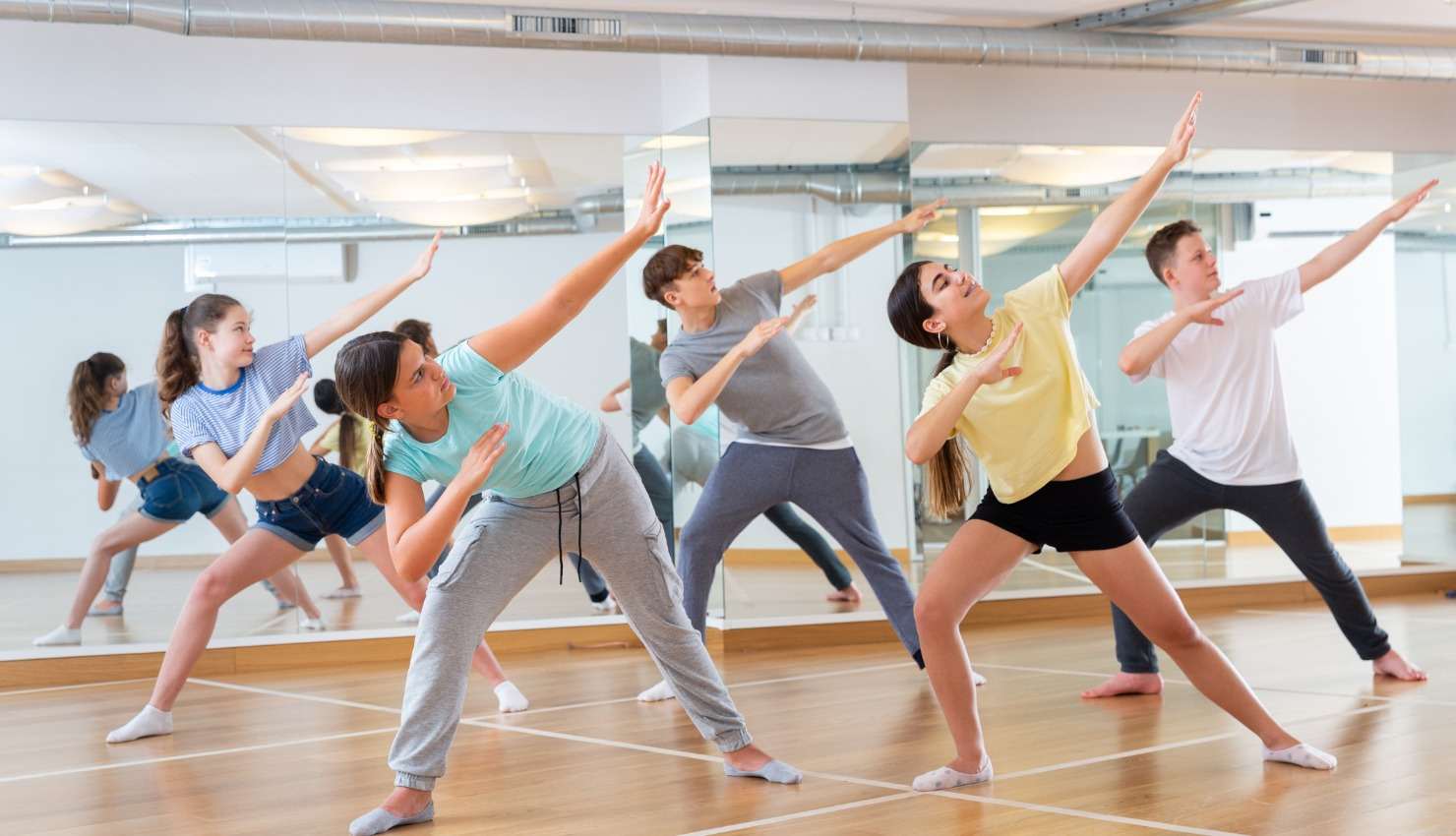
Professional dancers push their bodies to the limit day after day, performing complex movements that require flexibility, strength, balance, and endurance. With the intense demands of rehearsals and performances, its easy for a dancers body to become fatigued or overworked. Proper care and recovery are essential to ensure that dancers remain at their peak performance level. Physiotherapy plays a critical role in this process by offering exercises that enhance mobility, build strength, and prevent injury.
In this blog, we will explore the best physiotherapy exercises for professional performers to improve their overall performance, reduce the risk of injury, and recover faster after intense rehearsals.
Core Strengthening Exercises
A strong core is fundamental for maintaining stability, balance, and control in dance. Professional dancers rely on their core muscles to execute complex movements with precision, whether its maintaining posture during a pirouette or controlling their body during jumps and lifts. Core strengthening exercises are key to improving posture and alignment, which are essential in dance.
Planks
The plank is one of the most effective exercises to strengthen the entire core, including the abdominals, back, and shoulders. To perform a plank:
Lie on your stomach and lift your body off the floor, resting on your forearms and toes.
Keep your body in a straight line from head to toe.
Hold the position for 20-30 seconds, gradually increasing the time as you build strength.
Leg Raises
Leg raises specifically target the lower abdominals, which are crucial for maintaining stability during dance movements like leg lifts or jumps.
Lie flat on your back with your arms at your sides.
Slowly lift your legs off the floor while keeping them straight.
Lower your legs back down slowly, but avoid letting them touch the ground.
Repeat for 10-12 reps.
Russian Twists
This exercise strengthens the obliques and helps with rotational control, which is essential for movements like spins and turns.
Sit on the floor with your knees bent and feet flat.
Hold a medicine ball or weight in both hands.
Lean back slightly, lifting your feet off the floor if possible, and rotate your torso from side to side.
Complete 15-20 twists on each side.
Lower Body Strengthening Exercises
The lower body is the foundation of many dance movements, from jumps and leaps to lifts and squats. Strengthening the legs and glutes helps improve stability, power, and endurance, which are all vital for a dancers performance.
Squats
Squats build strength in the glutes, quads, and hamstrings, providing better control for movements like grand pliés in ballet or deep lunges in contemporary dance.
Stand with your feet shoulder-width apart.
Lower your body as if sitting back into a chair, keeping your knees aligned with your toes.
Push through your heels to return to standing.
Perform 3 sets of 12-15 reps.
Lunges
Lunges are excellent for improving balance and stability while strengthening the glutes and legs.
Stand with your feet hip-width apart.
Take a step forward with one leg and lower your body until both knees are bent at 90 degrees.
Push through the front foot to return to the starting position.
Repeat 10-12 times on each leg.
Bridges
Bridges activate the glutes, hamstrings, and lower back muscles, providing the necessary support for jumps, landings, and core stability.
Lie on your back with your knees bent and feet flat on the floor.
Press through your heels and lift your hips toward the ceiling, squeezing your glutes at the top.
Hold for a few seconds, then lower your hips back down slowly.
Perform 3 sets of 15 reps.
Flexibility and Mobility Exercises
Flexibility is crucial in dance for achieving graceful lines, deep stretches, and high extensions. Regular flexibility training prevents stiffness and maintains the range of motion required for fluid dance movements.
Hamstring Stretch
Tight hamstrings can limit a dancers flexibility, particularly when performing high kicks or deep lunges. To stretch the hamstrings:
Sit on the floor with one leg extended straight and the other leg bent.
Slowly reach forward toward the toes of the extended leg.
Hold for 20-30 seconds, then switch legs.
Perform 3 stretches on each leg.
Hip Flexor Stretch
Tight hip flexors are a common issue for dancers, especially those who perform repetitive leg movements. To stretch the hip flexors:
Step one foot forward into a lunge position.
Lower the back knee to the floor and press your hips forward to feel a stretch in the hip flexor of the extended leg.
Hold for 20-30 seconds on each side.
Cat-Cow Stretch
This dynamic stretch helps improve spinal mobility and warms up the lower back, which is essential for controlling movement in dance.
Start on all fours with your hands directly under your shoulders and knees under your hips.
Inhale as you arch your back, looking up (cow pose).
Exhale as you round your back, tucking your chin to your chest (cat pose).
Repeat the flow for 10-15 reps.
Balance and Proprioception Exercises
Balance is a critical component of dance, as it ensures control during turns, lifts, and floor work. Proprioception the bodys awareness of its position in space also plays a significant role in maintaining stability while performing.
Single-Leg Balance
Standing on one leg helps improve balance and strengthen the stabilizing muscles of the ankles and legs.
Stand on one leg, keeping your body aligned and your core engaged.
Hold the position for 20-30 seconds, then switch legs.
To increase difficulty, close your eyes or perform small movements while maintaining balance.
Balance Board or Bosu Ball Training
Training on an unstable surface, such as a balance board or Bosu ball, improves proprioception and enhances coordination.
Stand on the balance board or Bosu ball, keeping your feet shoulder-width apart.
Try to maintain balance for 30 seconds, gradually increasing the duration as you improve.
Pilates Roll-Ups
Pilates roll-ups help improve spinal articulation and strengthen the core while also requiring balance.
Lie on your back with your arms extended overhead.
Slowly roll up, one vertebra at a time, reaching toward your toes.
Slowly roll back down to the starting position.
Perform 8-10 repetitions.
Incorporating Recovery into Your Routine
In addition to strengthening and stretching exercises, its essential to incorporate recovery into your routine to prevent overuse injuries. Physiotherapists often recommend techniques such as foam rolling, massage therapy, and rest days to allow the muscles time to repair and rejuvenate.
Conclusion
For professional dancers, physiotherapy exercises are essential for maintaining peak performance, preventing injuries, and aiding in recovery. By incorporating these exercises into your training routine, youll improve flexibility, strength, balance, and mobility all of which are crucial for a dancers long-term success. Working with a physiotherapist ensures that the exercises are tailored to your specific needs, helping you stay at the top of your game and continue performing at your best.