The Best Physiotherapy Exercises for Recovery from Sports Injuries explores targeted strategies for recovery. Discover new paths to mobility, healing, and personalized care.

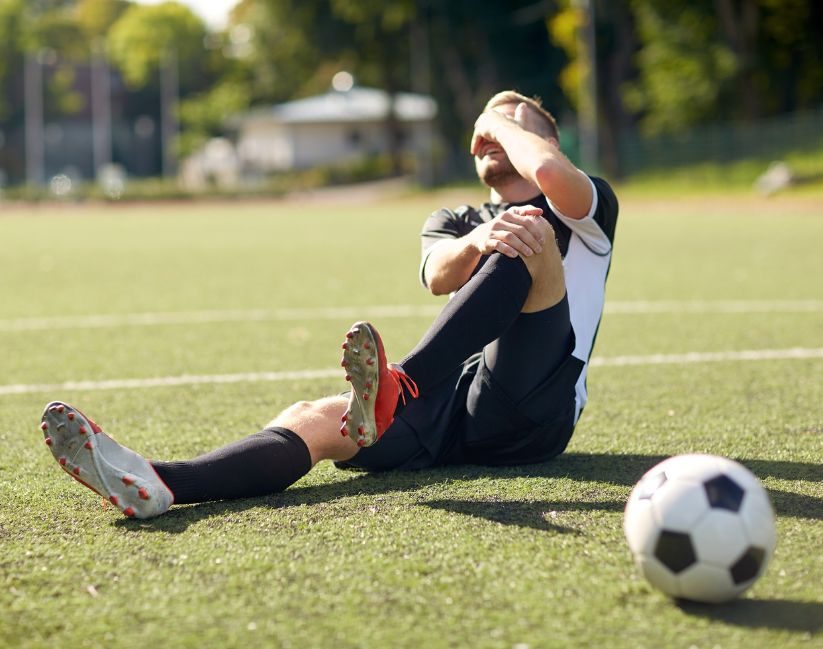
Recovering from a sports injury can be a challenging and frustrating journey, but with the right physiotherapy exercises, you can get back to your peak performance safely and effectively. Whether youve suffered a sprain, strain, fracture, or overuse injury, targeted physiotherapy plays a crucial role in accelerating healing, restoring function, and preventing future injuries.
At YourFormsUX, our physiotherapy programs are designed to guide you through every stage of recovery with exercises tailored to your specific injury and goals. In this blog, well explore some of the best physiotherapy exercises to aid recovery from common sports injuries and how they help rebuild strength, mobility, and confidence.
Why Physiotherapy Exercises are Essential in Sports Injury Recovery
After an injury, your body needs more than just rest. While rest is vital initially to reduce inflammation and pain, prolonged inactivity can lead to muscle weakness, joint stiffness, and reduced function. Physiotherapy exercises provide the controlled, progressive movement necessary to:
Promote healing: Gentle movements improve blood flow to injured tissues.
Restore range of motion: Prevent joint stiffness and maintain flexibility.
Rebuild strength: Target weakened muscles around the injury site.
Improve balance and coordination: Prevent compensatory patterns that cause further injury.
Enhance neuromuscular control: Retrain muscles to work efficiently.
Key Physiotherapy Exercises for Common Sports Injuries
Range of Motion Exercises
After injury, regaining joint mobility is the first priority. Exercises such as passive or active-assisted stretches help maintain and improve movement without straining healing tissues. For example, gentle shoulder pendulum swings after a rotator cuff injury or ankle circles after a sprain.
Strengthening Exercises
Once pain decreases and mobility improves, strengthening exercises target specific muscles to support the injured area. These often start with isometric contractions (muscle tensing without movement) and progress to isotonic exercises (moving weights or resistance bands).
Examples include:
Straight leg raises after knee injuries
Clamshell exercises for hip stability
Wrist curls for wrist and forearm rehabilitation
Proprioception and Balance Training
Balance and coordination can be impaired after injury. Exercises using balance boards or single-leg stands retrain the nervous system to react properly and stabilize joints, reducing reinjury risk.
Functional Training
As recovery advances, exercises mimic sport-specific movements to prepare you for a safe return. These might include controlled lunges, agility drills, or plyometrics tailored to your sports demands.
How YourFormsUX Personalizes Your Recovery Journey
Every sports injury is unique, and so is every athlete. At YourFormsUX, our physiotherapists perform detailed assessments to create customized exercise programs based on:
Injury type and severity
Stage of healing
Individual fitness level and goals
Sport-specific movement requirements
We closely monitor your progress, adjusting exercises as you improve to maximize recovery while minimizing setbacks.
Tips for Maximizing Your Physiotherapy Recovery
Follow your physiotherapists guidance carefully.
Dont rush the healing process; gradual progression is key.
Maintain good nutrition and hydration to support tissue repair.
Incorporate rest and sleep for optimal recovery.
Communicate openly with your physiotherapist about any pain or difficulties.
Why Choose YourFormsUX for Sports Injury Rehabilitation?
YourFormsUX in Canada offers expert physiotherapy care combining clinical expertise with compassionate support. Our goal is not just to heal your injury but to help you come back stronger, more resilient, and ready to enjoy your sport again.
We provide a supportive environment, evidence-based exercise protocols, and education to empower you throughout your recovery journey.