The Best Physiotherapy Stretches for Dancers explores targeted strategies for recovery. Discover new paths to mobility, healing, and personalized care.

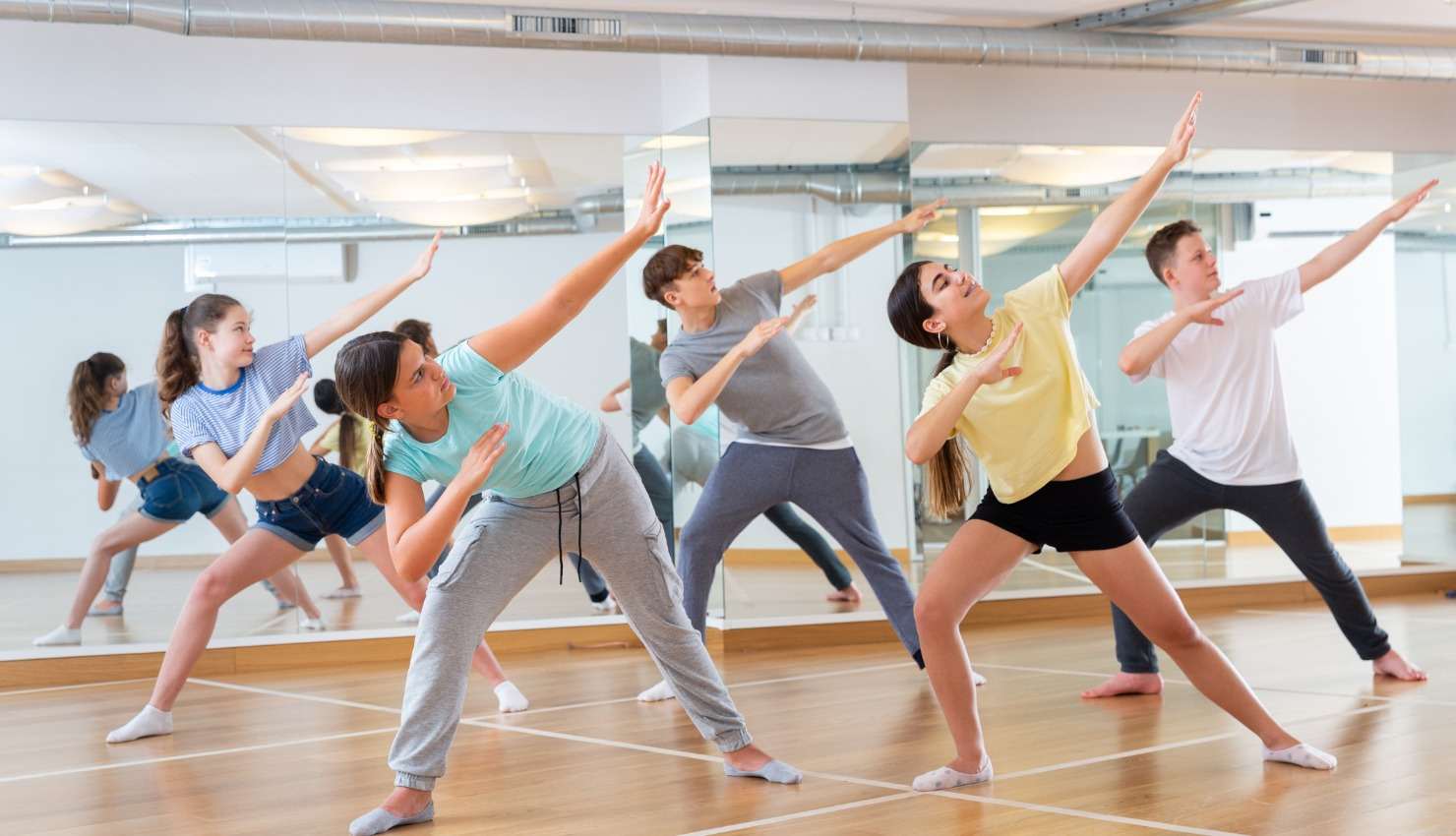
Hip Flexor Stretch (Lunge Stretch)
Why it matters: Prolonged turnout and high leg lifts can shorten the hip flexors. Tight hip flexors can cause lower back strain and limit extensions.
How to do it:
Step one leg forward into a lunge.
Keep the back knee on the ground and gently push your hips forward.
Raise your arms overhead to increase the stretch.
Hold for 30 seconds per side.
?? Tip: Keep your pelvis tucked to avoid arching the back.
?? 2. Hamstring Stretch (Physio Strap or Towel Stretch)
Why it matters: Flexible hamstrings are essential for high kicks, splits, and back extensions.
How to do it:
Lie on your back and loop a strap or towel around one foot.
Keep the opposite leg straight on the ground.
Gently pull the leg toward you without locking the knee.
Hold for 3045 seconds per leg.
?? Tip: Focus on keeping both hips grounded.
?? 3. Quadriceps Stretch (Side-Lying Quad Stretch)
Why it matters: Tight quads can strain the knees and reduce range in jumps and pliés.
How to do it:
Lie on your side and grab the top foot behind you.
Pull your heel toward your glutes while keeping your knees aligned.
Gently press your hip forward.
Hold for 30 seconds, then switch sides.
?? Tip: Avoid arching your lower backengage your core.
?? 4. Calf Stretch (Wall or Step Stretch)
Why it matters: Dancers rely on strong, supple calves for pointe work, relevés, and jumps.
How to do it (Wall Method):
Place hands on a wall.
Step one foot back and press the heel into the ground.
Bend the front knee and lean forward.
Hold for 30 seconds on each side.
?? Tip: Slightly bend the back knee to target the soleus (deeper calf muscle).
????? 5. Adductor Stretch (Frog or Seated Butterfly)
Why it matters: Flexible inner thighs improve turnout, split range, and side extensions.
Frog Stretch:
Get on hands and knees.
Slide knees apart while keeping shins aligned and ankles in line with knees.
Lower forearms to the floor.
Hold 30 seconds.
?? Tip: Keep the spine neutraldont sink into the lower back.
????? 6. Piriformis/Glute Stretch (Figure 4 Stretch)
Why it matters: Dancers often overuse their piriformis and glutes, leading to tightness or sciatic pain.
How to do it:
Lie on your back and cross one ankle over the opposite knee.
Grab behind the thigh and pull it toward you.
Feel the stretch in the glute of the crossed leg.
Hold 3045 seconds per side.
?? Tip: Keep both shoulders relaxed and down.
?? 7. Back and Spine Mobility (Cat-Cow + Thoracic Twist)
Why it matters: Healthy spinal mobility enhances port de bras, backbends, and fluid floor transitions.
Cat-Cow:
On hands and knees, alternate between arching and rounding your spine.
Move slowly with breath.
Repeat 1015 times.
Thoracic Twist:
In a side-lying position, open the top arm across the body into a gentle spinal twist.
Hold for 2030 seconds.
?? Tip: Keep the pelvis steady and let the movement come from the spine.
?? 8. Anterior Shoulder Stretch (Wall or Corner Stretch)
Why it matters: Dancers need shoulder flexibility for overhead arm movements and partnering work.
How to do it:
Stand in a doorway or corner with one arm outstretched.
Place your palm on the wall and gently rotate your torso away.
Hold for 2030 seconds.