The Best Physiotherapy Techniques for Hormonal Stress Relief explores targeted strategies for recovery. Discover new paths to mobility, healing, and personalized care.

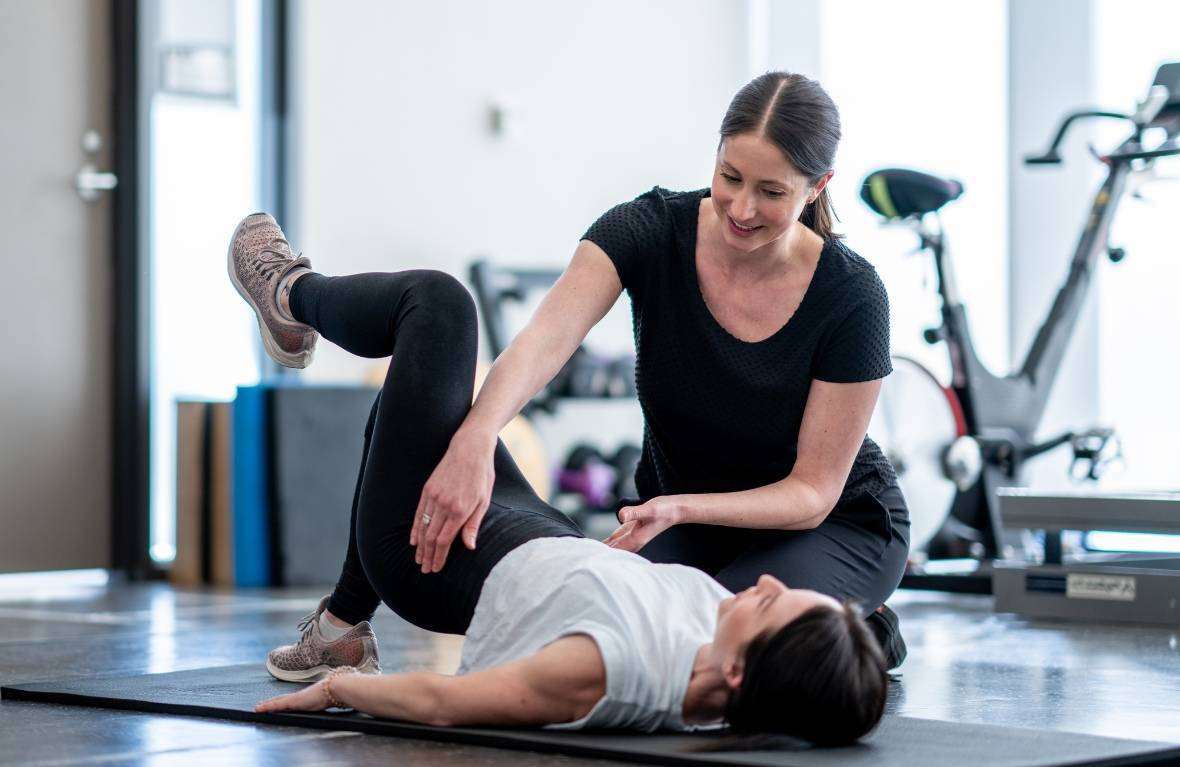
Hormonal fluctuations can be a major source of stress, anxiety, and mood instability for many women. Whether due to menstrual cycles, pregnancy, postpartum, or menopause, these hormonal changes affect not just your body but your mind too. Physiotherapy offers powerful, natural techniques to relieve hormonal stress, reduce tension, and promote emotional balancewithout relying solely on medication.
At YourFormsUX in Canada, we specialize in physiotherapy that supports womens hormonal health holistically. Lets explore some of the best physiotherapy techniques that help manage hormonal stress and restore your peace of mind.
How Hormonal Changes Cause Stress
Hormones such as estrogen, progesterone, and cortisol regulate mood and stress response. Imbalances or rapid fluctuations can increase anxiety, irritability, and feelings of overwhelm. This stress, in turn, affects hormone production, creating a feedback loop that can be hard to break.
Top Physiotherapy Techniques for Hormonal Stress Relief
1. Manual Therapy and Myofascial Release
These hands-on techniques reduce muscle tension and improve circulation. Releasing tight muscles helps the nervous system shift from a stressed state to relaxation, easing both physical and emotional tension.
2. Breathing and Relaxation Exercises
Deep, diaphragmatic breathing activates the parasympathetic nervous systemthe bodys natural rest and digest mode. Physiotherapists teach breathing patterns that reduce cortisol levels and calm anxiety.
3. Gentle Movement and Stretching
Yoga-inspired stretches and mobility exercises increase blood flow and release endorphins, natural mood boosters. Movement also helps regulate hormones and improves sleep quality.
4. Pelvic Floor Therapy
Since the pelvic floor is closely linked to core stability and nervous system function, releasing pelvic tension through specialized physiotherapy can reduce stress-related symptoms and enhance emotional well-being.
5. Postural Alignment and Ergonomics
Poor posture can contribute to muscle tension and stress. Physiotherapy corrects postural imbalances, improving comfort and reducing physical stress that exacerbates hormonal mood swings.
Why These Techniques Work
These physiotherapy methods work by targeting both the physical symptoms and the nervous system pathways that are affected by hormonal changes. They promote relaxation, improve circulation, and encourage a balanced hormonal environment.
Personalizing Treatment at YourFormsUX
Every womans hormonal stress experience is unique. YourFormsUX physiotherapists assess your individual needs and craft personalized treatment plans combining these techniques to maximize stress relief and hormonal balance.
Additional Benefits of Physiotherapy for Hormonal Stress
Enhanced sleep quality
Improved energy levels
Reduced pain and discomfort
Greater emotional resilience
Final Thoughts
Managing hormonal stress doesnt have to be overwhelming. With the right physiotherapy techniques, you can reclaim calm, balance, and well-being naturally.
If youre feeling overwhelmed by hormonal stress, YourFormsUX in Canada is here to help. Reach out to us and discover how physiotherapy can support your mind and body through every hormonal shift.