Discover the wide-ranging benefits of chiropractic care for pain relief, mobility, and whole-body wellness.

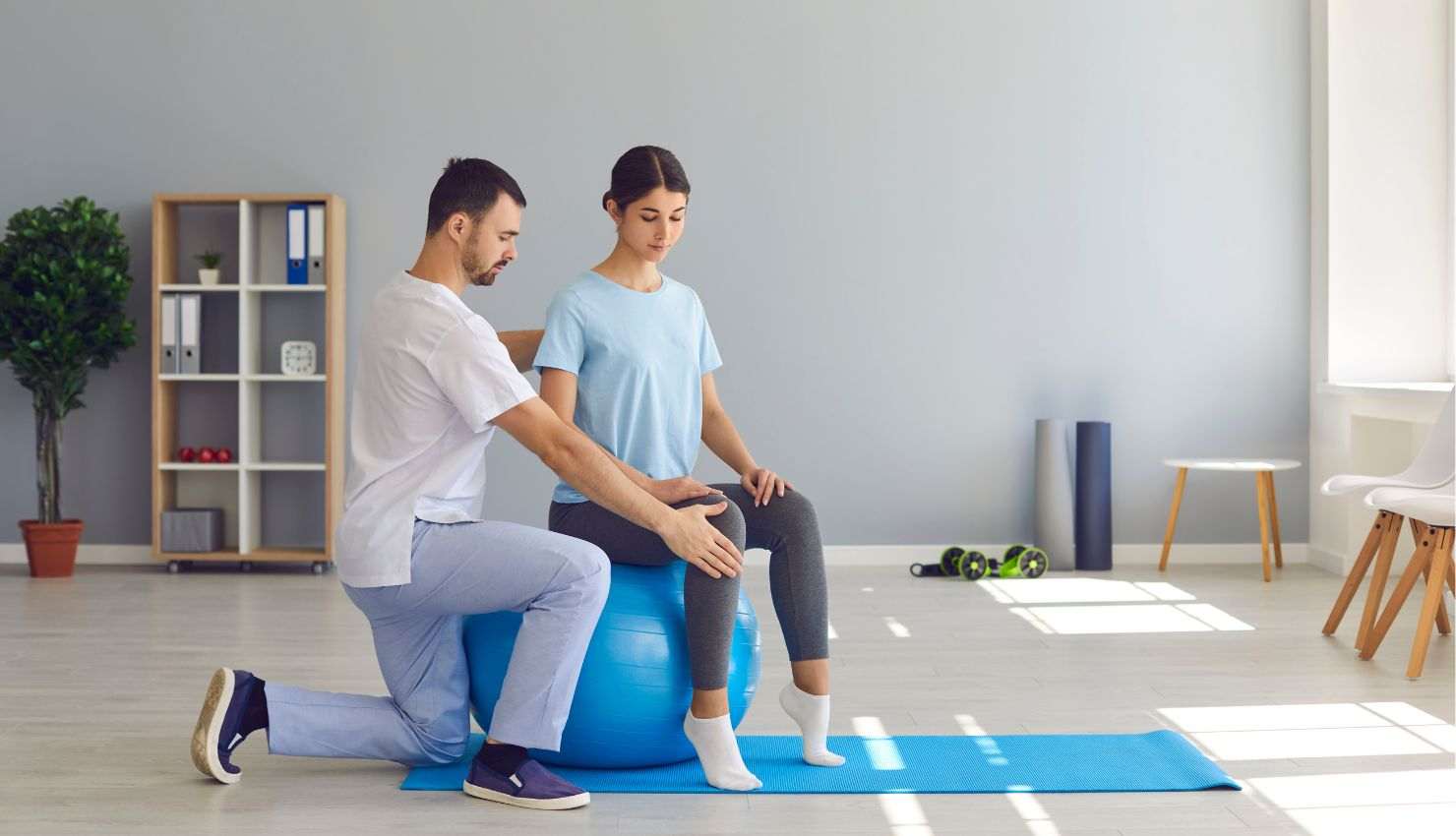
Lets talk posture because slouching isnt just a bad habit, its a silent saboteur of your mobility and comfort. Whether you’re working long hours at a desk, gaming into the night, or just trying to move better day-to-day, good posture is the foundation of a healthy body.
But heres the thing: bad posture isn’t just about how you sit or stand its also about how your muscles and joints are functioning together. Thats where physiotherapy steps in with some seriously powerful techniques to help you stand taller, move easier, and feel better.
Lets dive into the best physiotherapy techniques that can literally help you straighten up and get moving.
1. Postural Assessment and Movement Analysis
Before anything, a good physio starts with the basics: how do you stand, sit, and move? Theyll watch how your body behaves spotting imbalances, misalignments, and movement restrictions.
This helps them create a personalized plan because when it comes to posture, one-size-fits-none.
2. Manual Therapy (Hands-On Magic)
Manual therapy includes gentle joint mobilizations, soft tissue massage, and spinal adjustments. Its designed to:
Release tight muscles
Improve joint movement
Reduce stiffness and pain
If your back feels like its made of cement after a long day, manual therapy can work wonders.
3. Stretching and Mobility Work
Targeted stretching isnt just about touching your toes its about releasing tension in areas that pull your body out of alignment. Your physio may focus on:
Hip flexors (a big culprit in poor posture)
Chest and shoulders (for desk-bound folks)
Hamstrings and calves (to ease lower back strain)
Mobility drills help loosen up joints and improve your movement range, making everyday tasks from tying shoes to turning your head while driving a lot easier.
4. Strengthening the Right Muscles
Posture and mobility issues often come from weakness in key areas. A physio will guide you through exercises to build strength in:
Core muscles (your natural stabilizers)
Glutes (important for walking and standing tall)
Mid and upper back muscles (for upright posture)
These aren’t just gym workouts theyre precise, purposeful exercises designed to train your body to move and hold itself better.
5. Neuromuscular Re-education
Sounds technical, right? But this technique is all about retraining your brain and body to communicate better. It involves gentle movements and cues to help you feel proper alignment helping your body remember how good posture should feel, not just look.
6. Posture Taping and Support
In some cases, a physiotherapist may use kinesiology tape or posture braces as a short-term solution. These tools act as gentle reminders to maintain correct alignment as you build strength and awareness.
7. Education & Daily Habit Coaching
Physios dont just treat they teach. Youll learn how to sit at your desk, adjust your screen height, position your feet, and even breathe better. These small tweaks in your daily life add up to big posture wins.
?? Bonus: Mind-Body Techniques
Some physiotherapists incorporate techniques from yoga, Pilates, or mindfulness to improve body awareness. These can be a great addition to a well-rounded posture and mobility routine.
Small Shifts, Big Results
Improving your posture and mobility isnt about overnight transformations its about steady, strategic improvements. Physiotherapy helps you move with more freedom, feel more energized, and even breathe easier (yep, posture affects that too!).
So whether youre a desk warrior, an athlete, or just tired of nagging aches theres a physiotherapy technique out there ready to help you straighten up and thrive. ??