Knee pain can be a real pain in the well, knee. Whether its from an old injury, too much weekend warrior action, or just wear and tear over time, that nagging discomfort can seriously interfere with daily life.

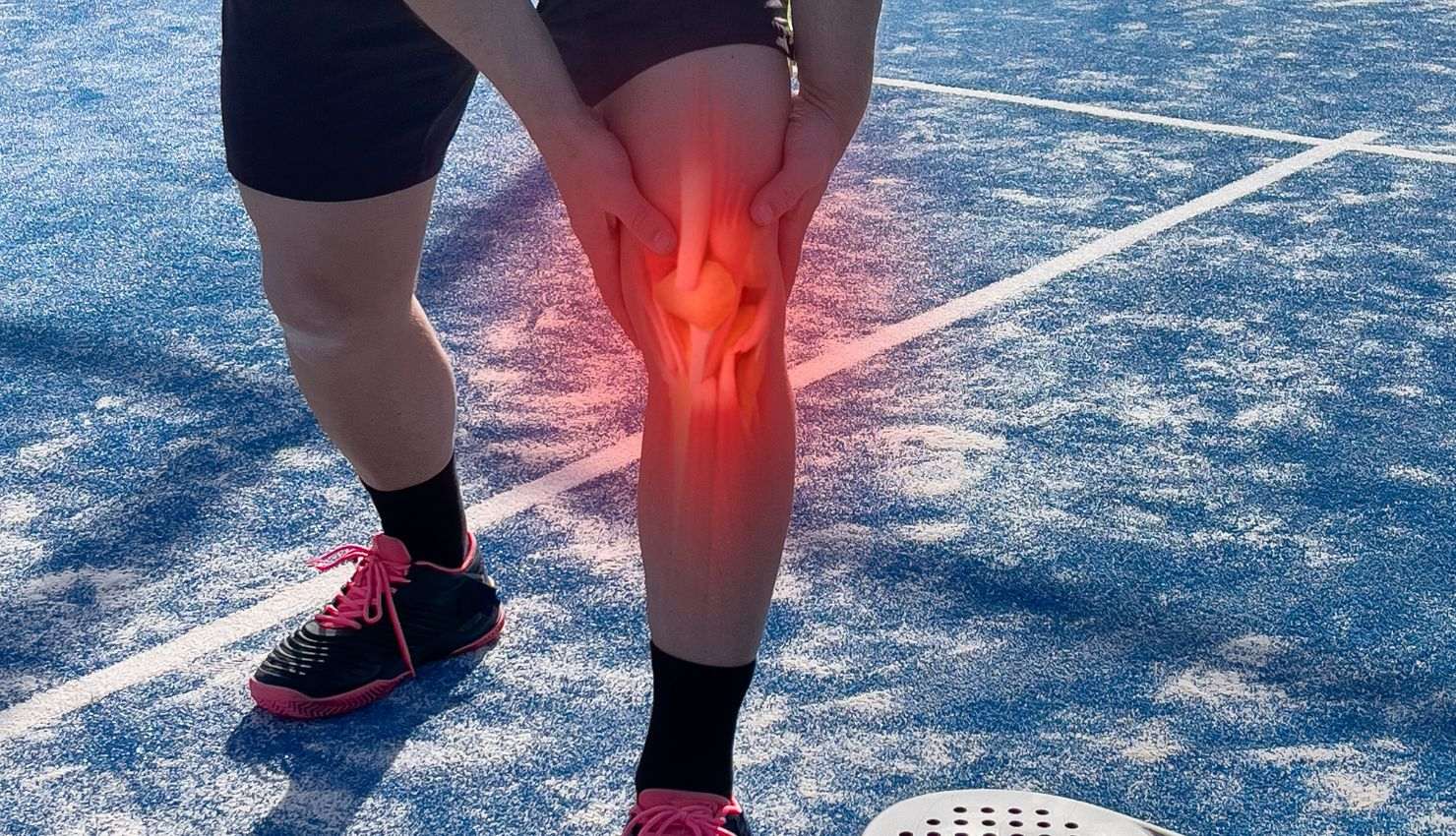
Knee pain can be a real pain in the well, knee. Whether its from an old injury, too much weekend warrior action, or just wear and tear over time, that nagging discomfort can seriously interfere with daily life. The good news? Physiotherapy offers some of the most effective and lasting solutions to help you move freely againwithout relying solely on painkillers or considering surgery right away.
Heres a rundown of the best physiotherapy treatments that can help you kiss that knee pain goodbye.
1. Manual Therapy Hands-On Healing
Think of this as a good, therapeutic reset for your knee joint. Manual therapy involves hands-on techniques performed by a physiotherapist to mobilize joints, reduce stiffness, and improve range of motion. It can also help with swelling and realign soft tissues so your knee moves betterand feels better.
Best for: Early-stage arthritis, post-injury stiffness, general knee discomfort.
2. Tailored Exercise Programs
Forget the one-size-fits-all approach. A personalized exercise program can work wonders. Your physiotherapist will assess your strength, flexibility, and movement patterns, then guide you through stretches and strengthening exercises designed to:
Support the muscles around the knee (especially the quads and hamstrings)
Improve joint stability
Reduce the load on the knee
Best for: ACL recovery, meniscus injuries, patellofemoral pain syndrome, and long-term knee pain.
3. Taping and Bracing Techniques
This isnt just for athletes! Kinesiology taping or soft braces can help relieve pressure, improve alignment, and offer added support during physical activity. Its often used in combination with other therapies to maximize results.
Best for: Patellar tracking issues, ligament support, and pain during movement.
4. Dry Needling
No, its not acupuncturebut it does involve tiny needles. Dry needling targets tight muscle knots and trigger points around the knee joint. When done by a qualified physiotherapist, it can help reduce muscle tension and promote faster healing.
Best for: Chronic knee pain, tight quads or IT bands, and myofascial pain syndrome.
5. Ultrasound & Electrotherapy
These advanced modalities might sound high-tech (and they are), but theyre safe, non-invasive tools used in many physiotherapy clinics. Therapeutic ultrasound uses sound waves to stimulate tissue healing, while electrotherapy (like TENS or IFC) helps reduce pain signals and improve circulation.
Best for: Post-surgery recovery, inflammation, and early-stage rehab.
6. Gait & Posture Correction
Sometimes, knee pain is just the symptompoor movement habits are the root cause. Physiotherapists often assess your walking, running, and even standing posture to correct imbalances that put strain on your knees. With some guided training and awareness, small adjustments can make a big difference.
Best for: Repetitive strain injuries, runners, and those with flat feet or misalignments.
Dont Wait on Pain
Knee pain isnt something you just have to live with. The sooner you address it, the better your outcomes will be. Physiotherapy not only provides relief but empowers you with the tools and knowledge to prevent it from coming back.
So whether youre struggling to climb stairs, hit the gym, or simply keep up with your daily routineknow that effective, targeted treatment is just a few sessions away.
Talk to your physiotherapist and take the first step toward stronger, pain-free knees!