Set Up an Ergonomic Workstation Even if you dont have a full office setup, small adjustments make a big difference.

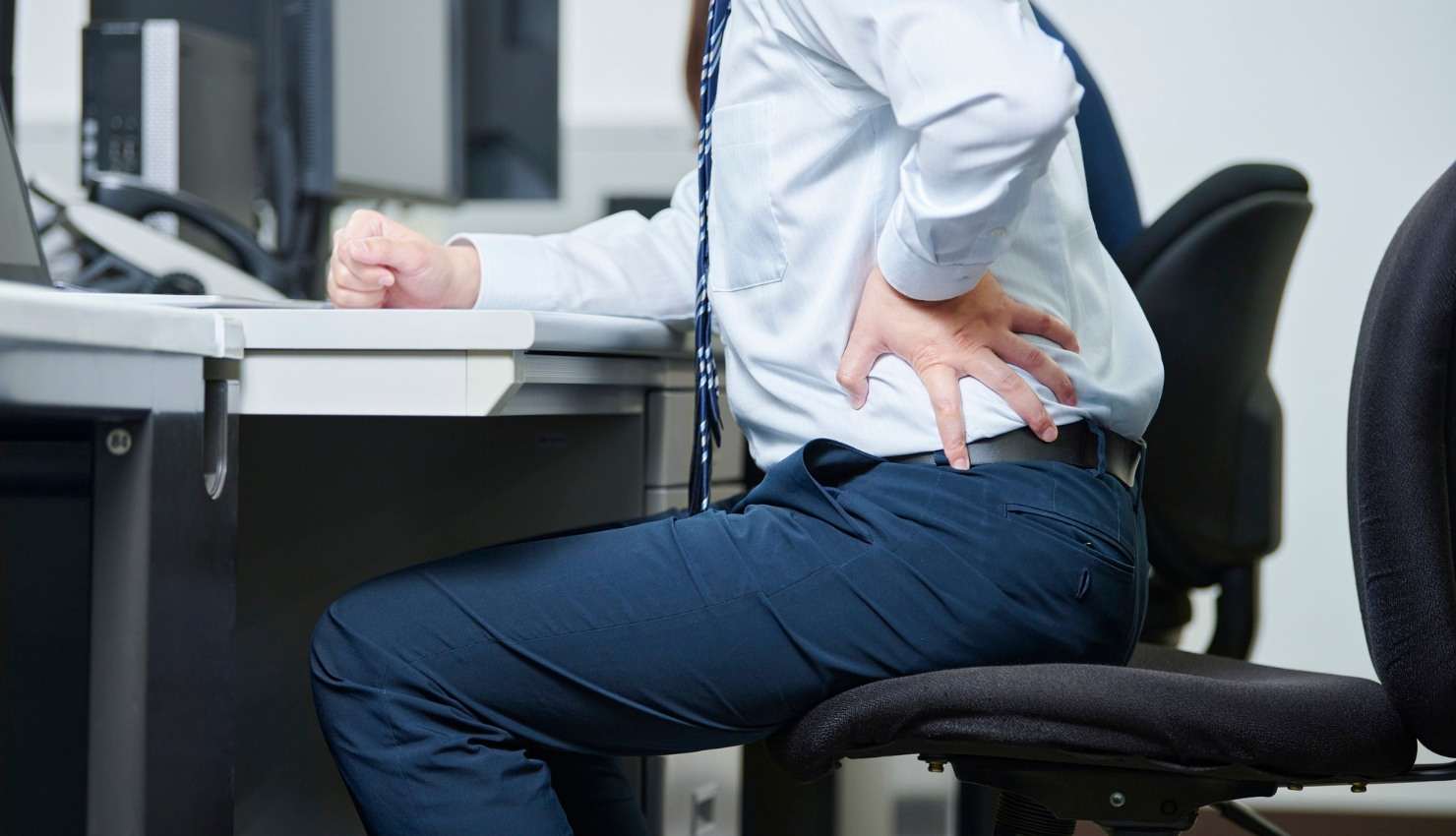
Set Up an Ergonomic Workstation
Even if you dont have a full office setup, small adjustments make a big difference.
Chair: Your hips should be slightly higher than your knees; use a cushion if needed.
Back support: Add a lumbar pillow or rolled-up towel for lower back support.
Feet: Keep them flat on the floor or use a footrestavoid dangling legs.
Monitor height: Top of the screen should be at eye level to prevent neck strain.
Keyboard/mouse: Elbows should be at 90°; keep wrists straight and relaxed.
?? Your setup should supportnot fightyour natural body alignment.
????? 2. Check Your Posture Every Hour
Heres a quick self-check:
Ears over shoulders
Shoulders over hips
Elbows close to your body
Back straightnot rounded or arched
Feet grounded, not tucked or crossed
?? Use phone alarms or posture apps to remind you to realign every 3060 minutes.
?? 3. Use the 909090 Rule
A simple golden rule for seated posture:
90° at hips
90° at knees
90° at elbows
? This helps keep muscles balanced and reduces joint strain.
?? 4. Switch Positions Often
Even perfect posture becomes problematic if held too long.
Alternate between sitting and standing throughout the day
Use a standing desk or laptop riser if available
Try kneeling or reclining briefly if sitting is uncomfortable
Shift your weight or change sitting surfaces occasionally
?? Movement is more important than one “ideal” posture.
????? 5. Stretch and Move Every Hour
Regular micro-breaks improve posture awareness and physical well-being.
Stand up and stretch for 23 minutes every hour
Do shoulder rolls, chin tucks, and spinal twists
Try quick desk yoga or walk around the room
?? Set calendar alerts or use the Pomodoro method (25/5-minute work/break cycles).
?? 6. Engage Your Core and Postural Muscles
Strengthening the muscles that support your spine helps maintain good posture naturally.
Try these desk-friendly exercises:
Chin tucks for forward head posture
Shoulder blade squeezes to open the chest
Seated pelvic tilts to activate core muscles
Wall angels to improve shoulder alignment
?? Better strength = better posture with less effort.
?? 7. Watch Your Tech Use
Tech posture = slouching, craning, and straining.
Raise laptops or use external monitors
Hold phones at eye level instead of looking down
Use voice typing or headsets to avoid text neck
Avoid working from bed or couches without support
?? Ergonomics applies to your devices, not just your desk!
?? Bonus Tip: Practice Postural Mindfulness
When you feel discomfort or fatigue, check your posture before anything else. This habit trains your body to stay in better alignment over time.
?? Use sticky notes with posture cues or posture-correcting wearables if needed.
?? Quick Fix Summary
Issue Quick Fix
Neck strain Raise screen to eye level
Rounded shoulders Do 10 shoulder blade squeezes
Slumping lower back Add lumbar support
Wrist tension Use wrist support and an external mouse
Hip/knee discomfort Adjust chair height or use a footrest