Hip pain can be caused by a variety of factors, such as muscle tightness, overuse, arthritis, or injury. One of the best ways to alleviate hip pain is through stretching, which helps release tension, increase flexibility, and improve range of motion in the hip area.

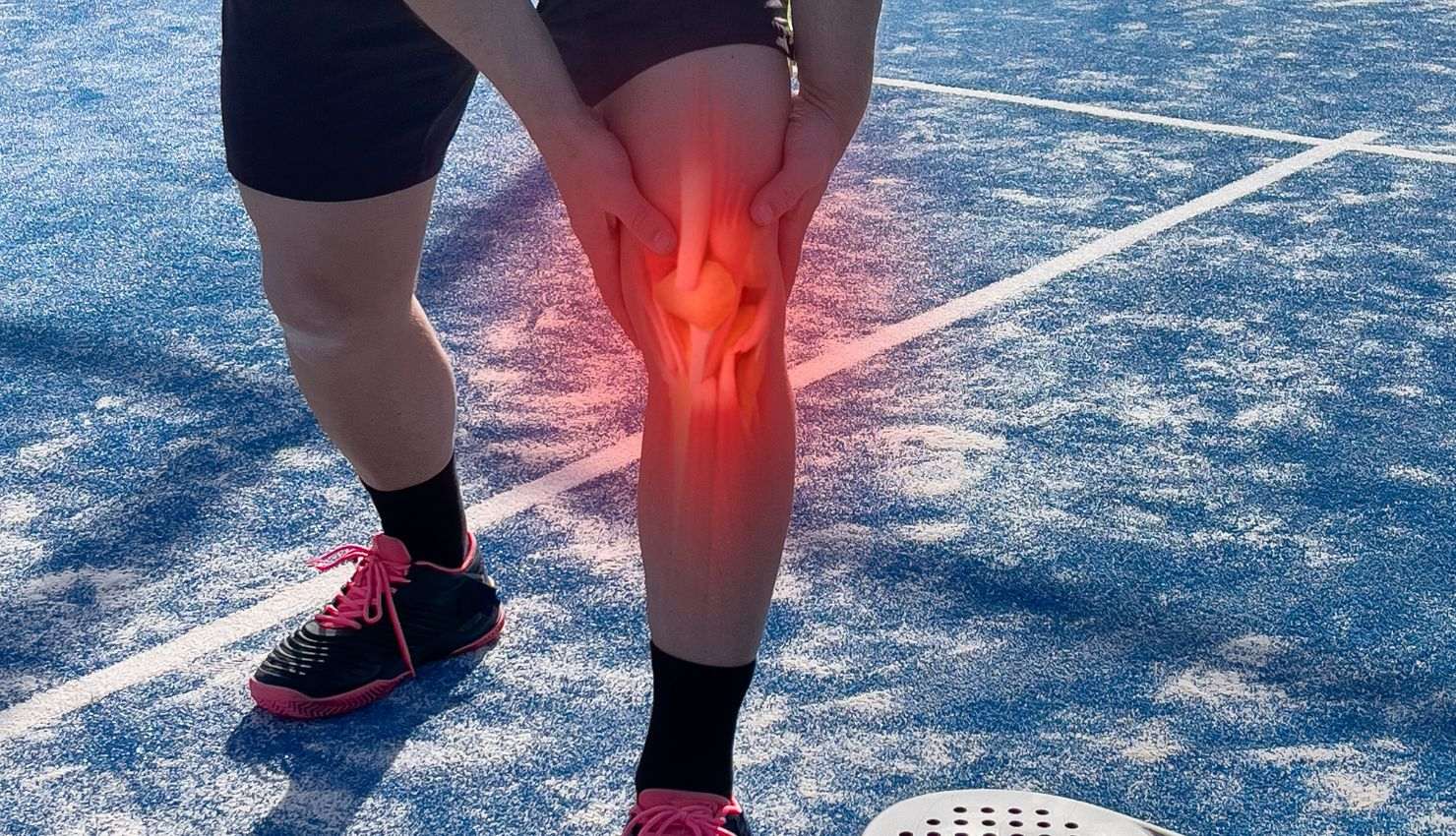
Hip pain can be caused by a variety of factors, such as muscle tightness, overuse, arthritis, or injury. One of the best ways to alleviate hip pain is through stretching, which helps release tension, increase flexibility, and improve range of motion in the hip area. Here are some of the best stretches to help relieve hip pain:
1. Hip Flexor Stretch
The hip flexors are often tight due to prolonged sitting or inactivity, which can contribute to hip pain.
How to Do It:
Start in a kneeling position, with one knee on the floor and the other foot in front, forming a 90-degree angle with your knee.
Shift your hips forward slightly to feel a stretch in the front of the hip on the leg that is kneeling.
Hold the stretch for 20-30 seconds, then switch sides.
Benefits:
Relieves tension in the hip flexors, which are often a culprit in hip pain.
2. Figure Four Stretch
The figure-four stretch targets the glutes, hip abductors, and the muscles around the hip joint, which can help relieve tension and discomfort.
How to Do It:
Lie on your back with your knees bent and feet flat on the floor.
Cross one ankle over the opposite knee, forming a figure-four shape with your legs.
Gently pull the uncrossed leg toward your chest, feeling a stretch in the hip and glute area.
Hold the stretch for 20-30 seconds, then switch sides.
Benefits:
Targets the piriformis and glutes, helping to alleviate deep hip and lower back pain.
3. Pigeon Pose (Seated or Reversed)
Pigeon pose is a great yoga stretch that targets the hip flexors, glutes, and outer hip area, offering relief from tightness and discomfort.
How to Do It:
Start in a tabletop position on your hands and knees.
Bring one knee forward and place it behind your wrist, with your ankle near your opposite hip.
Extend the opposite leg behind you, keeping the hips square.
Slowly lower your upper body to the floor, using your forearms or chest for support.
Hold the position for 30 seconds to 1 minute, then switch sides.
Benefits:
Stretches the hip flexors, glutes, and lower back, which can help reduce hip pain.
4. Butterfly Stretch
The butterfly stretch targets the inner thighs and groin area, which can often become tight and contribute to hip pain.
How to Do It:
Sit on the floor with your back straight and your feet together.
Bring your feet as close to your pelvis as possible and gently press your knees towards the floor with your elbows.
Hold the stretch for 20-30 seconds, feeling a stretch in your groin and hips.
Benefits:
Stretches the hip adductors and groin muscles, which can ease hip pain caused by tightness in these areas.
5. Knee to Chest Stretch
This is a simple and effective stretch for relieving tension in the lower back and hips, which can both contribute to hip pain.
How to Do It:
Lie on your back with both knees bent and feet flat on the floor.
Bring one knee toward your chest, holding it with both hands.
Keep the other foot planted on the floor, and gently pull the knee toward your chest, feeling a stretch in your lower back and hip.
Hold for 20-30 seconds, then switch legs.
Benefits:
Releases tension in the lower back and hip flexors, offering relief from hip pain.
6. Lunge with a Twist
This stretch helps open up the hip flexors and engages the spine and lower back for a full-body stretch.
How to Do It:
Begin in a standing position and take a large step forward with one leg, lowering your hips into a lunge.
As you lunge, twist your torso toward the leg that is in front, reaching your opposite arm to the sky.
Hold for 20-30 seconds, then switch sides.
Benefits:
Opens the hips and strengthens the muscles surrounding the hip joint, helping to relieve pain and improve mobility.
7. Lying Hip Rotator Stretch
This stretch targets the hip rotators and can help alleviate pain from muscle tightness and poor posture.
How to Do It:
Lie on your back with both knees bent and feet flat on the floor.
Cross one ankle over the opposite knee to form a figure four with your legs.
Gently press the crossed knee away from your body, or you can reach through your legs to pull the opposite thigh closer to your chest for a deeper stretch.
Hold for 20-30 seconds, then switch sides.
Benefits:
Targets the hip rotators, reducing tightness and discomfort.
8. Hip Circles
Hip circles help increase the range of motion and flexibility in the hip joints, which can help reduce stiffness and pain.
How to Do It:
Stand with your feet hip-width apart and place your hands on your hips.
Slowly rotate your hips in a circular motion, first clockwise and then counterclockwise.
Perform 10-15 circles in each direction.
Benefits:
Improves hip mobility and helps lubricate the hip joint, reducing pain caused by stiffness.
9. Standing Quad Stretch
Tight quads can affect the hip flexors and contribute to hip pain. This stretch targets the front of the hip and thigh.
How to Do It:
Stand with your feet hip-width apart.
Bend one knee and grab your ankle with the same-side hand.
Gently pull your foot toward your buttocks while keeping your knees together.
Hold the stretch for 20-30 seconds, then switch sides.
Benefits:
Stretches the quadriceps and hip flexors, helping to alleviate pain from tight muscles.
10. Bridge Pose
The bridge pose activates the glutes, hamstrings, and lower back, which can help stabilize the hip joint and relieve pain.
How to Do It:
Lie on your back with your knees bent and feet flat on the floor.
Place your feet hip-width apart and press your feet into the ground as you lift your hips towards the ceiling.
Squeeze your glutes at the top of the movement and hold for 5-10 seconds.
Slowly lower your hips back to the floor and repeat 10-15 times.
Benefits:
Strengthens the glutes and lower back, providing support for the hip joint and alleviating pain.
Conclusion
Regular stretching is an excellent way to relieve hip pain, especially when combined with proper rest, activity modification, and strengthening exercises. Always listen to your body while stretching; avoid overstretching or forcing yourself into uncomfortable positions. If your hip pain persists or worsens, its important to consult with a healthcare professional or physiotherapist to identify the underlying cause and develop a comprehensive treatment plan.
Tools