A muscle strain, commonly known as a pulled muscle, occurs when the muscle fibers are overstretched or torn due to excessive force, overuse, or sudden movements. Muscle strains can happen during sports activities, heavy lifting, or even through simple daily activities.

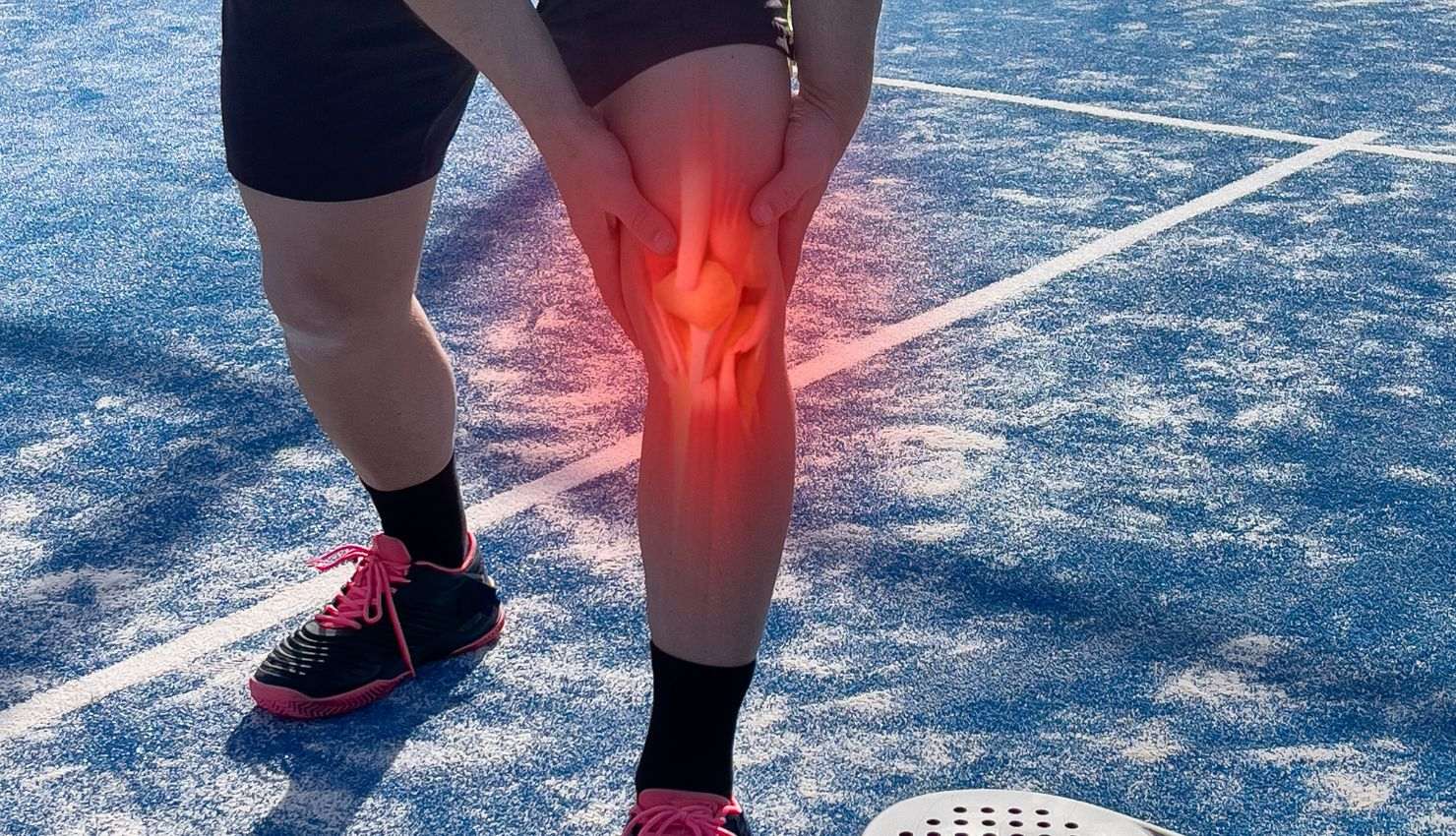
A muscle strain, commonly known as a pulled muscle, occurs when the muscle fibers are overstretched or torn due to excessive force, overuse, or sudden movements. Muscle strains can happen during sports activities, heavy lifting, or even through simple daily activities. The symptoms include pain, swelling, weakness, and limited mobility in the affected area. While muscle strains typically heal with rest, physiotherapy is an essential part of the recovery process. Physiotherapy not only helps alleviate pain and inflammation but also promotes muscle healing, restores mobility, and prevents future injuries.
Heres how physiotherapy can effectively treat muscle strains:
### **1. Pain Management and Inflammation Control**
One of the primary goals of physiotherapy for muscle strains is to manage pain and reduce inflammation in the affected area. Early intervention with pain relief strategies helps patients regain mobility and reduce discomfort during the healing process.
#### **Techniques for Pain and Inflammation Control:**
* **Ice Therapy (Cryotherapy)**: Ice is applied to the injured muscle to reduce swelling and numb the pain, especially during the first 48 hours after the injury. This helps to control acute inflammation and provides temporary pain relief.
* **Heat Therapy**: Once the initial swelling subsides, heat therapy is applied to the affected muscle to promote blood circulation, relax the muscles, and alleviate stiffness.
* **Compression**: Compression bandages or wraps help reduce swelling and provide support to the injured area. Compression assists in controlling the inflammation and stabilizing the muscle during the healing process.
* **Elevation**: Elevating the injured area can help reduce swelling by allowing fluids to drain away from the muscle, particularly in the lower extremities.
These techniques are often used together in the early stages of recovery to control pain and swelling.
—
### **2. Restoring Range of Motion (ROM)**
A muscle strain can lead to stiffness and limited range of motion, making it difficult to move the affected muscle or joint. Restoring normal ROM is critical for the muscles recovery and for returning to daily activities.
#### **How Physiotherapy Restores ROM:**
* **Gentle Stretching**: Physiotherapists introduce gentle stretching exercises to improve the flexibility of the injured muscle and surrounding tissues. These stretches help relieve tightness and restore mobility without overstretching the healing fibers.
* **Active and Passive ROM Exercises**: Initially, passive range-of-motion exercises (where the physiotherapist moves the muscle) are used to keep the joint or muscle moving while minimizing strain. As the muscle heals, active ROM exercises are introduced, where the patient engages the muscle to move it through its range of motion.
* **Joint Mobilization**: If the muscle strain affects a joint (for example, a hamstring injury affecting the hip), joint mobilizations may be used to help restore movement and alleviate stiffness in the affected area.
Improving ROM not only reduces pain but also allows the muscle to return to its normal function.
—
### **3. Muscle Strengthening**
After the acute pain and inflammation subside, physiotherapy focuses on rebuilding the strength of the affected muscle. Muscle weakness is common after a strain due to deconditioning, and strengthening exercises are essential for restoring full function.
#### **How Strengthening Helps with Muscle Recovery:**
* **Rebuilding Muscle Strength**: The physiotherapist will design a progressive strengthening program to help rebuild muscle strength and support the healing process. This prevents muscle imbalances and helps the injured muscle regain its full capacity.
* **Preventing Muscle Atrophy**: Without adequate use, muscles can weaken and shrink. Physiotherapy helps prevent atrophy by gradually introducing strength-building exercises.
* **Improving Stability**: Strengthening the muscles around the injured area helps stabilize the joint and prevent further strain or injury, reducing the risk of re-injury.
#### **Strengthening Exercises:**
* **Isometric Exercises**: These exercises involve contracting the muscle without movement. Isometric exercises are beneficial during the early recovery stages when the muscle may not tolerate movement yet.
* **Resistance Training**: Once the muscle has regained some strength, progressive resistance exercises using weights or resistance bands help build muscle strength while minimizing strain on the healing tissue.
* **Functional Exercises**: Physiotherapists incorporate functional exercises that mimic real-life movements (like squatting, lunging, or lifting), helping the patient regain the ability to perform daily tasks.
—
### **4. Manual Therapy and Soft Tissue Mobilization**
Manual therapy techniques can be used by physiotherapists to help release tension in the muscle, improve circulation, and break down any scar tissue or adhesions that might form as the muscle heals.
#### **Manual Therapy Techniques for Muscle Strains:**
* **Massage Therapy**: Soft tissue massage can help reduce muscle tightness, improve circulation, and promote healing by improving blood flow to the affected area.
* **Myofascial Release**: This technique targets the fascia (the connective tissue surrounding muscles) to release tightness and improve mobility in the affected muscle and surrounding tissues.
* **Trigger Point Therapy**: Trigger point therapy involves applying pressure to specific areas of muscle tightness, known as knots, to relieve discomfort and improve muscle function.
These techniques help reduce pain, enhance tissue healing, and prevent muscle stiffness from developing.
—
### **5. Proprioception and Neuromuscular Re-education**
Muscle strains can impair proprioceptionthe bodys ability to sense the position and movement of muscles and joints in space. This can lead to altered movement patterns and an increased risk of re-injury. Physiotherapists use proprioception and neuromuscular re-education techniques to restore the bodys awareness and coordination.
#### **How Proprioception Training Helps:**
* **Balance Exercises**: Exercises like standing on one leg or using a balance board help retrain the brain and muscles to work together, improving joint stability and reducing the risk of falls or further injuries.
* **Coordination Exercises**: Activities that involve controlled movements or complex patterns (e.g., agility drills) improve motor control and help the body relearn how to move correctly without overloading the injured muscle.
* **Dynamic Stability**: Physiotherapists may guide patients through functional movements (like walking or climbing stairs) to improve neuromuscular control and restore the proper function of the muscle.
Restoring proprioception helps ensure that the body can move correctly and efficiently, which is essential for reducing the risk of re-injury.
—
### **6. Education and Activity Modification**
Physiotherapists also provide education on activity modification, allowing patients to gradually return to their regular activities while avoiding movements that could strain the injured muscle.
#### **How Education Helps with Recovery:**
* **Pacing Activities**: Physiotherapists help patients pace their activities to avoid overexertion and ensure the muscle heals properly without reinjury.
* **Ergonomics and Posture**: Guidance on proper posture and body mechanics helps prevent future strain on the affected muscle. For example, people with lower back strains may be taught how to lift objects correctly to avoid stressing the muscles of the lower back.
* **Activity Modifications**: Physiotherapists provide advice on alternative activities that are less likely to irritate the injured muscle, such as swimming or cycling for a strained leg or shoulder.
This education helps patients manage their recovery and reduce the risk of overuse injuries in the future.
—
### **7. Gradual Return to Exercise and Sports**
Once the muscle has healed sufficiently, physiotherapy helps patients return to exercise and sports safely. Returning too soon or too aggressively can risk re-injury, so physiotherapists guide patients through a progressive rehabilitation program designed to prevent overuse or strain on the healing muscle.
#### **How Physiotherapy Supports a Safe Return to Activity:**
* **Gradual Progression**: Physiotherapists create individualized exercise plans that progressively increase the intensity and duration of activity, ensuring that the muscle is adequately prepared for the demands of exercise or sport.
* **Sport-Specific Rehabilitation**: For athletes, physiotherapists design rehabilitation programs that incorporate sport-specific movements, strengthening exercises, and agility drills to ensure a smooth return to the sport.
* **Monitoring Progress**: Throughout rehabilitation, physiotherapists monitor the progress of muscle healing, adjusting exercises and intensity as needed to avoid overloading the muscle.
—
### **8. Preventing Future Muscle Strains**
One of the goals of physiotherapy is to prevent future injuries by addressing the underlying causes of muscle strains, such as muscle imbalances, poor posture, or improper movement patterns.
#### **How Physiotherapy Prevents Future Strains:**
* **Strengthening Weak Areas**: Physiotherapists identify any muscle imbalances or weaknesses that contributed to the strain and provide exercises to correct them, reducing the likelihood of re-injury.
* **Stretching and Flexibility**: Ongoing stretching and flexibility exercises improve the range of motion and prevent muscle tightness that can lead to strains.
* **Posture and Ergonomics**: Proper posture and body mechanics are key to preventing strain, especially during activities like lifting, sports, or long periods of sitting or standing.
—
### **Conclusion**
Physiotherapy is a highly effective treatment for muscle strains, providing a comprehensive approach to healing, pain management, and rehabilitation. By addressing pain, restoring flexibility and strength, improving posture and movement patterns, and preventing future injuries, physiotherapy helps individuals recover from muscle strains and return to their normal activities more quickly and safely. Whether you’re recovering from a minor strain or a more significant injury, physiotherapy offers tailored treatments that promote long-term recovery and muscle health.