The Connection Between Core Stability and Spinal Health Recovery explores targeted strategies for recovery. Discover new paths to mobility, healing, and personalized care.

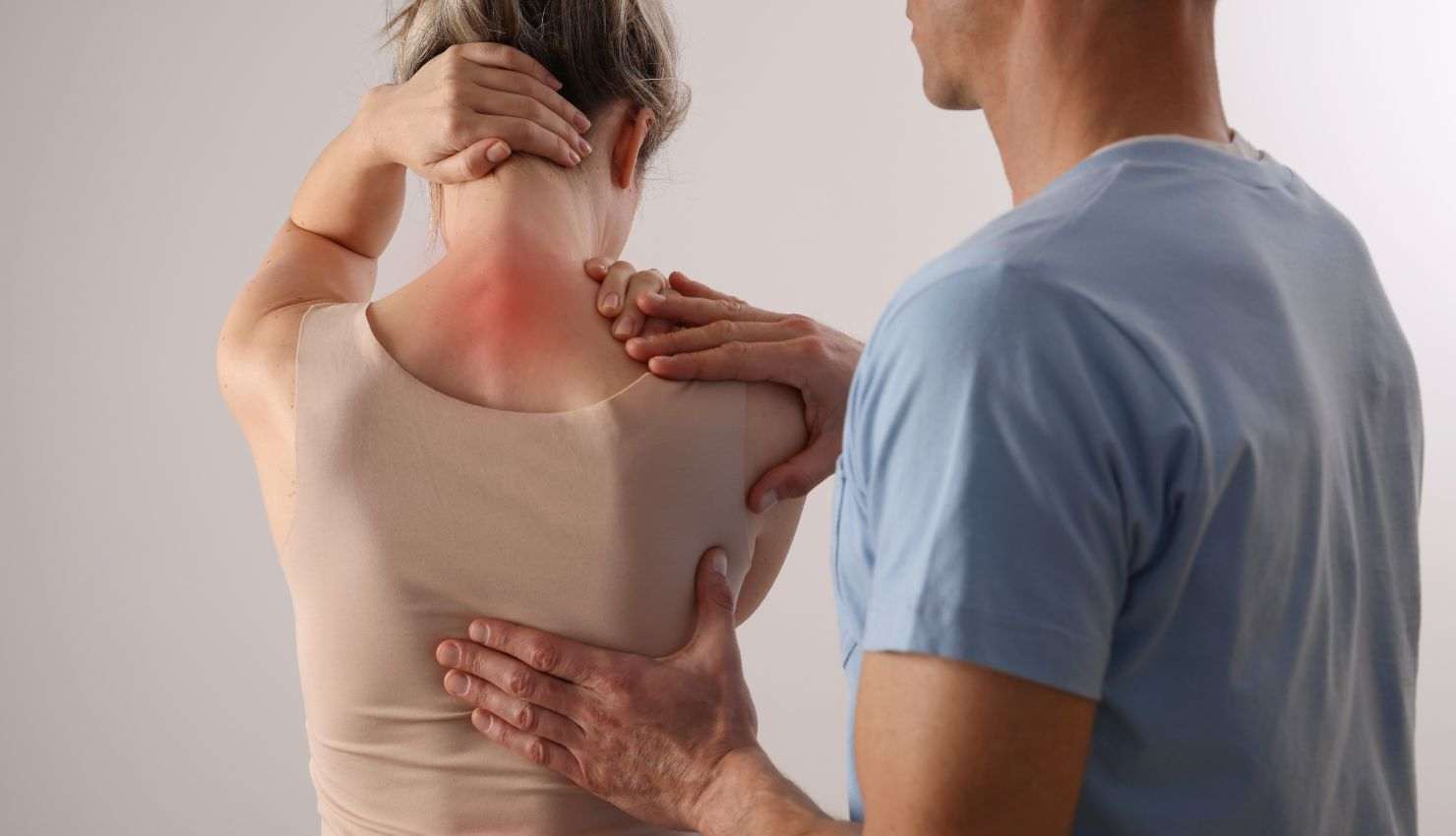
Recovering from spinal conditions or injuries can be challenging, but one factor consistently shown to improve outcomes is core stability. Core stability refers to the strength and coordination of the muscles supporting your spine and pelvis. When these muscles function well, they provide a solid foundation for movement and healing.
At YourFormsUX (YFS) in Canada, our physiotherapy programs focus on enhancing core stability to accelerate spinal health recovery and improve quality of life.
Why Core Stability Is Fundamental to Spinal Recovery
Your spine relies on a complex network of muscles that stabilize it during movement and at rest. These deep core musclesincluding the transverse abdominis, multifidus, pelvic floor, and diaphragmhelp maintain proper spinal alignment and protect against excessive forces that can cause injury or delay healing.
After a spinal injury or surgery, these muscles may become weak or inhibited. Without adequate core stability, the spine is more susceptible to further injury, misalignment, and pain. Rebuilding core stability is essential to restore balance, reduce discomfort, and support tissue healing.
How Core Stability Enhances the Recovery Process
Improved Spinal Alignment: Stable core muscles help maintain the spines natural curves, promoting better posture and reducing strain.
Pain Reduction: Strong core muscles distribute loads evenly, reducing pressure on injured or sensitive spinal structures.
Increased Mobility: Core stability supports controlled, pain-free movement essential for rehabilitation exercises and daily activities.
Prevention of Compensations: Proper core function prevents other muscles from overworking, which can cause additional pain or injury.
Faster Healing: A stable spine creates an optimal environment for tissue repair and recovery.
Core Stability Exercises in Physiotherapy for Spinal Recovery
At YFS, physiotherapists design individualized core strengthening programs tailored to your specific spinal condition and recovery phase. Common exercises include:
Pelvic Tilts: Promote gentle lumbar mobility and core activation.
Bridging: Strengthen the glutes and lumbar stabilizers.
Bird-Dogs: Improve coordination and core endurance.
Planks: Build deep core strength safely.
Dead Bugs: Train controlled core engagement while minimizing spinal strain.
Integrating Core Stability Into Your Daily Routine
Beyond formal therapy sessions, incorporating core stability exercises into daily life enhances recovery. Simple practices like mindful posture, controlled breathing, and regular core activation can accelerate healing and maintain spinal health.
The Role of YourFormsUX in Supporting Your Spinal Recovery
YFS offers comprehensive physiotherapy care that not only strengthens your core but also addresses all aspects of spinal recovery. Our therapists provide ongoing assessment, education, and support to ensure your recovery stays on track.
Tips for Sustaining Core Stability After Recovery
Maintain a consistent core strengthening routine.
Practice good posture throughout daily activities.
Avoid prolonged sitting and take frequent movement breaks.
Stay active with low-impact exercises like walking or swimming.
Consult your physiotherapist before returning to strenuous activities.
Conclusion
The connection between core stability and spinal health recovery is clear: a strong, stable core supports healing, reduces pain, and restores function. At YourFormsUX in Canada, our physiotherapy programs focus on enhancing core stability to help you recover faster and move better.
If youre recovering from a spinal condition or injury, prioritize your core strength with expert physiotherapy guidance from YFS to achieve the best possible outcome.