The Connection Between Dance and Posture explores targeted strategies for recovery. Discover new paths to mobility, healing, and personalized care.

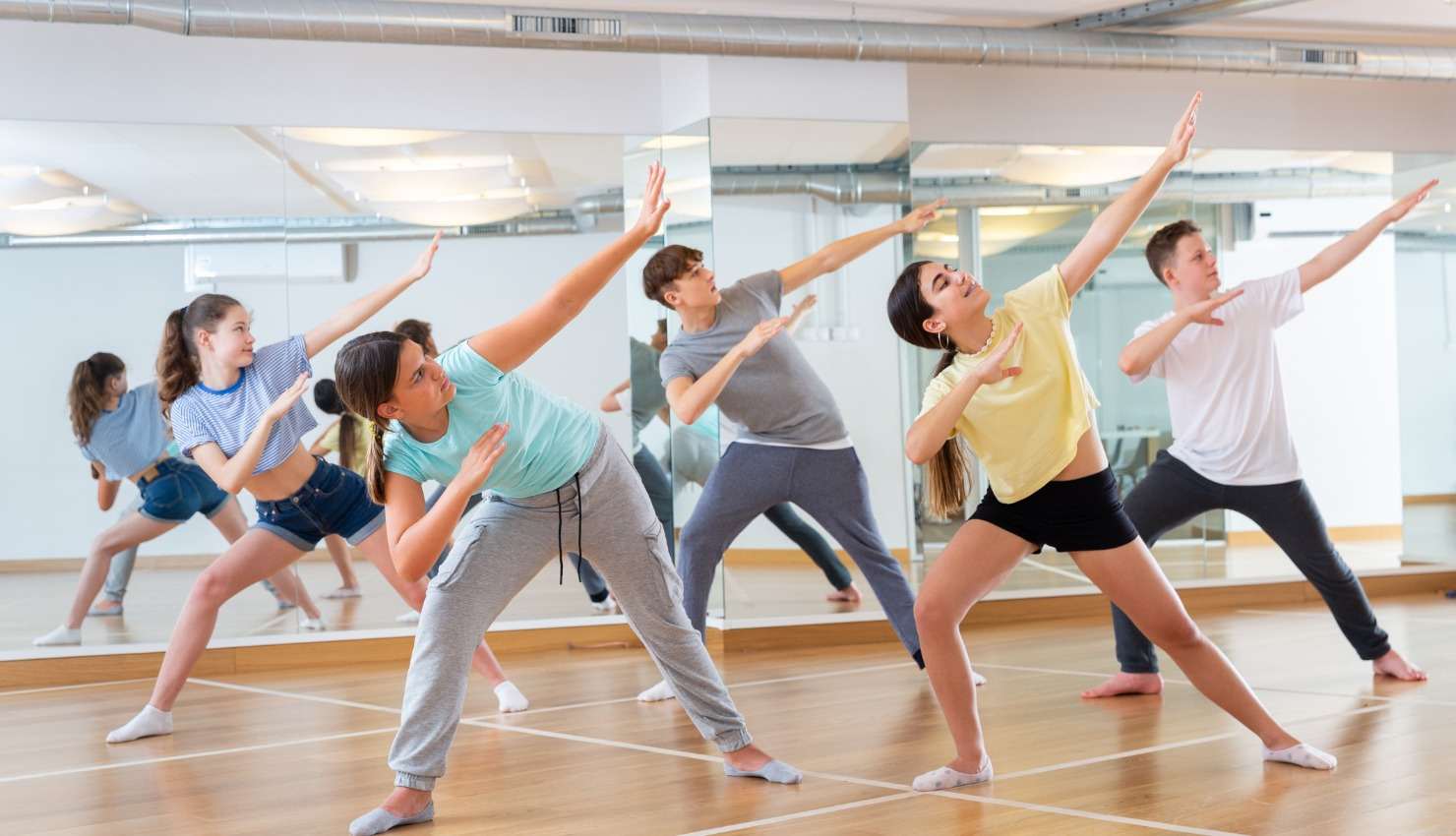
In dance, posture isnt just about standing straightits about maintaining precise body alignment during dynamic movement. Good posture helps dancers:
Improve technique and fluidity
Prevent injuries from strain and imbalance
Enhance core stability and muscle control
Boost endurance and breathing efficiency
Achieve clean lines and aesthetics on stage
Poor posture, on the other hand, can lead to compensation patterns, inefficient movement, and chronic painespecially in the spine, hips, knees, and feet.
?? How Dance Training Affects Posture
Dancers often develop postural imbalances due to:
Overuse of specific muscle groups
Repetitive motion in one direction (e.g., always turning to the same side)
Hyperextension of knees or lumbar spine
Weak core and glutes
Poor technique or fatigue under pressure
These issues may not be obvious at first but can progressively alter spinal alignment, shoulder positioning, and pelvic stability.
?? How Physiotherapy Helps Dancers Improve Posture
Physiotherapy doesnt just focus on injury treatmentit also targets postural correction, motor control, and movement efficiency.
? 1. Postural Assessment and Movement Screening
A dance physiotherapist conducts a full-body analysis, checking for:
Forward head or rounded shoulders
Anterior pelvic tilt
Sway back or exaggerated lumbar curve
Uneven hip or shoulder height
Rib flare or core disengagement
?? This provides a roadmap for tailored postural correction.
??? 2. Core and Stability Training
Strong postural muscles are essential for control and alignment. Physiotherapy programs may include:
Deep core activation (transversus abdominis, pelvic floor)
Glute strength for pelvic positioning
Scapular stability exercises
Neutral spine training
?? Better core engagement leads to cleaner turns, jumps, and extensions.
?? 3. Stretching and Myofascial Release
Tight muscles pull the body out of alignment. Physios target:
Tight hip flexors (common in dancers with anterior tilt)
Short hamstrings or calves
Restricted thoracic spine or shoulders
Overactive lower back muscles
?? Balanced flexibility improves posture without compromising stability.
?? 4. Neuromuscular Re-Education
Rewiring how a dancer moves is key to sustaining good posture. Techniques include:
Mirror feedback and video analysis
Proprioceptive and balance drills
Movement retraining for transitions, foot placement, and turnout control
?? This builds body awareness that becomes instinctive on stage.
?? 5. Posture-Specific Corrective Programs
Dancers receive customized plans that may involve:
Pilates-based exercises
Theraband resistance training
Floor barre adaptations
Cueing strategies during rehearsal
??? These exercises integrate directly into a dancer’s technique practice.
?? Benefits of Physiotherapy for Posture in Dancers
Benefit Impact on Performance & Health
Improved alignment Cleaner lines and better aesthetics
Enhanced core strength Greater balance, control, and injury prevention
Reduced pain and fatigue Especially in the neck, back, and hips
Efficient movement patterns Less energy wasted = more endurance
Increased confidence Strong posture = strong stage presence
?? Real-World Examples
Ballet dancers with swayback posture often benefit from glute activation and pelvic realignment techniques.
Contemporary dancers who collapse into their shoulders can regain upper body support through scapular retraining.
Hip-hop or street-style dancers with rounded backs may develop better torso control with spinal mobility and core-focused drills.