The Connection Between Osteopathy and Structural Integration for Better Posture explores targeted strategies for recovery. Discover new paths to mobility, healing, and personalized care.

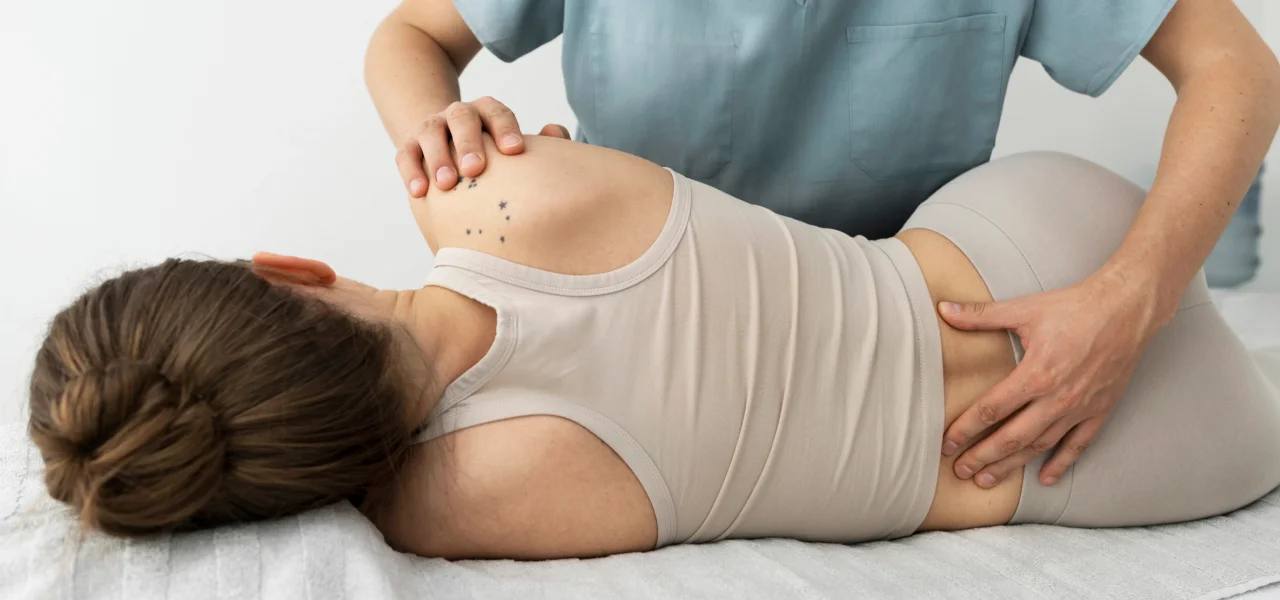
Good posture is more than just standing tallits about the harmonious alignment of your muscles, joints, and connective tissues that supports pain-free movement and overall health. Both osteopathy and structural integration (SI) are hands-on therapies that address posture by focusing on different layers of your bodys structure.
Lets explore how these two approaches connect and complement each other to improve posture and wellbeing.
What Osteopathy Brings to Postural Care
Osteopathy primarily focuses on the musculoskeletal systembones, joints, muscles, and fascia. Osteopaths assess and treat:
Joint restrictions and misalignments
Muscle tension and imbalances
Movement dysfunctions
Through gentle manipulation, mobilization, and soft tissue techniques, osteopathy helps restore joint mobility and muscle balance, essential for good posture.
What Structural Integration Offers
Structural Integration specializes in working with fasciathe connective tissue enveloping muscles and organs. SI sessions involve slow, deep manual work to:
Release fascial tightness and adhesions
Realign the bodys structural framework
Enhance body awareness and movement patterns
SI addresses deeper layers of tension that influence posture over time.
How They Work Together for Better Posture
1. Layered Approach to Alignment
Osteopathy improves joint function and muscle balance, while SI releases deeper fascial restrictionstogether, they create comprehensive alignment.
2. Immediate and Long-Term Benefits
Osteopathy often provides quicker relief of pain and stiffness; SI supports lasting postural changes through fascial retraining.
3. Improved Movement and Body Awareness
Both therapies enhance proprioception, helping you maintain better posture throughout daily activities.
4. Customized Care
Practitioners may combine osteopathy and SI techniques tailored to your unique needs for optimal results.
Benefits of Combining Osteopathy and SI for Posture
Reduced pain and muscular tension
Improved spinal alignment and joint mobility
Enhanced flexibility and balance
Greater confidence and comfort in movement
Prevention of chronic postural problems
Final Thoughts
Better posture supports your overall health and quality of life. By combining the strengths of osteopathy and structural integration, you can achieve deeper, more lasting alignment and enjoy a healthier, more comfortable body.
Interested in exploring this holistic approach? Talk to your practitioner about integrating osteopathy and SI in your care.