The Connection Between Osteopathy and Structural Integration for Long-Term Health explores targeted strategies for recovery. Discover new paths to mobility, healing, and personalized care.

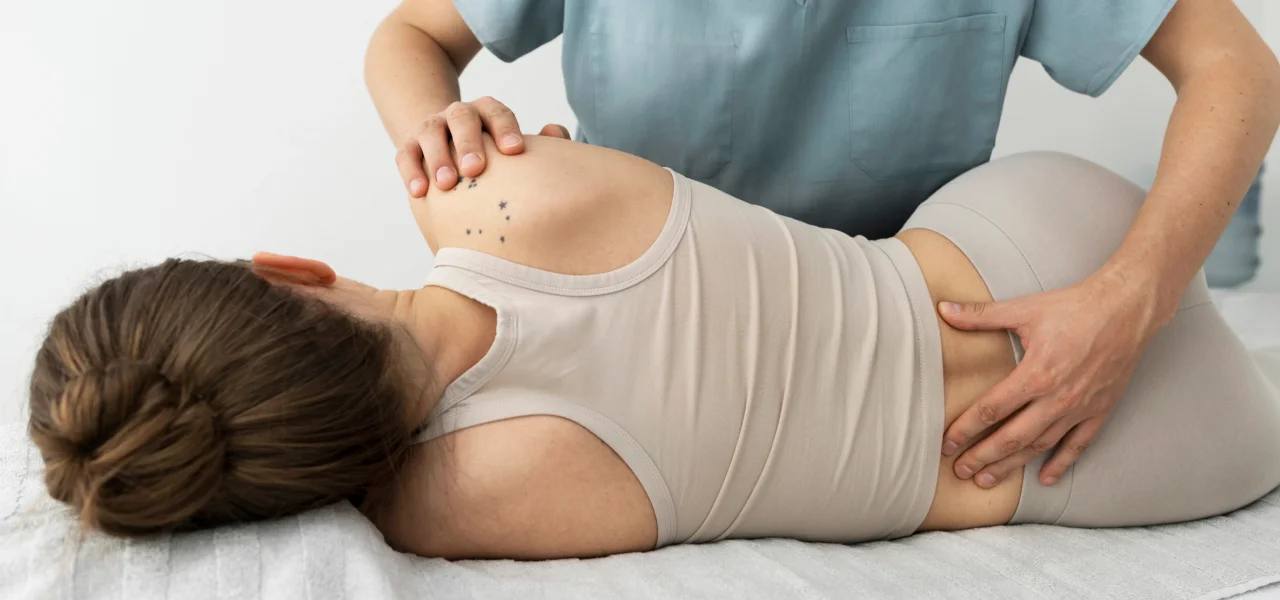
When it comes to maintaining long-term health, balance and alignment in your body play a crucial role. Both osteopathy and structural integration (SI) offer hands-on, holistic approaches to restore and maintain this balancebut how do these therapies connect, and how can they work together to support your overall wellbeing?
Lets explore the connection between osteopathy and structural integration, and how combining their strengths can promote lasting health.
What Is Osteopathy?
Osteopathy is a manual therapy focused on the musculoskeletal system. Osteopaths use gentle techniques to assess and treat restrictions in muscles, joints, and connective tissues to improve mobility, reduce pain, and support your bodys natural healing.
What Is Structural Integration?
Structural Integration is a specialized form of bodywork targeting the fasciathe connective tissue that envelops muscles, bones, and organs. SI focuses on releasing fascial restrictions and realigning the bodys structure, improving posture, movement efficiency, and body awareness.
How Osteopathy and Structural Integration Complement Each Other
1. Layered Approach to Healing
Osteopathy primarily addresses joints, muscles, and bones, improving alignment and function. Structural Integration works deeper into the fascia, releasing restrictions that can pull the body out of balance.
2. Immediate Relief and Lasting Change
Osteopathy often provides quicker relief from pain and stiffness through joint mobilization and soft tissue work. Structural Integration supports these changes by retraining fascia and posture over a series of sessions, promoting lasting balance.
3. Comprehensive Postural Improvement
Both therapies work together to correct postural imbalancesosteopathy by aligning joints and muscles, SI by balancing fascial tension and enhancing body awareness.
4. Supporting Nervous System and Circulation
Both therapies help regulate the nervous system and improve circulation, which are vital for healing and long-term health.
5. Empowering Self-Care and Movement
They encourage greater body awareness and offer guidance on posture, movement, and lifestyle choices to maintain health beyond the treatment room.
Benefits of Combining Osteopathy and Structural Integration
Reduced chronic pain and muscle tension
Improved posture and body mechanics
Enhanced flexibility and joint mobility
Greater body awareness and movement efficiency
Support for long-term healing and injury prevention
Final Thoughts
Osteopathy and Structural Integration are powerful allies in supporting your bodys structure and function. Together, they offer a layered, holistic approach that not only alleviates pain but also fosters resilience and wellbeing for years to come.
If youre interested in a comprehensive, long-term approach to health, exploring both therapies might be the perfect solution.