The Connection Between Osteopathy and Structural Integration for Total Body Health explores targeted strategies for recovery. Discover new paths to mobility, healing, and personalized care.

If youve been exploring ways to improve your health, mobility, or recover from pain, you may have come across both osteopathy and structural integration. While they each have their unique styles and techniques, these two therapies share a lot in commonand can even complement each other beautifully when it comes to supporting your total body health.
Lets explore how osteopathy and structural integration connect and what that means for your wellbeing.
What Is Osteopathy?
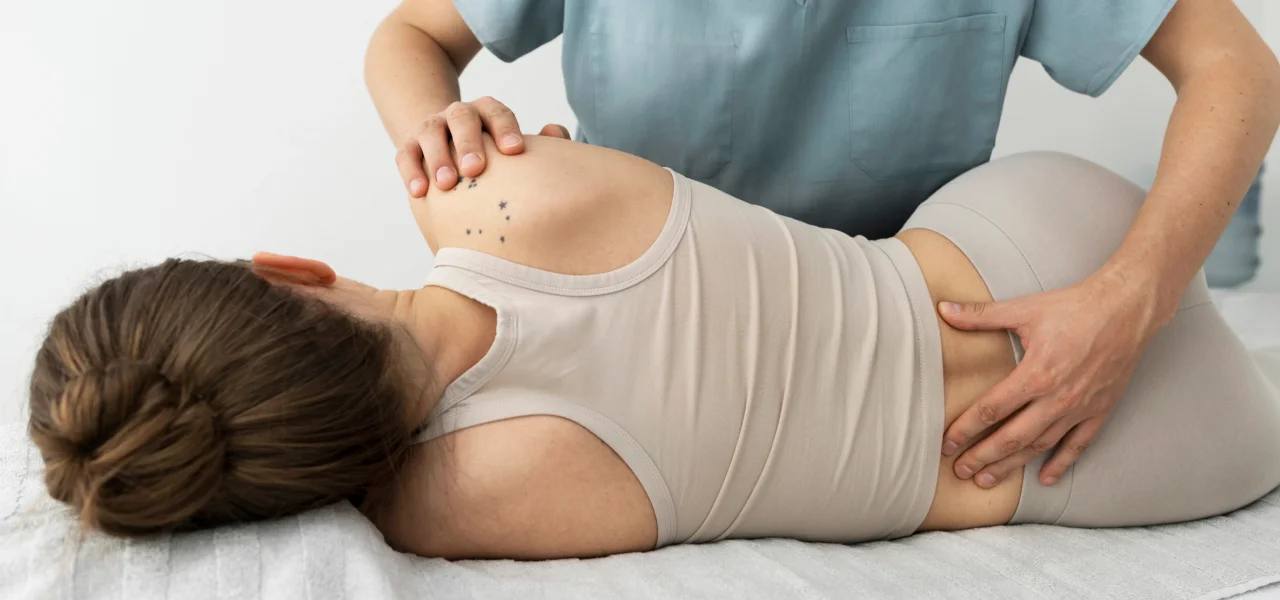
Osteopathy is a holistic, hands-on therapy focused on the musculoskeletal system and how it influences the rest of your body. Osteopaths assess and treat joints, muscles, ligaments, and even internal organs to restore movement, reduce pain, and improve function.
Osteopathy uses a variety of techniques such as:
Joint mobilisations and manipulations
Soft tissue massage
Muscle energy techniques
Cranial osteopathy
The goal is to support your bodys natural ability to heal and maintain balance.
What Is Structural Integration?
Structural Integration (often associated with Rolfing) is a form of deep tissue bodywork that focuses primarily on the fasciathe connective tissue that wraps muscles, bones, and organs.
Through a series of sessions, structural integration aims to:
Release fascial restrictions
Realign the body within gravity
Improve posture and movement patterns
Increase body awareness
The approach is systematic and educational, helping clients develop better movement habits.
How They Connect
Both osteopathy and structural integration share a whole-body approachlooking beyond the site of pain or tension to understand the bigger picture of how your body moves and functions.
Heres where they overlap:
Focus on Alignment: Both therapies aim to restore structural balance and alignment, supporting optimal function.
Working with Fascia: Osteopaths frequently work with fascia, while structural integration focuses heavily on itboth recognize fascias role in movement and pain.
Movement Restoration: They seek to improve range of motion, reduce restrictions, and promote fluid, effortless movement.
Holistic Philosophy: Both treat the body as an interconnected system, considering lifestyle, posture, and emotional factors.
How They Complement Each Other
While osteopathy often addresses joint mobility and internal organ function alongside muscles and fascia, structural integration tends to go deeper into the fascial system and postural re-education.
Combined, they offer:
Comprehensive care for chronic pain and postural issues
Enhanced body awareness through hands-on work and movement education
Long-lasting changes by addressing root causes, not just symptoms
Better support for recovery after injury or surgery
Many people find that alternating or combining osteopathy and structural integration sessions maximizes their results, offering both immediate relief and deep, lasting structural change.
Who Might Benefit from Both?
Individuals with chronic musculoskeletal pain
Athletes seeking peak performance and injury prevention
People recovering from surgery or trauma
Anyone wanting to improve posture and movement efficiency
Those interested in holistic health and mind-body connection
Final Thoughts
Osteopathy and Structural Integration are like two sides of the same coineach with unique techniques but united in helping your body function at its best. Whether you choose one, the other, or both, youre supporting your total body health by fostering alignment, mobility, and balance.
If youre curious about which approach suits youor how to integrate them into your wellness routineconsulting with experienced practitioners can help you craft the best path forward.