The Connection Between Physiotherapy and Improved Dance Performance explores targeted strategies for recovery. Discover new paths to mobility, healing, and personalized care.

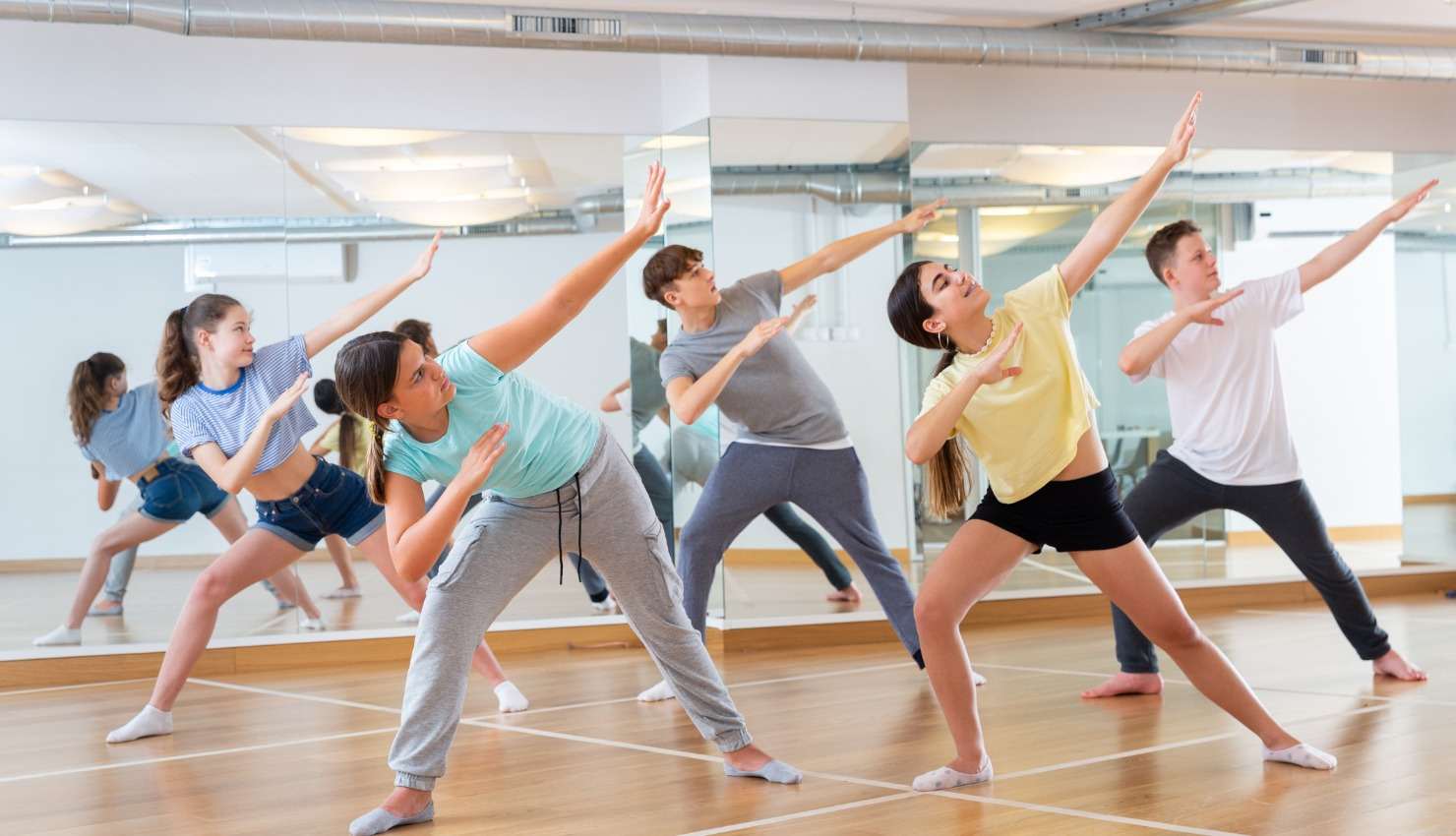
Dance is a physical art form that requires strength, flexibility, coordination, and endurance. Whether performing a graceful ballet routine or an energetic contemporary piece, dancers rely on their bodies to express emotion, technique, and precision. However, this intense physical demand can lead to muscle imbalances, injuries, and overuse, which can affect a dancers overall performance. This is where physiotherapy becomes an essential tool for dancers.
Physiotherapy is much more than just rehabilitation; it plays a critical role in enhancing dance performance by improving strength, flexibility, mobility, posture, and overall body mechanics. In this blog, well explore the direct connection between physiotherapy and improved dance performance, and how it can help dancers reach their full potential while minimizing the risk of injury.
1. Improved Strength and Endurance for Performance
Dancers must possess exceptional strength, particularly in their core, legs, and arms, to perform dynamic movements like jumps, turns, and lifts. Physiotherapy helps build the strength needed to execute these movements with precision, reducing the likelihood of fatigue during intense performances or rehearsals.
How physiotherapy improves strength and endurance:
Targeted Strengthening Exercises: Physiotherapists design exercise programs to strengthen specific muscle groups that are crucial for dance performance. For example, strengthening the glutes, quads, and calves improves stability during jumps, while core strengthening exercises enhance posture and balance.
Endurance Training: Physiotherapists also use endurance-based exercises to help dancers sustain high levels of physical output throughout an entire performance. High-repetition, low-weight exercises are commonly used to build muscular endurance, while cardiovascular exercises (like interval training) enhance stamina.
Muscle Coordination: Physiotherapists help improve the coordination of muscles, ensuring that the dancers body moves efficiently and without unnecessary energy expenditure. This is critical for maintaining performance quality during long routines.
With these strengthening and endurance-building strategies, physiotherapy ensures that dancers can execute movements with power and precision, enhancing their performance quality.
2. Enhanced Flexibility and Range of Motion
Flexibility is essential for many dance movements, including high kicks, deep lunges, and expansive arm gestures. Without proper flexibility, a dancer may struggle with technique, limiting their ability to perform intricate choreography with grace and fluidity.
How physiotherapy enhances flexibility and range of motion:
Targeted Stretching Programs: Physiotherapists create individualized stretching programs to help improve flexibility in key areas, such as the hips, hamstrings, calves, and back. By increasing the range of motion in these areas, dancers can achieve greater movement fluidity and execute demanding choreography more easily.
Dynamic Stretching for Warm-up: Physiotherapists emphasize the importance of dynamic stretching before rehearsals or performances to prepare the body for movement. These stretches activate muscles and increase blood flow, reducing the risk of injury and improving overall mobility.
Static Stretching for Recovery: After dance practice or performance, static stretches are used to lengthen muscles and restore flexibility, helping dancers recover faster and prevent stiffness.
By improving flexibility and range of motion, physiotherapy enables dancers to perform with greater ease, precision, and expression.
3. Injury Prevention and Longevity
One of the most significant benefits of physiotherapy for dancers is its role in injury prevention. Dancers often push their bodies to their limits, which can lead to injuries such as strains, sprains, tendinitis, and stress fractures. Physiotherapy helps minimize these risks by identifying and addressing potential issues before they develop into full-blown injuries.
How physiotherapy aids in injury prevention:
Posture and Body Mechanics: Physiotherapists assess a dancer’s posture and body mechanics to ensure proper alignment during movement. Poor posture or faulty movement patterns can cause strain on specific muscles and joints, increasing the risk of injury. By correcting these misalignments, physiotherapy helps dancers move more efficiently and reduce unnecessary strain.
Muscle Imbalances: Physiotherapists evaluate muscle imbalances, where some muscles are too tight or weak compared to others. Imbalances often result in improper movement patterns and increased injury risk. Physiotherapists use strengthening exercises, stretching, and manual therapy to restore balance in the muscles.
Proprioception and Balance: Proprioception refers to the body’s ability to sense its position in space. Physiotherapists help improve proprioception through balance and coordination exercises. This enhances a dancers ability to perform complex movements with better control and reduces the likelihood of falls or missteps during performances.
By preventing injuries, physiotherapy allows dancers to maintain peak performance levels and extend their careers without the risk of being sidelined by injuries.
4. Improved Posture and Alignment for Precision
Dancers must maintain impeccable posture and alignment throughout their routines, whether they are executing a pirouette or holding a deep plié. Poor posture can lead to discomfort, inefficient movement, and even injury. Physiotherapy plays a key role in helping dancers achieve the optimal alignment required for precise, controlled movements.
How physiotherapy improves posture and alignment:
Postural Correction: Physiotherapists identify postural imbalances, such as rounded shoulders, forward head posture, or pelvic misalignment. Through targeted exercises and manual therapy, they correct these issues to ensure that the dancer maintains a neutral spine and proper alignment.
Core Strength and Stability: A strong core is crucial for maintaining proper posture, balance, and alignment during dance. Physiotherapists focus on strengthening the deep core muscles, including the abdominals, obliques, and lower back, to support the spine and pelvis.
Biomechanical Assessment: Physiotherapists perform a biomechanical analysis of the dancers movement to identify any deviations from optimal technique. By improving alignment and technique, physiotherapy enhances the dancers performance and reduces the risk of injury.
With better posture and alignment, dancers can execute movements with more precision and efficiency, improving both their technique and performance quality.
5. Faster Recovery and Reduced Fatigue
Dancing can be physically taxing, and dancers often experience fatigue, soreness, or muscle tightness after intense practice or performances. Physiotherapy helps speed up recovery, ensuring that dancers can perform at their best during each session or show.
How physiotherapy aids in recovery:
Active Recovery: Physiotherapists incorporate low-intensity movements and stretching to help the muscles recover after a performance or practice. This reduces muscle soreness, increases blood flow, and promotes faster healing.
Massage and Soft Tissue Therapy: Physiotherapists use techniques like deep tissue massage or myofascial release to release tightness in the muscles and fascia. These techniques reduce stiffness, improve circulation, and promote relaxation, allowing for quicker recovery.
Restorative Exercises: Physiotherapists provide restorative exercises that focus on flexibility, mobility, and range of motion. These exercises help prevent stiffness and allow the dancers body to recover fully.
By improving recovery, physiotherapy helps dancers maintain their stamina and perform at a high level throughout their training or performances, reducing the risk of burnout.
Conclusion
Physiotherapy is a key element in improving a dancer’s performance by enhancing strength, flexibility, posture, balance, and recovery while also preventing injuries. By addressing muscle imbalances, correcting movement patterns, and promoting overall physical well-being, physiotherapists help dancers achieve optimal performance, maintain longevity in their careers, and stay injury-free.
For any professional dancer, incorporating physiotherapy into their routine is not just about recovering from injuriesits about improving every aspect of their dance technique and performance. Whether youre aiming for a higher jump, better fluidity in your movements, or injury-free practice, physiotherapy provides the tools to help you reach your fullest potential.