The Connection Between Physiotherapy and Injury Prevention in Dance explores targeted strategies for recovery. Discover new paths to mobility, healing, and personalized care.

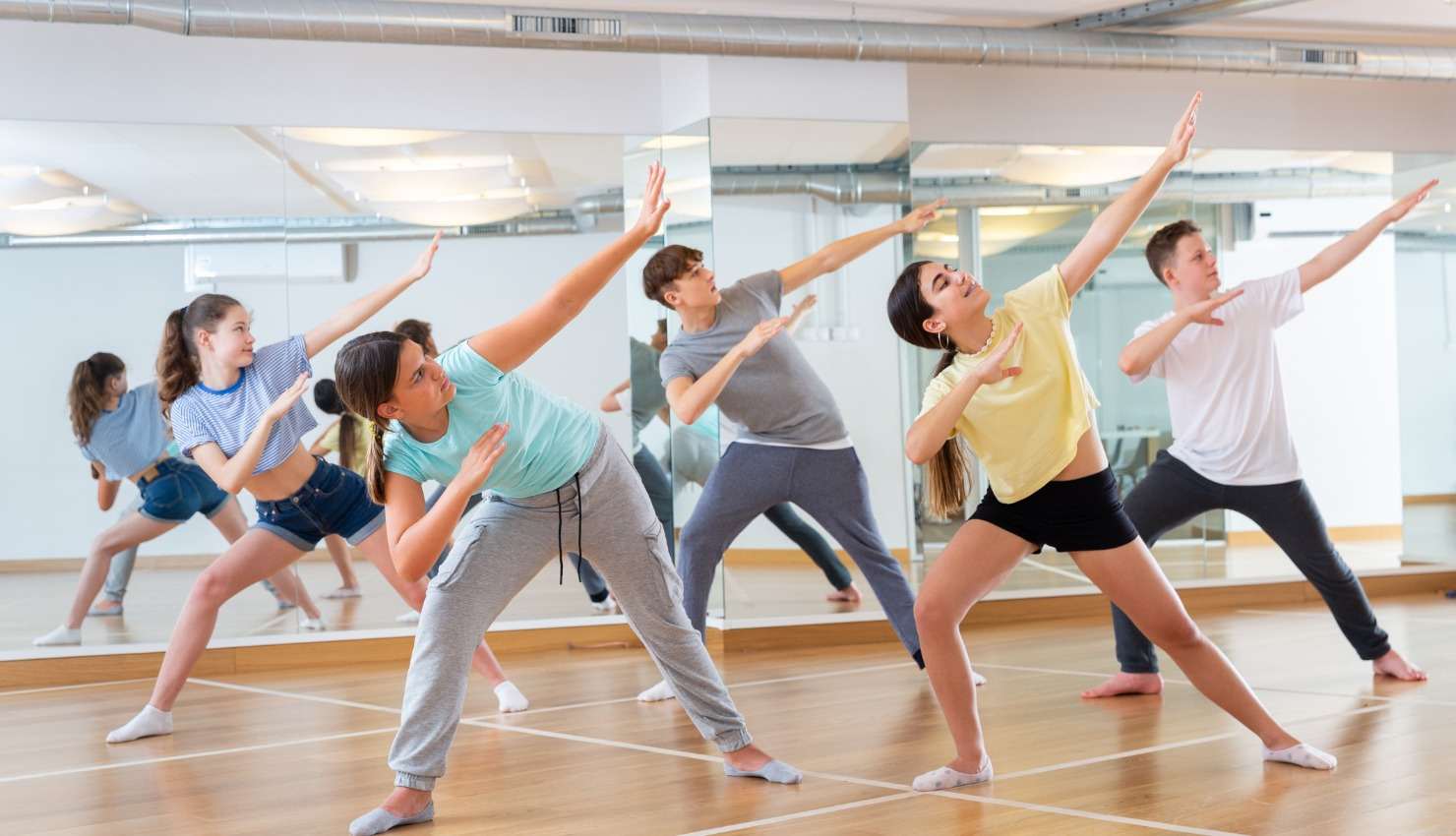
In the world of dance, the ability to perform at peak physical capacity is essential. Dancers rely on their bodies to execute intricate movements, from leaps and spins to graceful lifts and rapid footwork. While dance is a beautiful art form, it also involves repetitive motions and high-intensity performances that can strain the muscles and joints. This makes dancers highly susceptible to injuries, ranging from minor strains to serious, career-threatening conditions.
Physiotherapy plays a pivotal role in injury prevention for dancers, enabling them to stay in top shape and avoid setbacks. By focusing on strengthening, flexibility, body mechanics, and recovery, physiotherapists help dancers manage and reduce the risks associated with their rigorous routines. Lets explore how physiotherapy is connected to injury prevention in dance and why it is so essential for a dancers long-term health and success.
Understanding the Physical Demands of Dance
Dancing requires both strength and flexibility. Dancers must be able to move gracefully and with precision while also having the power to execute high-intensity movements. Whether performing a ballet pirouette, executing a hip-hop routine, or jumping in modern dance, dancers put their bodies through a range of challenging motions.
However, these movements can lead to overuse injuries, muscle imbalances, and misalignment. For example, the repetitive motions of pointe work in ballet can cause stress fractures, while high-impact jumps can lead to knee and ankle injuries. Without proper injury prevention strategies, dancers are at a higher risk of suffering from chronic pain or sudden injuries that could halt their careers.
How Physiotherapy Prevents Injuries in Dance
Physiotherapists specialize in the assessment and treatment of physical conditions that affect movement. For dancers, physiotherapists provide a holistic approach to injury prevention by focusing on several key areas:
Posture and Alignment: Proper alignment is essential for dancers to perform at their best and avoid strain on their muscles and joints. When a dancers body is not aligned correctly, it can lead to overuse injuries, particularly in the lower back, hips, knees, and feet. Physiotherapists help correct postural imbalances by analyzing the dancers body mechanics and providing targeted exercises to improve alignment. This includes strengthening the core muscles, which play a crucial role in maintaining proper posture and supporting the spine.
Strengthening Muscles: Weak muscles are a significant factor in injury risk. Without adequate strength, muscles cannot absorb the stress placed on them during high-intensity movements. This is especially true for smaller stabilizing muscles around the hips, knees, and ankles, which are often neglected in traditional dance training. Physiotherapists create strengthening programs that target these often-overlooked areas, helping dancers build balanced muscle strength to reduce the risk of injury. This includes exercises like resistance training, balance drills, and targeted stretches that improve both strength and flexibility.
Flexibility and Range of Motion: Tight muscles and limited flexibility can lead to muscle strains, joint pain, and other injuries. Physiotherapists design stretching routines to increase flexibility in the muscles and joints, helping dancers achieve the full range of motion required for complex movements. Stretching also helps reduce muscle tension and prevent cramps, allowing dancers to move more fluidly and reduce the likelihood of injury.
Proprioception and Balance: Proprioception, or the bodys awareness of its position in space, is crucial for dancers. The ability to sense and control the bodys movements helps prevent falls and missteps, which can lead to injury. Physiotherapists work with dancers to improve proprioception through balance exercises and specialized training techniques. This can include activities like standing on one leg, using balance boards, or performing exercises with the eyes closed to increase body awareness and coordination.
Technique and Movement Patterns: Dancers often perform repetitive motions that can lead to overuse injuries if not done with proper technique. Physiotherapists assess a dancers movement patterns, providing feedback and corrections to ensure that each movement is efficient and injury-free. For instance, a physiotherapist may suggest adjustments to a dancers landing technique, jump mechanics, or the way they position their feet to reduce the risk of strain or injury.
Injury Screening and Early Intervention: Physiotherapists are trained to identify early signs of injury, such as tightness, instability, or discomfort. By performing regular screenings, physiotherapists can spot potential issues before they develop into more serious conditions. If any early warning signs of injury are detected, physiotherapists can intervene with targeted treatment and rehabilitation programs that address the specific needs of the dancer. This proactive approach can help prevent injuries from becoming debilitating and keep dancers in top shape.
The Benefits of Physiotherapy for Injury Recovery
In addition to preventing injuries, physiotherapy is also essential for injury recovery. If a dancer does sustain an injury, physiotherapists play a key role in rehabilitation, ensuring a safe and effective recovery process. Physiotherapists use various techniques, including manual therapy, stretching, and strengthening exercises, to restore movement, reduce pain, and promote healing.
For example, a dancer recovering from an ankle sprain may work with a physiotherapist on range-of-motion exercises, strengthening routines, and proprioception training to restore function and prevent re-injury. In cases of more severe injuries, such as stress fractures or tendonitis, physiotherapists design individualized rehabilitation programs that address the specific needs of the dancers injury, allowing them to return to their dance routine as safely and quickly as possible.
Building Long-Term Injury Prevention Habits
Incorporating physiotherapy into a dancers regular training routine not only prevents injuries in the short term but also fosters long-term health. Physiotherapists work with dancers to establish healthy habits, such as proper warm-up and cool-down routines, consistent strength and flexibility training, and recovery strategies. By adopting these habits, dancers can build resilience in their bodies and maintain a high level of performance over the course of their careers.
The long-term benefits of physiotherapy extend beyond injury prevention; they also improve a dancers overall movement quality, efficiency, and endurance. With regular physiotherapy, dancers can maximize their potential and avoid the setbacks that often come with injury.
Conclusion
Injury prevention is essential for any dancer who wants to have a long, successful career. Physiotherapy plays a critical role in this by addressing the root causes of injuries and providing comprehensive strategies for prevention and rehabilitation. Through proper posture correction, strength building, flexibility training, and injury screening, physiotherapists help dancers maintain healthy, functioning bodies, enabling them to perform at their best.
By integrating physiotherapy into their training routine, dancers can ensure that they are not only performing with precision but also safeguarding their bodies for the future. Whether you are an aspiring professional dancer or a seasoned performer, physiotherapy is an invaluable tool for staying injury-free and maintaining peak performance.