The Connection Between Yoga and Better Posture explores targeted strategies for recovery. Discover new paths to mobility, healing, and personalized care.

Introduction
Posture isnt just about standing tallits a window into your overall musculoskeletal health. In todays sedentary world, poor posture is more than a cosmetic issue; it contributes to back pain, fatigue, joint dysfunction, and even impaired breathing. Thankfully, yoga offers an accessible and highly effective solution. Whether youre dealing with slouched shoulders or forward head posture, yoga for posture correction is a holistic approach to retraining your body to move and sit with intention.
1. What Causes Poor Posture?
The rise in desk jobs, screen time, and lack of movement has led to an epidemic of poor posture. Common patterns include:
Rounded shoulders
Forward head posture
Anterior pelvic tilt
Hunched upper back (kyphosis)
These imbalances develop from prolonged sitting, muscle tightness, and weakened postural muscles. Over time, they lead to chronic tension, misalignment, and inefficient movement.
Using terms like postural misalignment, poor desk posture, and sedentary lifestyle body effects improves both content relevance and search engine discoverability.
2. How Yoga Rebuilds Postural Awareness
Yogas mindful movement trains the body to find symmetry and alignment. With consistent practice, individuals become more aware of how they hold themselveson and off the mat. Heres how it works:
Body scanning in poses improves self-perception and alignment.
Breath awareness encourages upright spine and core engagement.
Controlled transitions between poses reinforce balance and posture in motion.
This increases postural mindfulness, alignment correction through yoga, and spine-stabilizing exercises.
3. Yoga Poses that Directly Support Better Posture
Certain yoga postures are particularly beneficial in strengthening the muscles responsible for proper alignment while releasing those that contribute to imbalance.
Mountain Pose (Tadasana): Reinforces alignment from feet to crown.
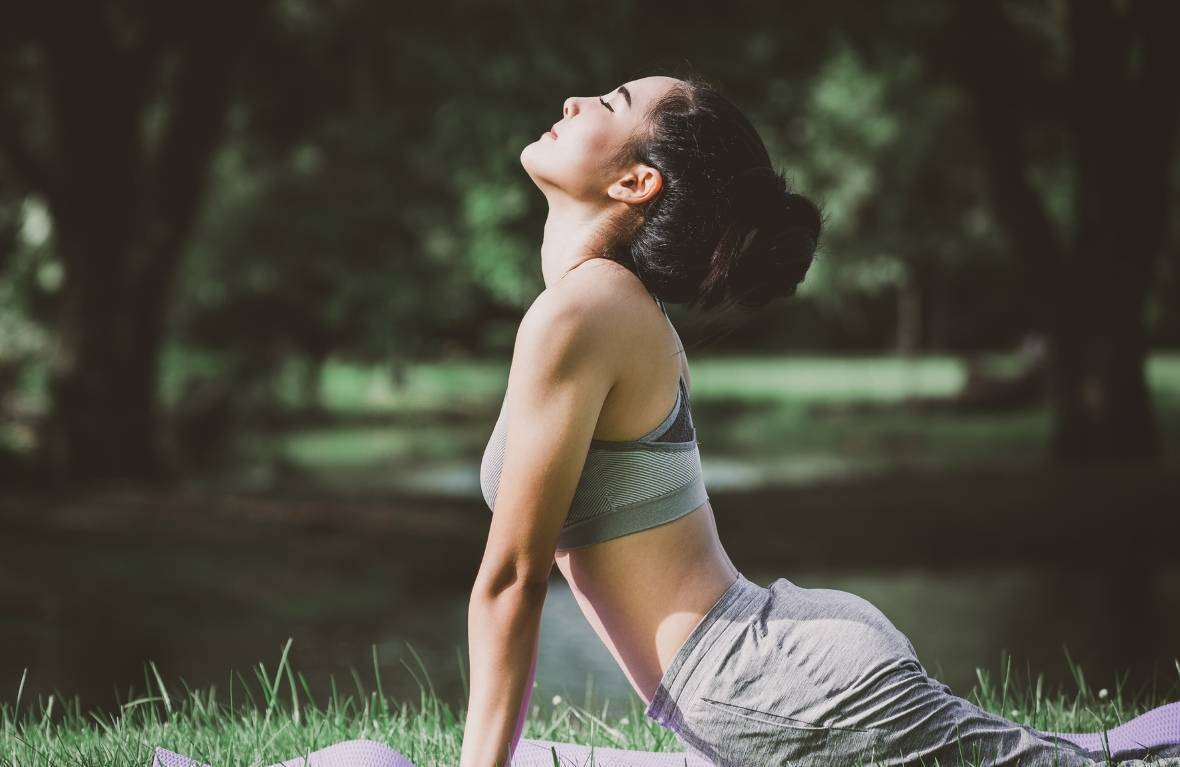
Cobra Pose (Bhujangasana): Strengthens spinal extensors and opens the chest.
Bridge Pose: Engages glutes and core to stabilize the pelvis.
Plank Pose: Builds strength in the shoulders, back, and abdominal wall.
Cat-Cow Stretch: Mobilizes the spine and teaches fluid spinal articulation.
These poses are often central in yoga sequences for better posture, core strengthening yoga, and yoga for spinal health.
4. Building Strength in Key Muscle Groups
Good posture isnt just about standing straightit relies on muscular support. Yoga strengthens:
Core muscles (transverse abdominis, obliques): support upright sitting and balance.
Upper back and shoulder stabilizers (trapezius, rhomboids): keep the shoulders from collapsing forward.
Hip extensors and glutes: correct anterior tilt and reduce lumbar strain.
Neck and cervical spine alignment: combats forward head posture.
Adding strength-focused postural training keywords such as core alignment exercises and shoulder opening yoga boosts AEO targeting.
5. Releasing Tension in Tight Muscle Chains
Postural correction isnt just about strength; flexibility plays a crucial role. Tight muscles, particularly in the chest, hip flexors, and hamstrings, pull the body out of alignment.
Yoga helps release:
Pectorals (chest): through poses like Bow or Camel, reducing shoulder rounding.
Hip flexors: via low lunges and reclined quad stretches.
Hamstrings: through forward folds and leg stretches, aiding pelvic tilt correction.
The process of posture correction through flexibility is a highly searched phrase and aligns well with this therapeutic aspect of yoga.
6. The Role of Breath in Postural Correction
Breathing patterns influence posture more than we realize. Shallow breathingcommon in slouched posturesweakens the diaphragm and restricts rib cage mobility.
Yoga uses pranayama (breath control) to:
Expand lung capacity
Train deeper core engagement
Encourage a lifted spine during inhale
This approach promotes diaphragmatic breathing for posture, yoga breathwork benefits, and breath-centered posture training.
7. Beyond the Mat: Daily Habits Reinforced by Yoga
Yoga creates a foundation for carrying good posture into everyday life. Practitioners often report that they:
Sit straighter at desks
Walk with more balance and grace
Stand with more confidence
Experience less fatigue and back strain
This supports long-term posture improvement, daily posture maintenance, and posture-conscious lifestyle.
8. Who Benefits from Yoga for Posture?
This therapeutic approach is ideal for:
Office workers and remote professionals
Older adults seeking better alignment
Teens and young adults with tech neck
Athletes and fitness enthusiasts managing repetitive strain
People recovering from injury or chronic back issues
Whether it’s posture yoga for seniors or tech neck relief yoga, the practice adapts to all levels and backgrounds.
Conclusion
Improving posture is a holistic journeyand yoga is one of the most sustainable, mindful ways to get there. By strengthening muscles, increasing flexibility, and teaching awareness, yoga supports structural health from the inside out. Whether you’re seeking relief from back pain, trying to reverse the effects of desk work, or aiming to move with more grace, consistent yoga practice has your backliterally.
For Canadian clients looking to build healthier movement habits, YourFormsUX positions itself as a forward-thinking partner in delivering long-term musculoskeletal wellness through yoga therapy.