The Connection Between Your Core and Spinal Flexibility explores targeted strategies for recovery. Discover new paths to mobility, healing, and personalized care.

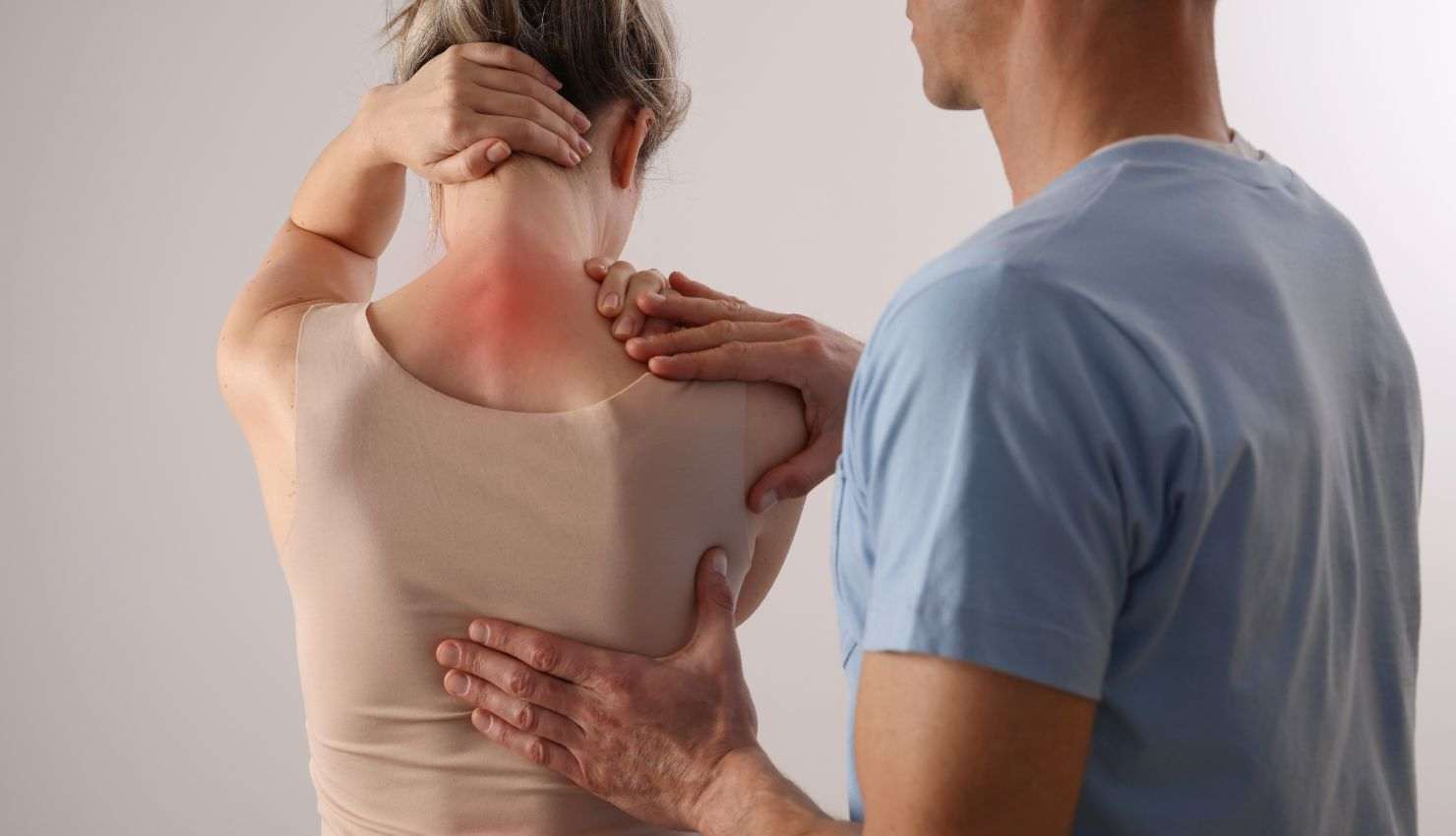
When it comes to maintaining a healthy spine and preventing back pain, many people focus solely on flexibility or strength but the truth is, these two elements are deeply interconnected. One of the strongest links in this relationship is your core. Understanding the connection between your core muscles and spinal flexibility can unlock new ways to improve your mobility, reduce discomfort, and enhance overall spinal health.
At YourFormsUX, we know how vital spinal flexibility is for a pain-free life, especially in Canada, where active lifestyles demand peak physical function. Lets explore why your core plays such a crucial role in maintaining spinal flexibility, how they work together, and what you can do to optimize both for long-term spinal wellness.
What Is Spinal Flexibility and Why Does It Matter?
Spinal flexibility refers to the spines ability to move through its full range of motion comfortably bending forward, backward, twisting, and side bending. Flexible spines are less prone to stiffness, injury, and chronic pain. This flexibility supports daily activities like reaching, lifting, and twisting, which are essential to an active lifestyle.
However, the spine isnt a stand-alone structure; it depends heavily on surrounding muscles and connective tissues for support. Among these, the core muscles provide dynamic stability, allowing the spine to move fluidly without losing control or risking injury.
How Does the Core Influence Spinal Flexibility?
The core is made up of deep muscles such as the transverse abdominis, multifidus, pelvic floor, diaphragm, and obliques. These muscles work in harmony to stabilize the spine, pelvis, and rib cage during movement.
Heres why the core matters for spinal flexibility:
Dynamic Support During Movement
When you bend, twist, or stretch, your core muscles engage to stabilize your spine. This support enables smooth, controlled movements and prevents overextension or harmful strains.
Maintaining Neutral Spine Alignment
A strong core helps maintain the spines natural curves (cervical lordosis, thoracic kyphosis, lumbar lordosis), which are essential for efficient movement and flexibility. Without core stability, poor alignment can reduce flexibility and increase injury risk.
Balancing Mobility with Stability
Flexibility alone without stability can lead to hypermobility and spinal instability. The core provides just enough stiffness to allow for safe and effective flexibility without compromising spinal integrity.
Reducing Compensatory Movements
Weak core muscles force other muscles and joints to compensate during movement, leading to uneven spinal mechanics and reduced range of motion.
The Science Behind Core Strength and Spinal Mobility
Research consistently shows a positive correlation between core strength and improved spinal mobility. Studies reveal that individuals with stronger core muscles demonstrate better control of spinal movements and less stiffness in the lumbar and thoracic regions.
Additionally, core exercises targeting deep stabilizers enhance proprioception your bodys awareness of its position in space which contributes to smoother and safer spinal flexibility.
Practical Ways to Improve Core Strength and Spinal Flexibility Together
Improving core strength and spinal flexibility simultaneously requires a balanced approach that includes stretching, strengthening, and controlled movement exercises.
Here are some practical tips:
Incorporate Core-Engaging Stretching: Try yoga poses like Cat-Cow or Cobra that stretch the spine while engaging the core muscles.
Focus on Functional Movements: Exercises like Pilates and Tai Chi emphasize controlled core activation combined with spinal mobility.
Practice Controlled Breathing: Diaphragmatic breathing improves core muscle activation and supports spinal movement.
Use Stability Ball Exercises: Sitting or performing exercises on a stability ball challenges your core while promoting spinal flexibility.
Avoid Overstretching: Flexibility should never come at the expense of spinal stability. Move within comfortable ranges and avoid forcing stretches.
Common Myths About Core and Spinal Flexibility
Myth: More flexibility means a healthier spine.
Flexibility without core stability can lead to instability and injury. Balance is key.
Myth: Core exercises are just for abdominal muscles.
The core is a complex system involving multiple muscles that stabilize the entire spine.
Myth: You need to stretch every day to maintain spinal flexibility.
While regular stretching helps, integrating strengthening and movement control is equally important.
Why YourFormsUX Recommends Core-Spine Balance
At YourFormsUX, we focus on delivering resources that promote holistic wellness. The connection between your core and spinal flexibility is critical for anyone looking to maintain a healthy back, recover from injury, or enhance performance in sports and daily activities.
By understanding and addressing this connection, you can reduce the risk of chronic back pain, improve posture, and enjoy greater freedom of movement.
Conclusion
Your core and spinal flexibility are more than just physical attributes theyre essential components of spinal health that work in tandem to keep you moving with ease and confidence. Strengthening your core muscles while improving spinal flexibility creates a balanced foundation for long-lasting mobility and pain prevention.
Whether youre recovering from an injury, managing chronic back issues, or simply aiming to enhance your physical wellness, focusing on this core-spine connection can transform your approach to spinal care.