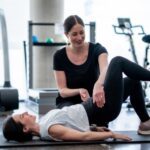
The Healing Benefits of Movement for Mental Health Challenges brings new meaning to proactive care. Tap into fresh strategies that promote movement and strength.


When you’re struggling with mental health challengeswhether it’s stress, anxiety, depression, or emotional burnoutit can feel like everything slows down. You might lose energy, motivation, and even connection to your own body. But movement, especially when supported by physiotherapy, offers a powerful and accessible way to heal.
At YourFormSux in Canada, movement is not just about physical healthit’s about helping you reconnect with your emotional self, improve your mental clarity, and build a foundation for long-term wellness.
Why Movement Matters in Mental Health Healing
Our bodies and minds are closely intertwined. The same stress that weighs on your thoughts also settles into your shoulders. The sadness that clouds your mood also weakens your posture. Movement activates the bodys natural healing mechanismsincluding mood-regulating hormones, improved circulation, and deepened breathall of which contribute to emotional recovery.
But its not just any movement that makes a difference. Purposeful, physiotherapist-guided movement is designed to help you reset your nervous system and release emotional tension.
How Movement Heals the Mind and Body
Heres how physiotherapy leverages movement to promote emotional healing:
1. Activating Mood-Enhancing Chemicals
Therapeutic movement increases the release of serotonin, dopamine, and endorphinsnatural chemicals that improve mood, reduce anxiety, and boost focus. These feel-good hormones help create mental space for emotional healing.
2. Calming the Nervous System
Chronic stress and anxiety keep the body in a state of fight or flight. Movement techniques that involve slow stretching, rhythmic breathing, and mindful mobility calm the nervous system and promote relaxation.
3. Releasing Stored Tension
Trauma and emotional pain are often held in the body. Tension in the neck, back, jaw, or hips can store years of emotional strain. Physiotherapy uses gentle mobilization and stretching to help the body release these patterns.
4. Building Self-Trust and Confidence
Mental health conditions often chip away at self-esteem. As you move, stretch, and build strength, you experience progress. This sense of achievement builds trust in your body and confidence in your ability to heal.
5. Reconnecting to the Present Moment
Mindful movement redirects your attention from anxious or negative thoughts to the present. This awareness enhances emotional regulation and encourages a grounded state of mind.
Common Mental Health Issues That Benefit from Movement
Clients at YourFormSux have experienced major improvements in emotional well-being through movement-based physiotherapy. Conditions that often respond well to this approach include:
Generalized anxiety disorder
Depression and low motivation
PTSD and trauma recovery
Stress-related physical symptoms
Mood swings and emotional instability
Whether your symptoms are chronic or newly developed, structured movement can help restore a sense of emotional control.
What a Healing Movement Program Looks Like
At YFS, each healing plan is personalized. You dont need to start with heavy workouts. Your physiotherapist will guide you through manageable, low-impact movement options like:
Deep breathing paired with slow stretching
Somatic exercises to build awareness of emotional patterns in the body
Gentle strength training to boost energy and stamina
Balance and posture routines that foster emotional stability
Mobility work to reduce stiffness and reconnect you with your physical self
The goal is to help you move without pressure and feel supported throughout your healing journey.
The Emotional Benefits of Moving With Support
Healing isnt just about getting betterits about feeling seen, heard, and empowered. Physiotherapy offers:
A safe, structured space to release emotional tension
A sense of progress even when words feel difficult
A reintroduction to the body as a source of healingnot just discomfort
Emotional breakthroughs that occur through physical transformation
Even just one movement session per week can shift how you feel mentally. Over time, the benefits multiplyresulting in more clarity, energy, and hope.
Final Thoughts
Movement is a form of medicineespecially when it’s tailored to your mental health needs. At YourFormSux in Canada, physiotherapists work with your whole self: mind, body, and nervous system. Youre never rushed or judged. Instead, youre supported through each stage of healing using techniques grounded in evidence, compassion, and care.
If youre living with mental health challenges, know that your body can help lead you toward recovery. Let movement be your starting point.