The Healing Benefits of Structural Integration for Full-Body Function explores targeted strategies for recovery. Discover new paths to mobility, healing, and personalized care.

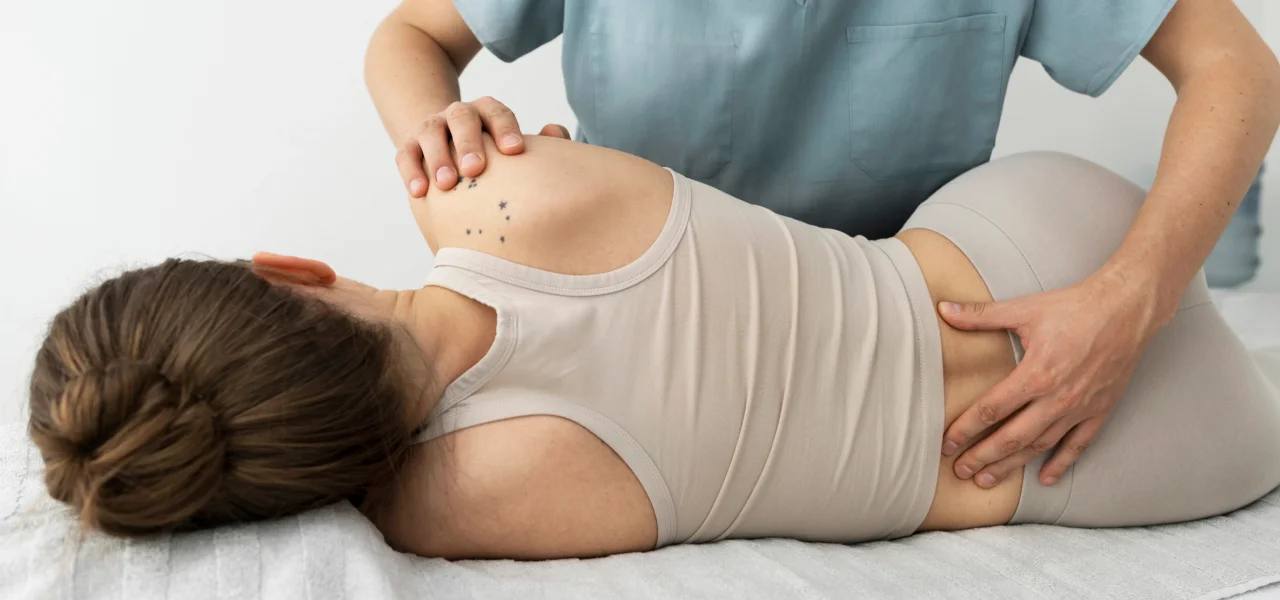
Structural Integration (SI), often referred to as Rolfing, is a holistic, hands-on therapy that focuses on the fasciathe connective tissue that envelops muscles, bones, and organsin order to improve the bodys alignment, posture, and overall function. Through deep tissue manipulation and myofascial release techniques, Structural Integration aims to release tension in the fascia, restore balance to the bodys structure, and improve mobility and flexibility. The primary goal of SI is not only to alleviate pain but also to enhance the body’s full-body function, ensuring that it moves freely, efficiently, and without discomfort.
Heres how Structural Integration benefits full-body function:
1. Restoring Proper Alignment and Postural Balance
One of the key objectives of Structural Integration is to restore optimal alignment and improve postural balance throughout the body. Misalignments in the spine, pelvis, or joints can lead to discomfort, stiffness, and poor function. When the body is out of alignment, it can create compensatory movements that strain muscles, ligaments, and joints, leading to pain and limited mobility.
Spinal realignment is often a key focus in SI, as the spine is central to body posture and movement. Misalignments in the spine can interfere with nerve function, cause muscle tension, and limit mobility. SI techniques work to realign the spine and improve posture, ensuring that the bodys structure is balanced and efficient.
Pelvic realignment is also crucial in maintaining postural balance. Misalignments in the pelvis can lead to imbalances in the lower body, contributing to back pain, hip discomfort, and knee issues. SI works to restore balance in the pelvis, improving weight distribution and reducing strain on the surrounding muscles and joints.
By improving alignment and balance, SI enhances overall body function, allowing the body to move more efficiently and comfortably.
2. Releasing Fascial Restrictions for Better Mobility
Fascia is a connective tissue that surrounds and supports muscles, bones, and organs. When fascia becomes tight or restricted due to poor posture, injury, or stress, it can limit flexibility, cause pain, and reduce movement. Structural Integration works to release these fascial restrictions through myofascial release and deep tissue manipulation techniques, allowing the body to move more freely and with greater ease.
Fascial release helps to break up adhesions in the connective tissue, which restores elasticity and allows for greater muscle and joint movement. This increases range of motion and flexibility, helping to restore natural movement patterns and improving overall mobility.
By improving fascia mobility, SI also reduces muscle tightness and discomfort, which helps the body move more fluidly and efficiently. This restoration of flexibility and mobility allows the body to perform daily activities with less pain and more freedom.
3. Enhancing Circulation and Tissue Health
Good circulation is essential for optimal body function. When tissues are deprived of proper blood flow, they can become stiff, inflamed, and prone to injury. Structural Integration promotes better circulation by releasing restrictions in the fascia, improving blood flow to muscles and joints.
Increased circulation helps deliver oxygen and nutrients to the muscles and tissues, which promotes healing and reduces inflammation. It also facilitates the removal of metabolic waste products from the tissues, supporting the bodys natural detoxification processes.
By improving lymphatic flow, SI helps to reduce swelling and promote tissue repair. This enhanced circulation ensures that the bodys tissues remain healthy, resilient, and capable of functioning properly.
Improved circulation and tissue health support full-body function by keeping the muscles, joints, and organs in optimal condition, helping the body move and recover more effectively.
4. Restoring Muscle Function and Reducing Muscle Imbalances
Muscle imbalanceswhere some muscles become tight and overactive while others become weak and underactivecan impair body function, cause pain, and restrict movement. Structural Integration works to restore muscle function by addressing these imbalances and promoting better coordination between muscle groups.
Myofascial release and muscle energy techniques are used to release tight muscles and activate weaker muscles, bringing the bodys musculature back into balance. This improves muscle coordination and ensures that muscles are working together to support the bodys movements.
By improving muscle function, SI helps reduce strain on the joints and fascia, which in turn improves overall body mechanics. This leads to more efficient movement and a reduction in pain caused by muscle imbalances.
Balancing muscle function ensures that the body moves with greater ease, strength, and coordination, improving overall movement efficiency and function.
5. Reducing Chronic Pain and Tension
Chronic pain is often the result of long-standing musculoskeletal issues, such as poor posture, muscle tension, joint misalignments, or fascial restrictions. Structural Integration helps to alleviate chronic pain by targeting the underlying causes of discomfort and improving the bodys structure and function.
By realigning the spine and releasing fascial tension, SI helps reduce the strain on muscles and joints, which alleviates pain and restores movement. This is particularly effective in treating chronic conditions like back pain, neck pain, and joint stiffness.
Postural correction and muscle relaxation techniques also help to reduce the tension that can accumulate in the body over time. By addressing the root causes of pain, SI provides long-lasting relief, rather than just masking the symptoms.
Reducing chronic pain and tension enhances overall function by allowing the body to move without discomfort, improving daily activities and quality of life.
6. Promoting Emotional Well-Being
Structural Integration not only addresses the physical body but also acknowledges the emotional connection to tension and pain. Stress and emotional trauma can manifest as tightness and discomfort in the body, particularly in the neck, shoulders, and lower back. SI promotes emotional well-being by releasing physical tension and improving body awareness.
Cranial-sacral therapy and gentle manipulation techniques are often used in SI to help relax the body and promote a sense of calm. By releasing deep-seated physical and emotional tension, SI helps individuals achieve a greater sense of emotional balance and relaxation.
As tension is released, individuals often experience a sense of freedom and lightness, contributing to an overall feeling of well-being. This emotional release can have a profound effect on the bodys overall function, helping it operate more efficiently and with less resistance.
By improving emotional well-being, SI enhances overall body function by reducing the mental and physical barriers that restrict movement and cause discomfort.
7. Enhancing Long-Term Body Health and Performance
Structural Integration not only helps alleviate immediate discomfort but also supports long-term body health and functional performance. Regular sessions help maintain alignment, flexibility, and muscle balance over time, ensuring that the body continues to perform optimally.
Preventive care is a major focus in Structural Integration. By maintaining proper alignment, releasing tension, and improving body mechanics, SI helps prevent the development of musculoskeletal issues in the future.
Movement re-education and postural awareness training provide individuals with the tools they need to maintain healthy movement patterns in everyday activities, reducing the risk of injury and ensuring long-term functional health.
Through regular treatments, SI helps individuals maintain optimal body function, improve mobility, and enhance performance over time.
Conclusion: Structural Integration and Full-Body Function
Structural Integration is a highly effective therapy for restoring full-body function by improving posture, releasing fascial restrictions, balancing muscle function, and enhancing overall movement. Through targeted techniques, SI realigns the body, reduces pain, and promotes efficient, fluid movement. By addressing the root causes of discomfort and dysfunction, SI helps the body move more freely, with less pain and greater ease.