The Healing Effects of Structural Integration on Chronic Muscular Pain explores targeted strategies for recovery. Discover new paths to mobility, healing, and personalized care.

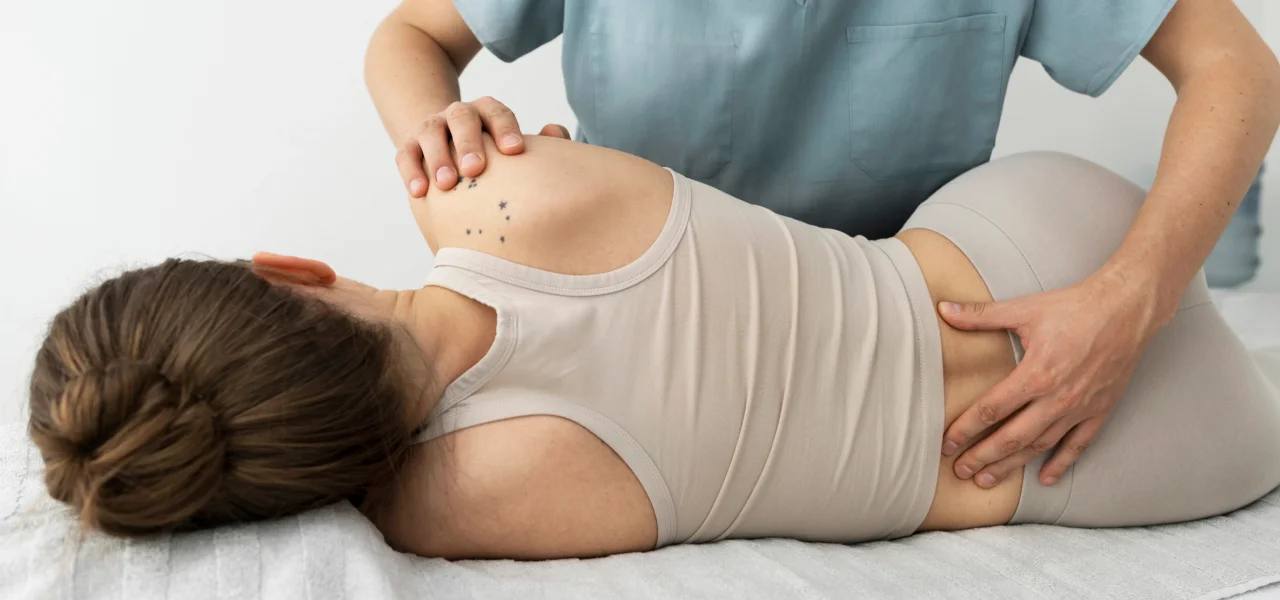
Chronic muscular pain is a common issue that affects many people, often leading to discomfort, restricted movement, and diminished quality of life. This type of pain can arise from various factors, including poor posture, muscle imbalances, stress, injury, or repetitive strain. Structural Integration (SI), often referred to as Rolfing, is a form of manual therapy that focuses on manipulating the fasciathe connective tissue surrounding muscles, bones, and organs. By addressing fascial restrictions, improving alignment, and restoring balance, Structural Integration offers significant healing benefits for individuals suffering from chronic muscular pain.
Heres how Structural Integration helps relieve chronic muscular pain:
1. Releasing Fascial Restrictions and Tension
The fascia is a dense connective tissue that surrounds muscles, joints, and organs, providing support and structure to the body. However, when the fascia becomes tight, restricted, or misalignedoften due to poor posture, injury, or repetitive movementsit can cause pain and stiffness in the muscles. Structural Integration works specifically to release these fascial restrictions, allowing the muscles to move more freely and reducing the pain caused by tension in the fascia.
Myofascial release is a key technique used in Structural Integration. It targets tight or restricted areas in the fascia, applying sustained pressure to loosen up the tissue and restore elasticity. As the fascia becomes more pliable, the muscles are freed from tension, leading to reduced pain and increased flexibility.
Deep tissue manipulation also works to release tight muscles and adhesions in the connective tissue. This helps alleviate muscular stiffness, promote circulation, and improve the overall function of the muscles, reducing chronic pain.
By releasing fascial restrictions, SI helps to restore flexibility in the muscles and reduce pain caused by chronic tension.
2. Improving Posture and Reducing Muscle Imbalances
Muscular pain is often linked to postural imbalances and muscle imbalances, where some muscles become overactive or tight while others become weak or underactive. This can lead to poor posture, inefficient movement patterns, and increased strain on certain muscles, which exacerbates pain. Structural Integration helps correct these imbalances and improve overall postural alignment.
Spinal and pelvic realignment are integral components of SI. By addressing misalignments in the spine and pelvis, SI restores balance throughout the body, ensuring that the muscles are no longer compensating for each other. This reduces strain on the muscles, particularly in the back, neck, and shoulders, which are often the sites of chronic pain.
Myofascial release and muscle energy techniques help relax tight muscles and activate weak ones, bringing the muscular system back into balance. This promotes better posture and reduces the chronic strain on overworked muscles.
By improving posture and balancing muscle function, Structural Integration reduces muscular pain caused by poor alignment and compensatory movements.
3. Restoring Muscle Function and Flexibility
Chronic pain often results from a loss of muscle function or muscle stiffness. When muscles become tight or overworked, they lose their ability to function efficiently, leading to discomfort and pain. Structural Integration works to restore both muscle function and flexibility by releasing muscle tension and improving the length and elasticity of the muscles.
Joint mobilization and myofascial release techniques improve the flexibility and range of motion in the muscles and joints. As the fascia and muscles become more flexible, the bodys ability to move without discomfort is restored.
Stretching and deep tissue techniques are used to improve the length of the muscles and fascia, making them more pliable and able to move freely. This reduces stiffness, prevents muscle strain, and helps alleviate the pain caused by tight, shortened muscles.
By restoring muscle function and flexibility, Structural Integration helps alleviate chronic muscular pain and allows for better movement and posture.
4. Improving Circulation and Tissue Healing
Chronic muscular pain can be exacerbated by poor circulation, as tight muscles and fascial restrictions limit the flow of blood and oxygen to the affected tissues. Structural Integration helps to improve circulation and promote tissue healing, which is essential for reducing pain and discomfort.
Manual therapy techniques like myofascial release and lymphatic drainage stimulate blood flow to the muscles and tissues, increasing the delivery of nutrients and oxygen that promote healing and repair.
As the fascia and muscles are released from tension, the circulatory system becomes more efficient, allowing the tissues to repair themselves more effectively and reducing inflammation that contributes to chronic pain.
By enhancing circulation, Structural Integration promotes healing and recovery in the muscles, helping to alleviate chronic pain and speed up the bodys natural healing processes.
5. Reducing Stress and Promoting Relaxation
Chronic pain can often be linked to emotional and physical stress. Tension and stress accumulate in the muscles, particularly in areas like the neck, shoulders, and lower back, contributing to pain. Structural Integration not only addresses the physical causes of muscle pain but also promotes relaxation and reduces stress in the body.
Cranial-sacral therapy and gentle manipulation techniques help to activate the parasympathetic nervous system, which is responsible for the bodys relaxation response. These techniques help to release deep-seated tension, reduce stress, and alleviate pain.
By working to release both physical tension and emotional stress, SI helps to restore a sense of balance and well-being, which can reduce the intensity of chronic pain.
By addressing both physical and emotional stress, Structural Integration helps individuals feel more relaxed and less tense, contributing to pain relief and overall wellness.
6. Preventing Future Muscle Strain and Pain
One of the key benefits of Structural Integration is its ability to prevent future muscle strain and chronic pain. While SI provides immediate relief from muscular discomfort, it also helps create lasting changes in the bodys structure, movement patterns, and posture.
Movement education is an important component of SI. Osteopaths and practitioners help individuals understand how to move efficiently and avoid putting unnecessary strain on muscles and joints. By learning to move with proper alignment and body mechanics, individuals reduce the risk of future injuries or muscle strain.
Postural education ensures that individuals maintain better posture throughout the day, whether sitting, standing, or lifting. This reduces the risk of developing tension and discomfort in the muscles over time.
By addressing the root causes of pain and teaching individuals how to move and posture correctly, Structural Integration helps prevent future muscle strain and reduces the risk of chronic pain returning.
7. Enhancing Overall Body Function and Flexibility
Structural Integration is a comprehensive approach to improving overall body function. By restoring balance to the bodys structure, it enhances movement efficiency, which not only alleviates muscular pain but also promotes flexibility and long-term health.
Fascial release and joint mobilization techniques ensure that the body moves freely and fluidly, without restrictions or discomfort. This promotes better posture, improved joint function, and greater overall flexibility.
The focus on alignment and body awareness ensures that the body remains balanced and mobile, reducing the likelihood of pain or injury in the future.
By improving overall body function, Structural Integration supports muscular health and flexibility, allowing individuals to perform physical tasks with greater ease and less pain.
Conclusion: Structural Integration for Chronic Muscular Pain Relief
Structural Integration offers a holistic and effective approach to relieving chronic muscular pain by addressing fascial restrictions, improving alignment, restoring muscle function, and enhancing circulation. Through techniques such as myofascial release, spinal manipulation, joint mobilization, and postural education, SI helps to release tension in the muscles and fascia, reduce pain, and restore flexibility. This not only provides immediate relief but also supports long-term muscular health and flexibility, reducing the risk of future pain and injury.