The Healing Potential of Structural Integration for Fascia and Soft Tissue explores targeted strategies for recovery. Discover new paths to mobility, healing, and personalized care.

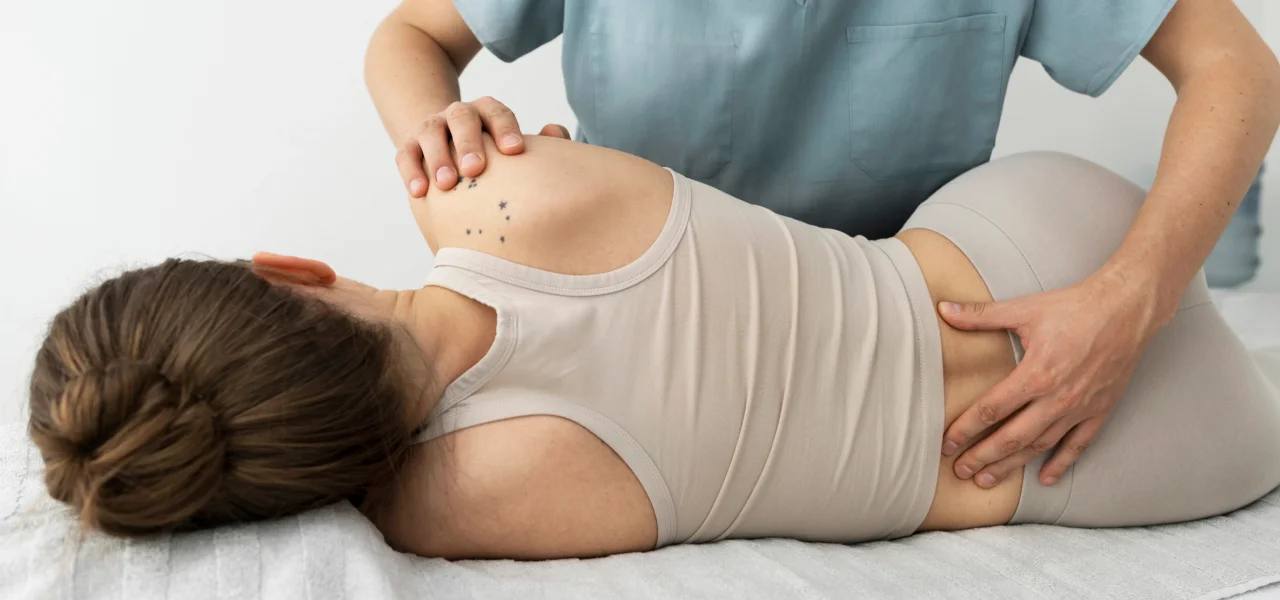
Fascia and soft tissue play a crucial role in how your body functions and feels. This intricate network of connective tissue surrounds muscles, bones, nerves, and organs, providing support, structure, and flexibility. But when fascia becomes tight, restricted, or injured, it can cause pain, limit mobility, and disrupt your bodys harmony.
Structural Integration (SI) is a hands-on therapy designed to tap into your bodys remarkable healing potential by releasing fascial restrictions and restoring soft tissue health.
What Is Fascia and Why Does It Matter?
Fascia is a continuous web of connective tissue that:
Supports and connects muscles and bones
Transmits forces and movement throughout the body
Contains nerves that contribute to body awareness and pain perception
Adapts to posture, movement, and injury
When fascia is healthy, its flexible and resilient. But injury, stress, or poor habits can cause fascia to become stiff, sticky, or dehydrated, leading to pain and limited movement.
How Structural Integration Supports Healing
1. Releases Fascial Restrictions
SI uses slow, targeted manual pressure to break down adhesions and tight areas in the fascia. This restores its natural glide and elasticity, allowing muscles and joints to move freely.
2. Promotes Tissue Hydration and Nutrition
By improving circulation and lymphatic flow, SI helps re-hydrate fascia and soft tissues, supporting cellular repair and reducing inflammation.
3. Balances Muscle Tension
SI helps correct imbalances where some muscles are overworked and others are weak, reducing chronic strain on soft tissues and promoting better function.
4. Enhances Nervous System Communication
Working with fascia, which is rich in nerve endings, SI improves proprioception and body awareness, supporting better movement patterns and reducing pain.
5. Encourages Long-Term Structural Change
Unlike quick fixes, SI fosters lasting improvements by retraining how your fascia and muscles work together, helping prevent re-injury and chronic pain.
Who Can Benefit?
People recovering from injury or surgery
Those with chronic soft tissue pain or stiffness
Athletes seeking improved performance and recovery
Anyone wanting a deeper connection with their body
Final Thoughts
Structural Integration unlocks the healing potential of your fascia and soft tissues by restoring flexibility, balance, and communication within your body. Through this gentle yet profound process, you can experience greater ease of movement, less pain, and a renewed sense of wellbeing.