The Healing Power of Massage Therapy for Chronic Stress Relief brings new meaning to proactive care. Discover fresh strategies that promote movement and strength.

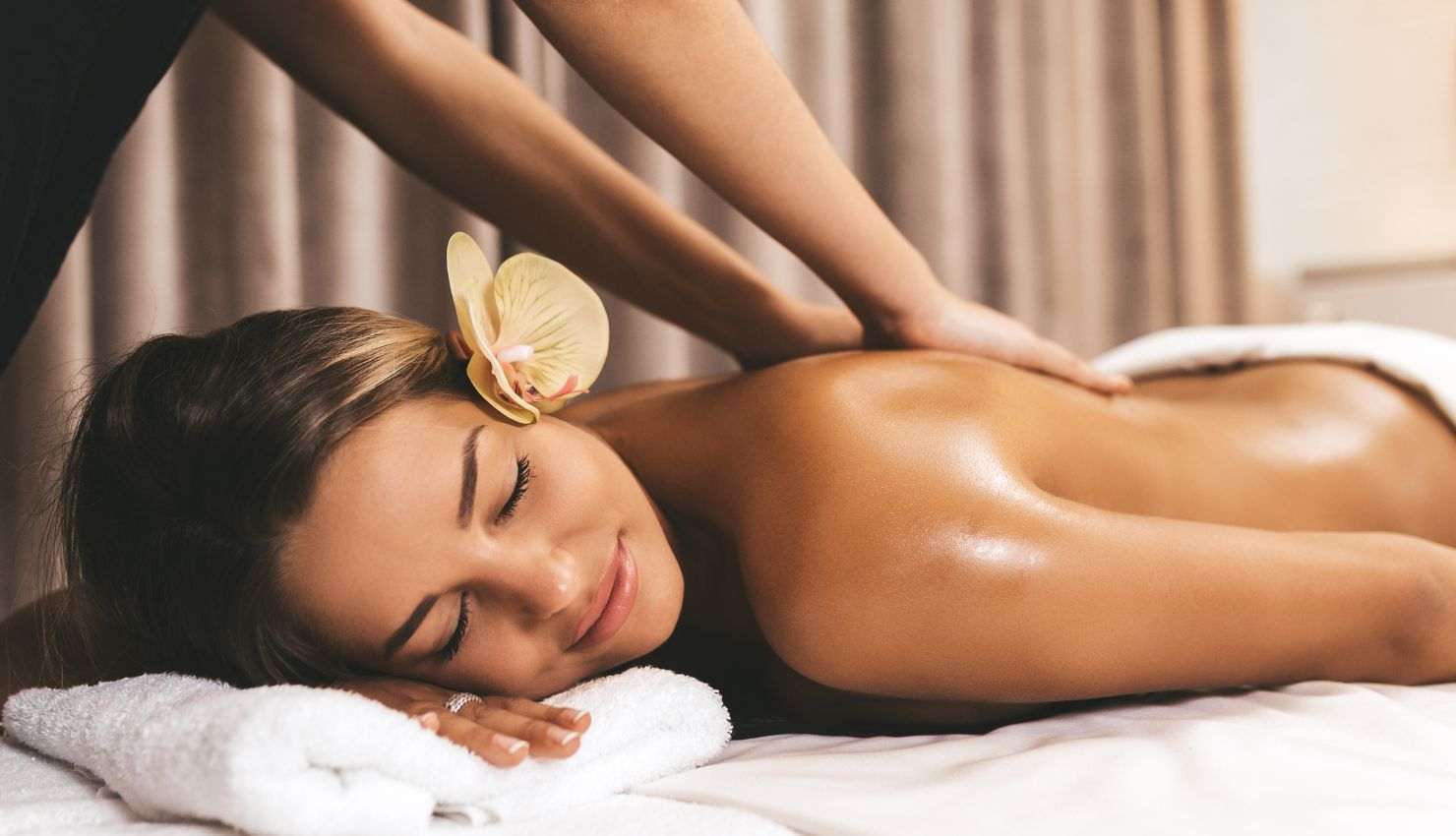
In todays hectic world, stress seems almost unavoidable. Between work pressures, family responsibilities, and the constant buzz of digital life, many of us carry chronic stress without even realizing its full impact on our bodies and minds. While there are many ways to cope with stress, one natural and profoundly effective method is massage therapy.
Massage isnt just a luxury or a momentary escapeits a powerful tool for healing chronic stress and restoring balance. Lets dive into how massage therapy works to relieve stress and why it might be exactly what you need to feel more relaxed, focused, and healthy.
What Is Chronic Stress?
Stress, in small doses, is a normal part of life and can even be helpful in motivating us. However, chronic stress occurs when stressors persist over time without adequate relief. This leads to a continuous fight or flight state in the body, where stress hormones like cortisol and adrenaline remain elevated.
This prolonged stress response can cause:
Muscle tension and pain
Headaches and migraines
Fatigue and sleep disturbances
Weakened immune function
Anxiety and depression
Digestive issues and other physical ailments
Because stress affects both body and mind, an approach that addresses the whole person is essential for true relief.
How Massage Therapy Heals Chronic Stress
Massage therapy has been used for centuries to promote relaxation and well-being. Scientific research now supports what many have experienced firsthand: massage effectively reduces stress on multiple levels.
1. Physical Relaxation of Muscle Tension
Chronic stress causes muscles to stay tight and contracted, often leading to persistent pain in areas like the neck, shoulders, and back. Massage therapy works by gently kneading and stretching these muscles, releasing built-up tension. This physical relaxation helps break the cycle of pain and stress.
2. Reduction of Stress Hormones
Studies show that massage therapy lowers cortisol levelsthe hormone directly linked to stresswhile increasing serotonin and dopamine, neurotransmitters that promote happiness and calm. This biochemical shift helps calm the nervous system and restores balance.
3. Activation of the Parasympathetic Nervous System
Massage stimulates the parasympathetic nervous system, often called the rest and digest system. This activation slows heart rate, lowers blood pressure, and encourages deep breathing, putting your body into a relaxed, restorative state. This contrasts with the stress-induced fight or flight response.
4. Improvement in Sleep Quality
Stress often disrupts sleep, creating a vicious cycle of fatigue and tension. Regular massage therapy has been shown to improve sleep patterns by promoting relaxation and reducing discomfort that interferes with rest.
5. Mental Clarity and Emotional Balance
Massage doesnt just relax the bodyit also helps clear the mind. Many people report feeling more focused, less anxious, and emotionally balanced after massage sessions. This mental clarity is crucial in managing stress effectively.
Types of Massage That Are Especially Effective for Stress Relief
Swedish Massage: Known for its gentle, flowing strokes, it promotes overall relaxation and reduces muscle tension.
Aromatherapy Massage: Combines massage with essential oils to enhance mood and relaxation.
Reflexology: Targets pressure points on the feet or hands to influence the nervous system.
Myofascial Release: Works on connective tissues to relieve deep muscle tension.
A professional massage therapist can help you choose the best approach based on your stress levels and preferences.
Integrating Massage Therapy Into a Stress Management Routine
For lasting benefits, massage therapy works best when part of a holistic stress management plan. Consider pairing massage with:
Mindfulness meditation or yoga
Regular physical activity
Healthy nutrition and hydration
Adequate sleep and rest
Time management and setting boundaries
Together, these practices create a balanced lifestyle that supports both body and mind.
Why Choose Professional Massage Therapy?
While self-massage and relaxation techniques can help, professional massage therapy offers skilled hands trained to target tension with precision and adapt techniques to your individual needs. In Canada, massage therapy is widely recognized as a complementary health practice, with many clinics specializing in stress relief.
Final Thoughts
Chronic stress can take a heavy toll on your health and happiness, but massage therapy offers a powerful path to healing and restoration. By releasing muscle tension, lowering stress hormones, and calming the nervous system, massage helps you reconnect with your bodys natural ability to relax and recover.
If youre feeling overwhelmed by lifes demands, consider booking a massage therapy session. Its more than just a treatits an investment in your well-being that can ripple into every aspect of your life.