The Healing Power of Structural Integration for Restoring Muscle Function explores targeted strategies for recovery. Discover new paths to mobility, healing, and personalized care.

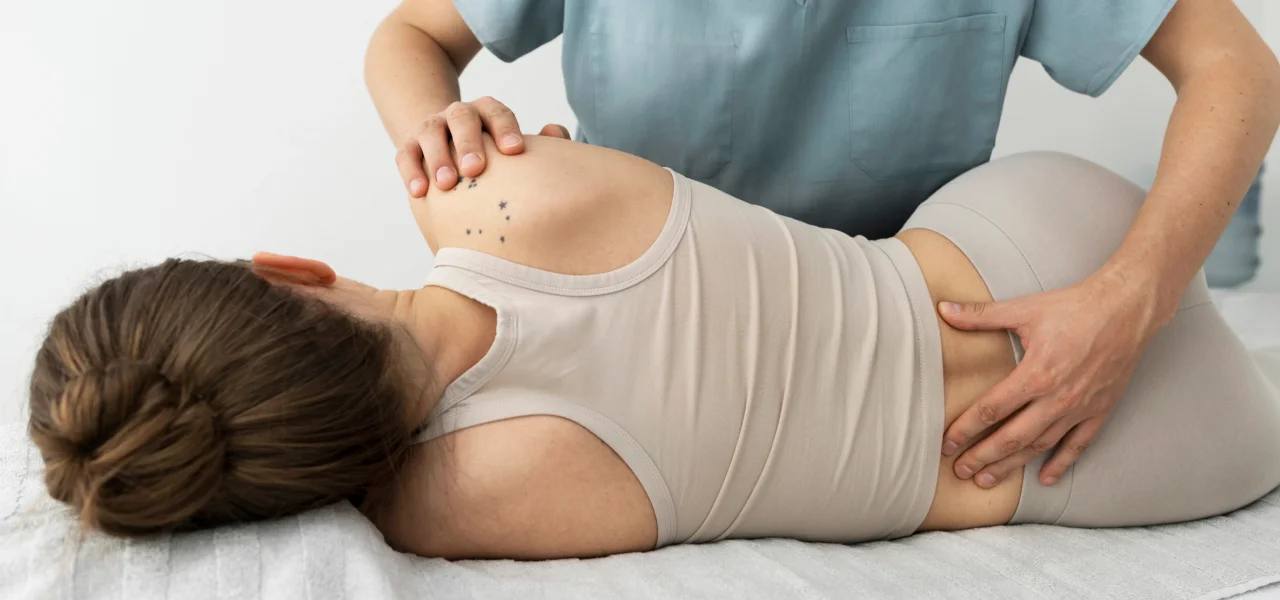
Structural Integration (SI), also known as Rolfing, is a holistic bodywork technique designed to improve the alignment and function of the musculoskeletal system. One of its core benefits is its ability to restore muscle function, addressing both chronic pain and movement inefficiencies. By working specifically with the fasciathe connective tissue that surrounds muscles, bones, and organsStructural Integration releases restrictions, realigns the body, and enhances overall muscle function, leading to improved posture, mobility, and flexibility.
What is Structural Integration?
Developed by Dr. Ida Rolf in the mid-20th century, Structural Integration focuses on the manipulation of the bodys fascia to improve body alignment and relieve tension. Fascia is a connective tissue that forms a web-like structure throughout the body, providing support to muscles, bones, and organs. Over time, fascia can become restricted or tight due to poor posture, injury, repetitive strain, or emotional stress. These restrictions can limit movement, cause discomfort, and impair muscle function.
Through a series of deep tissue manipulations, Structural Integration seeks to release these fascial restrictions and realign the body. This process restores balance to the bodys structure, promoting better posture and more efficient movement patterns. When fascia is released and the body is realigned, muscle function is restored, leading to enhanced mobility and reduced pain.
How Structural Integration Restores Muscle Function
Releasing Fascial Restrictions
Fascia that becomes tight or restricted can cause muscles to lose their natural elasticity and range of motion. This can lead to stiffness, muscle weakness, and discomfort. Structural Integration focuses on releasing these fascial restrictions by applying deep tissue manipulation to the affected areas.
When fascia is freed from tension, the surrounding muscles are allowed to lengthen and contract more efficiently. This restored flexibility allows for more fluid movement and enables muscles to function optimally, improving both posture and muscle coordination.
Correcting Muscle Imbalances
Muscle imbalances occur when certain muscles are overactive (tight or shortened) and others are underactive (weak or overstretched). These imbalances often result from poor posture, repetitive movement, or injury. For example, tight hip flexors can pull the pelvis out of alignment, leading to discomfort and restricted movement.
Structural Integration addresses muscle imbalances by releasing tight muscles and activating weaker ones. By working with the fascia and muscles, SI realigns the bodys structure and restores balanced muscle function. This not only relieves pain but also allows muscles to work in harmony, improving overall movement patterns.
Enhancing Range of Motion and Flexibility
Tight muscles and restricted fascia often lead to a decrease in range of motion and flexibility, which can affect daily activities and athletic performance. Structural Integration helps improve flexibility by releasing tension in the muscles and fascia, allowing the body to move more freely.
As SI works to lengthen and relax the muscles, it restores their natural range of motion. Increased flexibility enables the body to perform movements with less effort, reducing the risk of injury and improving muscle function during both exercise and daily activities.
Realigning the Bodys Structure
Poor posture and body misalignments can lead to uneven muscle tension, pain, and restricted movement. When the body is misaligned, certain muscles may become overworked, while others are underused, leading to discomfort and dysfunction. Structural Integration works to realign the bodys structure, particularly the spine, pelvis, and shoulders.
By addressing postural misalignments and restoring the bodys natural symmetry, SI helps reduce the strain placed on muscles and joints. This promotes better muscle function, as muscles no longer have to compensate for poor alignment, allowing for more efficient and coordinated movement.
Improving Circulation and Muscle Nourishment
When muscles are tight or restricted, circulation is often compromised. This can lead to a lack of oxygen and nutrients reaching the muscles, which slows down the healing process and contributes to muscle stiffness. Structural Integration promotes better circulation by releasing fascial restrictions and improving tissue mobility.
With increased blood flow, muscles receive the oxygen and nutrients they need for optimal function and recovery. This not only supports muscle healing but also reduces the risk of muscle fatigue, soreness, and cramping.
Alleviating Muscle Tension and Pain
Chronic muscle tension is a common issue that can impair muscle function and lead to pain. Whether from stress, poor posture, or injury, persistent muscle tension can limit movement and cause discomfort. Structural Integration helps alleviate muscle tension by releasing tight fascia and stimulating the relaxation of overactive muscles.
By addressing the root causes of muscle tension and imbalances, SI reduces the pain associated with muscle dysfunction. This helps restore the muscles ability to move freely and function properly, improving both comfort and performance.
Supporting the Healing of Injuries
Injuries to muscles and soft tissues can disrupt normal function and lead to long-term stiffness or weakness. Whether from a sports injury, accident, or overuse, the recovery process often involves muscle rebuilding and realignment. Structural Integration supports the healing of these injuries by improving circulation, restoring movement patterns, and releasing scar tissue or adhesions.
By encouraging proper alignment and addressing fascial restrictions, SI helps the body heal more efficiently. This supports muscle function, reduces the risk of future injury, and ensures that the muscles return to their optimal state after an injury.
The 10-Series: A Structured Approach to Muscle Restoration
Structural Integration is often delivered in a series of 10 sessions, each with a specific focus and goal. The 10-Series is progressive, with each session building upon the last to achieve lasting improvements in muscle function, flexibility, and alignment. The sessions typically follow this pattern:
Sessions 1-3: Focus on the superficial layers of fascia and muscles, addressing general body alignment and posture.
Sessions 4-7: Work on deeper layers of fascia and muscle imbalances, addressing the spine, pelvis, and shoulders.
Sessions 8-10: Focus on integrating the changes, fine-tuning muscle function, and optimizing movement patterns for long-term health.
By the end of the 10-Series, many individuals experience improved muscle flexibility, better posture, reduced pain, and enhanced movement efficiency.
Long-Term Benefits of Structural Integration for Muscle Function
Improved Muscle Function: By releasing tight fascia and balancing muscle activity, SI restores optimal muscle function, enabling more efficient and fluid movement.
Increased Flexibility: Structural Integration increases the range of motion in muscles and joints, improving overall flexibility and reducing the risk of injury.
Pain Relief: SI helps alleviate chronic pain by addressing the underlying causes, such as muscle tension, imbalances, or postural issues.
Enhanced Performance: For athletes or active individuals, SI enhances movement efficiency, strength, and coordination, leading to improved performance and reduced fatigue.
Injury Prevention: By realigning the body and correcting muscle imbalances, SI reduces the risk of future injuries and supports long-term muscle health.
Conclusion: The Healing Power of Structural Integration
Structural Integration is a powerful and effective method for restoring muscle function. Through its focus on the fascia, muscles, and body alignment, SI helps release tension, improve flexibility, correct muscle imbalances, and restore natural movement patterns. Whether you are recovering from an injury, seeking relief from chronic pain, or aiming to improve your performance and flexibility, Structural Integration offers a comprehensive solution that promotes long-term muscle health and overall well-being. By addressing the root causes of muscle dysfunction, SI enables the body to move with greater ease and efficiency, leading to a more balanced, pain-free life.