The Impact of Physiotherapy on Dance Performance and Injury Prevention explores targeted strategies for recovery. Discover new paths to mobility, healing, and personalized care.

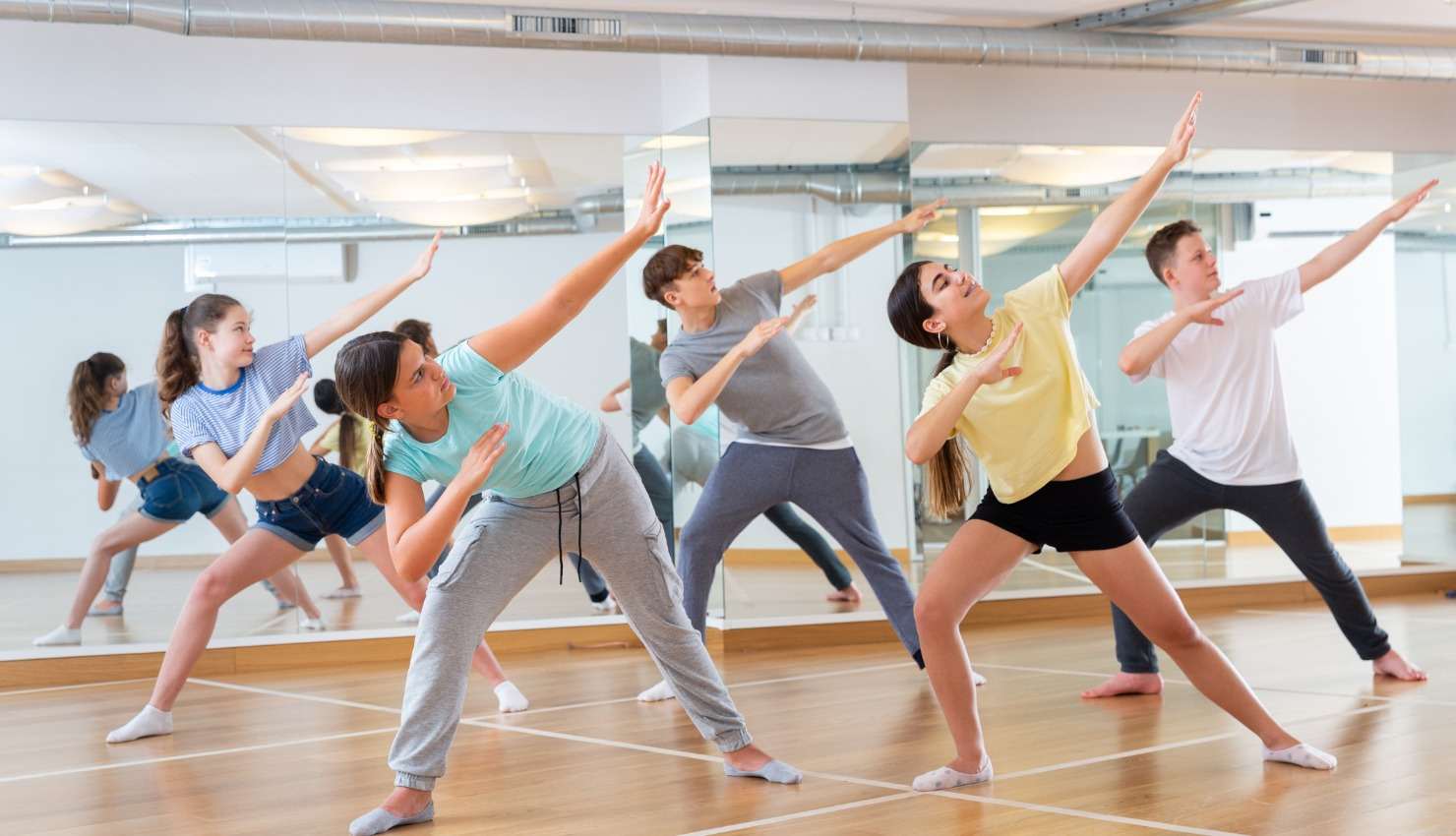
Dance is a demanding physical discipline that challenges the bodys strength, flexibility, coordination, and endurance. To excel and sustain a long-lasting career, dancers need to balance intense training with proper care. Physiotherapy plays a crucial role in enhancing dance performance and preventing injuries, making it an indispensable partner for dancers at every level.
Enhancing Dance Performance Through Physiotherapy
Physiotherapy improves dance performance by optimizing body mechanics and muscular function. Through detailed assessments, physiotherapists identify movement inefficiencies and physical limitations that may hinder a dancers ability to perform at their best.
Targeted interventions such as strengthening weak muscles, increasing joint mobility, and improving core stability help dancers achieve greater control, power, and fluidity. Enhanced proprioception and neuromuscular coordination further refine technique and reduce unnecessary tension, leading to more graceful and precise movements.
Customized Training Programs
Physiotherapists design individualized exercise programs tailored to each dancers style, goals, and physical condition. These programs integrate strength training, flexibility work, balance exercises, and cardiovascular conditioning, ensuring a holistic approach to fitness that complements dance practice.
By addressing the unique demands of different dance disciplineswhether ballet, hip-hop, jazz, or contemporaryphysiotherapy supports dancers in reaching peak performance safely.
Injury Prevention: A Key Benefit of Physiotherapy
Dance involves repetitive movements and high-impact activities that increase injury risk. Physiotherapy plays a preventive role by identifying risk factors such as muscle imbalances, poor alignment, and improper technique.
Through biomechanical analysis and functional movement screening, physiotherapists detect potential issues before they lead to injury. They then implement corrective exercises, manual therapy, and education on body awareness and safe training practices.
Common Dance Injuries Addressed by Physiotherapy
Physiotherapy targets frequent dance injuries such as:
Tendonitis and bursitis
Stress fractures and shin splints
Ankle sprains and instability
Muscle strains and ligament sprains
Joint pain in hips, knees, and ankles
Early intervention and ongoing maintenance reduce downtime and promote faster recovery.
Supporting Recovery and Return to Dance
When injuries occur, physiotherapy guides rehabilitation with a focus on restoring function, strength, and confidence. Rehabilitation plans include pain management, mobility exercises, strength rebuilding, and gradual reintroduction of dance-specific activities.
Physiotherapists also educate dancers on injury prevention techniques to avoid recurrence.
Promoting Long-Term Dance Health
Regular physiotherapy sessions serve as a proactive approach to maintaining dancer health. Routine assessments and treatments help manage minor niggles, improve posture, and optimize muscle function.
This long-term care supports sustainable dancing, reducing the risk of chronic conditions and wear-and-tear injuries.
Mental Benefits of Physiotherapy
In addition to physical advantages, physiotherapy provides mental reassurance. Knowing you have expert guidance to manage pain and prevent injury enhances confidence, reduces anxiety, and fosters a positive mindsetkey ingredients for artistic expression and performance success.
Conclusion: PhysiotherapyYour Ally in Dance Excellence
The impact of physiotherapy extends beyond injury treatment to actively enhancing dance performance and longevity. By integrating physiotherapy into your training routine, you empower yourself to dance stronger, safer, and with greater artistry.
Invest in physiotherapy to protect your body, improve your skills, and enjoy a fulfilling dance career free from unnecessary setbacks.