Postpartum recovery is often portrayed as a time focused solely on newborn care, but its also a critical period for a womans physical healingespecially when it comes to pelvic health. Pregnancy and childbirth place extraordinary strain on the pelvic floor, core, and surrounding tissues.

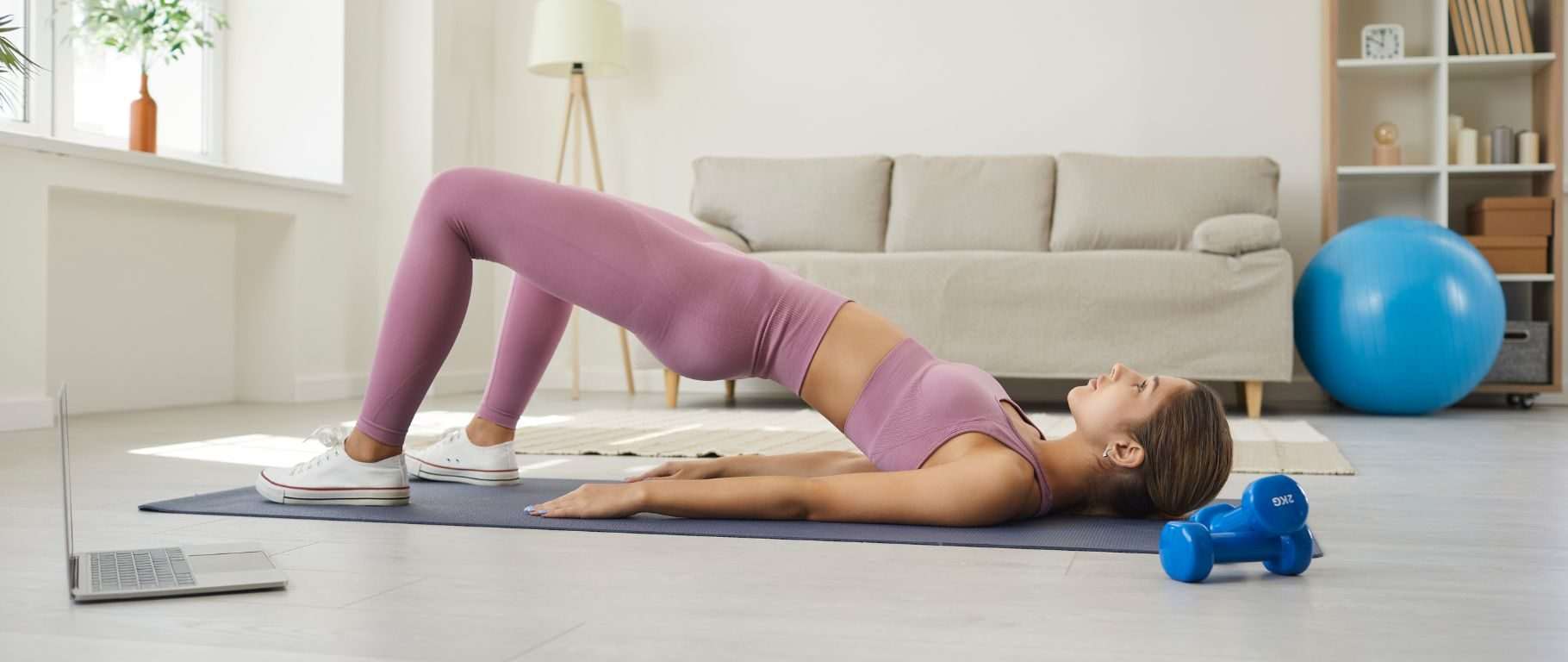
Postpartum recovery is often portrayed as a time focused solely on newborn care, but its also a critical period for a womans physical healingespecially when it comes to pelvic health. Pregnancy and childbirth place extraordinary strain on the pelvic floor, core, and surrounding tissues. Without adequate support and rehabilitation, many women experience long-term pelvic issues that affect their comfort, confidence, and quality of life. Physiotherapy plays a vital role in restoring pelvic health after childbirth.
How Childbirth Affects Pelvic Health
During vaginal birth, the pelvic floor muscles stretch to allow the babys passage through the birth canal. In some cases, these muscles can tear, weaken, or become overstretched. Even cesarean deliveries do not spare the pelvic floor from strain, as pregnancy itself puts pressure on the area for months.
Common postpartum pelvic health issues include:
Urinary incontinence
Pelvic organ prolapse
Painful intercourse
Chronic lower back or hip pain
Pelvic floor muscle weakness
Constipation or bowel control issues
Diastasis recti (abdominal separation)
Many women believe these symptoms are normal or unavoidable, but with the right physiotherapy support, they can be treated and often reversed.
The Importance of Early Postpartum Physiotherapy
In the first six to eight weeks after delivery, the body begins to heal naturally. However, targeted physiotherapy during this phase accelerates recovery, prevents complications, and sets the foundation for long-term pelvic wellness. Physiotherapists trained in postpartum care help women safely rebuild strength, manage pain, and restore function.
1. Postpartum Pelvic Floor Assessment
A pelvic health physiotherapist assesses the condition of the pelvic floor muscles after childbirth. This includes checking for:
Muscle tone and strength
Scarring or adhesions from episiotomies or tears
Coordination and endurance of pelvic floor contractions
Symptoms of prolapse or incontinence
This personalized evaluation informs a rehabilitation plan that matches the individuals delivery experience and healing timeline.
2. Pelvic Floor Strengthening Exercises
After childbirth, the pelvic floor often lacks the strength and support needed for daily tasks. Physiotherapists guide women through a progressive strengthening program that may include:
Gentle activation of pelvic floor muscles (often starting with breathwork)
Slow and sustained holds to build endurance
Quick contractions to improve reflexive control during coughing or sneezing
Functional movements like lifting or squatting while engaging the pelvic floor
These exercises help reduce urinary leakage, improve organ support, and prevent long-term dysfunction.
3. Core Rehabilitation and Diastasis Recti Management
Pregnancy can cause the abdominal muscles to stretch and separate, a condition known as diastasis recti. This weakens core support and places additional strain on the pelvic floor. Physiotherapists offer safe, targeted core exercises to gradually close the gap, improve posture, and stabilize the spine.
Proper core rehabilitation reduces back pain and protects against future pelvic floor issues.
4. Scar Tissue and Pain Management
Women who experience perineal tearing, episiotomy, or cesarean delivery may develop scar tissue that limits mobility and causes discomfort. Physiotherapists use techniques such as:
Scar tissue mobilization
Myofascial release
Gentle internal and external soft tissue work
These methods improve tissue mobility, promote circulation, and reduce pain during movement or intercourse.
5. Bladder and Bowel Retraining
Postpartum hormonal shifts and nerve changes can disrupt bladder and bowel control. Physiotherapists provide education and strategies for:
Reducing urgency and frequency
Preventing constipation through pelvic floor relaxation and dietary habits
Rebuilding bowel control after tearing or trauma
Restoring normal voiding patterns is essential for pelvic stability and daily comfort.
6. Movement and Posture Support for Motherhood
Caring for a newborn involves repetitive bending, lifting, and feedingoften in awkward positions. These activities can strain the healing pelvic floor and lead to pain or injury. Physiotherapists teach safe lifting techniques, ergonomic positioning, and body mechanics that support healing while adapting to the demands of motherhood.
7. Mental and Emotional Recovery
Postpartum pelvic health challenges can affect a womans self-esteem, intimacy, and mental health. Physiotherapy offers a safe space for women to discuss concerns and regain confidence in their bodies. Feeling physically strong and in control supports emotional resilience during the transition to motherhood.
When to Seek Postpartum Physiotherapy
Women should consider seeing a pelvic health physiotherapist after birth if they experience:
Leakage of urine or stool
A heavy or dragging feeling in the pelvic area
Pain with intercourse
Difficulty activating the pelvic floor or core
Persistent lower back, hip, or pelvic pain
Delayed healing or scar discomfort
However, even without symptoms, a postpartum check-in with a physiotherapist is beneficial for long-term pelvic health maintenance.
A Foundation for Lifelong Pelvic Health
The postpartum period is a key window for healing, and physiotherapy ensures that women recover not just enough to get through the daybut enough to thrive. Addressing pelvic health early reduces the risk of chronic conditions, improves daily function, and empowers women to feel strong and supported throughout every stage of life.