Pregnancy doesnt just change your heartit affects your pelvic floor too. Here’s what every expectant or new mother should know.

Pregnancy doesnt just change your heartit affects your pelvic floor too. Here’s what every expectant or new mother should know.
Pregnancy is a transformative journey, reshaping not only your physique but also your pelvic health. As your baby grows, the pelvic floorcomposed of muscles, ligaments, and connective tissuesbears increased responsibility. Hormonal shifts and physical stress can lead to pelvic pain, urinary incontinence, and structural strain. At Your Form Sux (YFS), we understand both the intimate concerns of pregnancy and the importance of accessible care in Canada. Lets explore how you can support pelvic wellness from bump to baby and beyond.
Understanding Pregnancy-Related Pelvic Changes
1. Pelvic floor weakening and urinary incontinence
Growing uterine weight places continuous pressure on pelvic floor muscles, which are already softened by pregnancy hormones like relaxin and progesterone. This combination increases the risk of stress urinary incontinenceleaking triggered by coughing, sneezing, laughing, or exercising.
2. Pelvic girdle pain (PGP) and symphysis pubis dysfunction (SPD)
Ligaments around your pelvis loosen in preparation for delivery. For some women, this leads to discomfort, sharp groin pain, and pelvic instabilityespecially when walking, climbing stairs, or turning over in bed.
3. Diastasis recti and postural shifts
As the uterus expands, the abdominal muscles may separate along the linea alba (diastasis recti), contributing to poor posture and additional pelvic strain. That separation can complicate pelvic floor coordination, compounding discomfort.
Why Pelvic Health Matters During Pregnancy
Neglecting pelvic health during pregnancy can have long-term repercussionsranging from persistent back or pelvic pain to chronic leakage and prolapse. Early intervention not only eases pregnancy symptoms but also fosters stronger recovery postpartum. Focused pelvic floor exercises and supportive measures can significantly reduce the risk of diastasis recti and improve core stability.
Proactive Pelvic Care Strategies
1. Daily pelvic floor exercises (Kegels)
Targeted pelvic floor strengthening is essential. To perform a Kegel:
Sit or lie down comfortably.
Tighten the muscles around the urethra and anus as if stopping urine flow.
Hold for 510 seconds, then relax for an equal amount of time.
Perform three sets of 10 reps daily. Consistency mattersperfect form over repetition.
2. Prenatal core and pelvic stability workouts
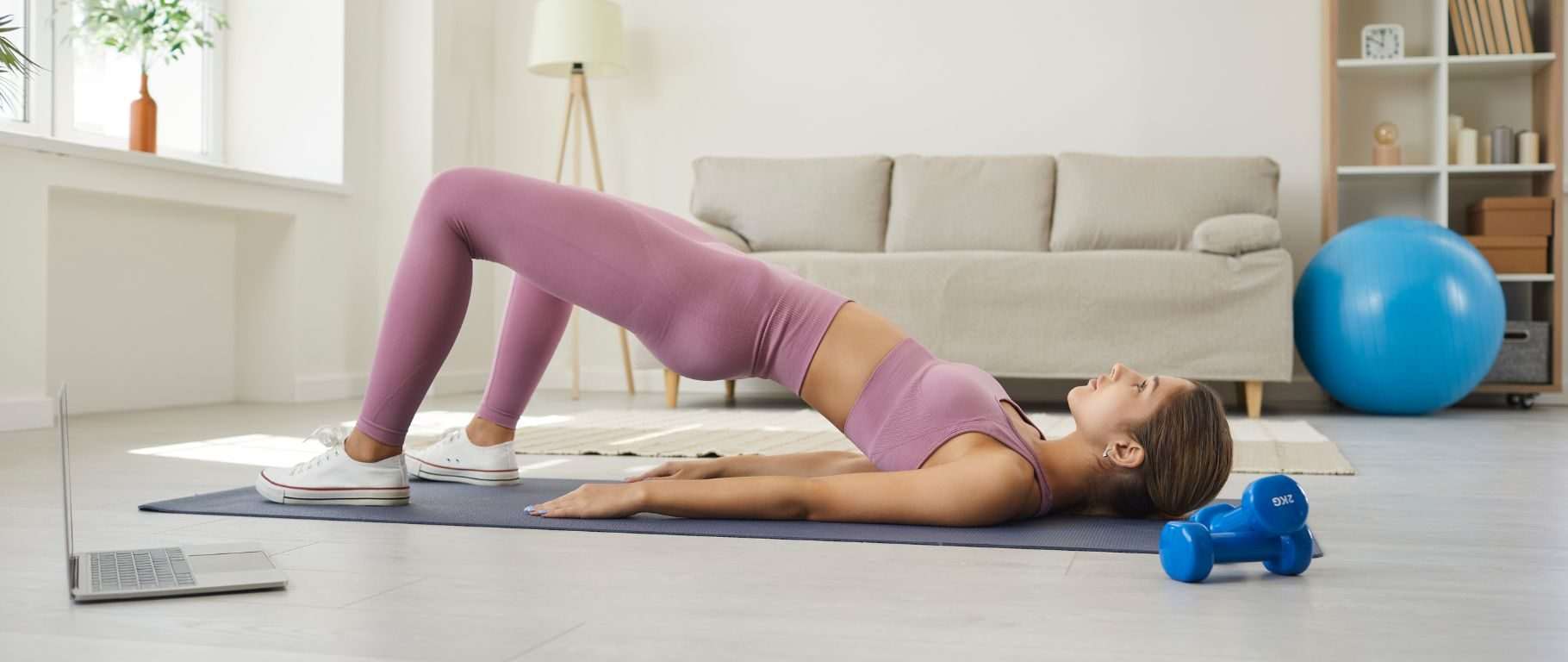
Low-impact activitieslike prenatal yoga, swimming, or gentle Pilatespromote core integration and pelvic alignment. Incorporate exercises such as bridges and modified planks to engage supporting muscles without undue strain.
3. Support belts and maternity wear
A quality pelvic support or maternity belt can offer relief for SPD and pelvic girdle pain. Position it beneath your belly to redistribute uterine weight and stabilize your sacroiliac joints.
4. Mindful posture and ergonomics
As pregnancy advances, adjust daily posture:
Keep hips squared and weight balanced.
Avoid crossing legs while seated.
Sleep using supportive pillowsbetween knees, beneath the bellyto maintain spinal alignment.
Regularly alternate between standing, sitting, and walking to avoid static low-back and pelvic stress.
5. Pelvic health professional consultations
Certified pelvic floor physiotherapists, doulas, and obstetric physiotherapists can identify muscle dysfunction, provide guided therapy, and teach corrective techniques. Early referralideally in the second trimesteryields optimal outcomes.
6. Manage pressure with bladder habits
Frequent urination is normal, but prevent excessive bladder pressure:
Limit caffeinated beverages.
Avoid holding urine for extended periods.
Practice timed voiding and double voiding to reduce leakage.
7. Integrate breathing with movement
Coordinating diaphragmatic breathing with pelvic-floor exercises enhances mind-body connection. Inhale to relax, exhale to gently engage floor musclesespecially during movement or exertion.
Postpartum Pelvic Recovery Essentials
The work doesnt end after delivery: postpartum pelvic health is just as critical.
Begin gentle pelvic contractions as soon as you feel ableusually within hours or days of birth.
Continue core and floor strengthening exercises, gradually increasing intensity.
Consult a pelvic physiotherapist if symptoms persistpostpartum pelvic pain, incontinence, or prolapse concerns warrant expert assessment.
Building a Pelvic Care Plan with YFS
At Your Form Sux, we offer Canadian-based guidance tailored to your stage:
Initial pelvic health screening: Assess risk factors like past pelvic pain or urinary leakage.
Personalized exercise plans: Safe, trimester-specific routines to strengthen core and floor muscles.
Supportive wearable recommendations: Custom-fit maternity belts and posture aids.
Referral to specialists: Streamlined access to licensed pelvic physiotherapists when needed.
Postpartum follow-up: Monitoring for diastasis recti, prolapse signs, and fatigue.
Our approach empowers expectant and new mothers to actively support pelvic resiliencereducing discomfort and laying a foundation for long-term health.
Final Thoughts
Pregnancy is a powerful catalyst for changeand your pelvic health should be part of that transformation. From proactive exercise and mindful alignment to expert guidance and postpartum focus, every step helps maintain pelvic stability and prevent long-term issues. By prioritizing pelvic care, you invest in smoother pregnancies, quicker recovery, and greater confidence in your bodys strength.
Your Form Sux is committed to supporting Canadian mothers throughout this journey. Lets build healthier futuresstarting from the core.
Need a personalized plan for pregnancy-safe pelvic strengthening? Connect with YFS today for a tailored consultation.