The Impact of Structural Integration on Your Body’s Fascia and Soft Tissue explores targeted strategies for recovery. Discover new paths to mobility, healing, and personalized care.

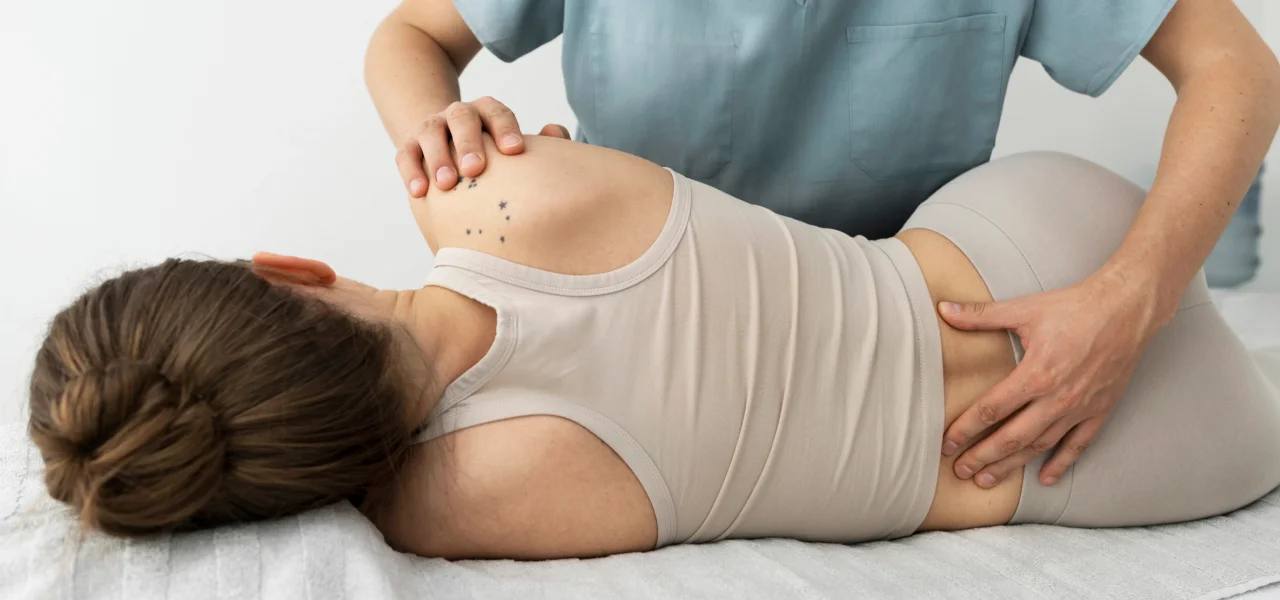
Unlocking the bodys inner web for better movement, posture, and well-being.
Ever feel like your body is tight no matter how much you stretch? Or that certain areas feel stuck, tense, or just not moving the way they should? You might be dealing with restrictions in your fasciathe bodys connective tissue network. And one of the most powerful ways to work with fascia and soft tissue is through Structural Integration (SI).
Lets dive into what fascia really is, why it matters, and how Structural Integration can have a deep and lasting impact on the way your body feels and functions.
What Is Fascia, and Why Should You Care?
Fascia is the web-like connective tissue that wraps around every muscle, bone, nerve, organ, and blood vessel in your body. Think of it as the bodys internal scaffoldingit provides structure, support, and connection from head to toe.
When your fascia is healthy, its slippery, flexible, and responsive. But when it gets tight, dry, or stuck (from injury, stress, poor posture, or repetitive movement), it can:
Restrict movement
Cause chronic tension or pain
Pull your body out of alignment
Limit blood flow and nerve communication
Drain your energy
Thats where Structural Integration comes in.
How Structural Integration Affects Fascia and Soft Tissue
Structural Integration is a hands-on therapy that focuses specifically on the fascia and soft tissue system. Unlike a standard massage, SI is methodical, whole-body-focused, and designed to reorganize and rebalance the structure of the body over a series of sessions.
Heres how it worksand how it helps:
1. Breaks Up Adhesions and Restrictions
Adhesions in the fascia can cause pain, stiffness, and limited mobility. SI practitioners use slow, intentional pressure to melt through these adhesions, restoring glide between muscle layers and improving movement quality.
2. Hydrates and Revitalizes Tissue
Fascia can become dehydrated and sticky over time, especially if youre not moving much or have areas of chronic tension. SI encourages fluid exchange in the tissues, rehydrating fascia so it becomes more elastic and supple.
3. Releases Chronic Tension Patterns
Over time, fascia adapts to how you hold yourself. If youre always hunched over a desk or favoring one leg, your fascia reshapes to support that pattern. Structural Integration unwinds these deeply held patterns, helping your body return to a more balanced and functional state.
4. Restores Structural Alignment
Because fascia connects everything, restrictions in one area can pull and affect otherslike a tug in a sweater unraveling the whole shape. SI works globally to restore balance and alignment throughout the body, not just in isolated spots.
5. Enhances Sensory Awareness
Fascia is loaded with nerve endings. By working through this tissue with focused touch, SI helps retrain your nervous system, improve proprioception (your bodys sense of space), and increase your awareness of how you move and hold yourself.
6. Supports Long-Term Change
Unlike quick-fix treatments, SI aims for lasting change. Once fascial restrictions are released and alignment is restored, your body begins to move more naturallyand stays that way, especially when supported with mindful movement or strengthening exercises.
What Does It Feel Like?
Structural Integration feels different for everyone, but you might notice:
A deep, sometimes intense sensation (not painful, but stretchy or melty)
Immediate lightness or relief in certain areas
A sense of more space or openness in your body
Longer-term improvements in posture, flexibility, and ease of movement
Who Can Benefit?
SI is especially helpful for people dealing with:
Chronic tightness or stiffness
Repetitive strain or sports injuries
Poor posture and body imbalances
Scar tissue or restricted movement after surgery
Fatigue and tension that just wont go away
A desire to reconnect with their body in a more holistic way
Final Thoughts
Your fascia holds the story of how youve moved, lived, and coped over the years. Structural Integration helps you rewrite that storyby releasing whats stuck, realigning whats off, and restoring a sense of freedom, comfort, and flow in your body.
If your body feels like its holding onto more than it should, SI offers a thoughtful, hands-on approach to help you feel betternot just for the day, but for the long run.