The Importance of Core Stability for Treating Spinal Conditions explores targeted strategies for recovery. Discover new paths to mobility, healing, and personalized care.

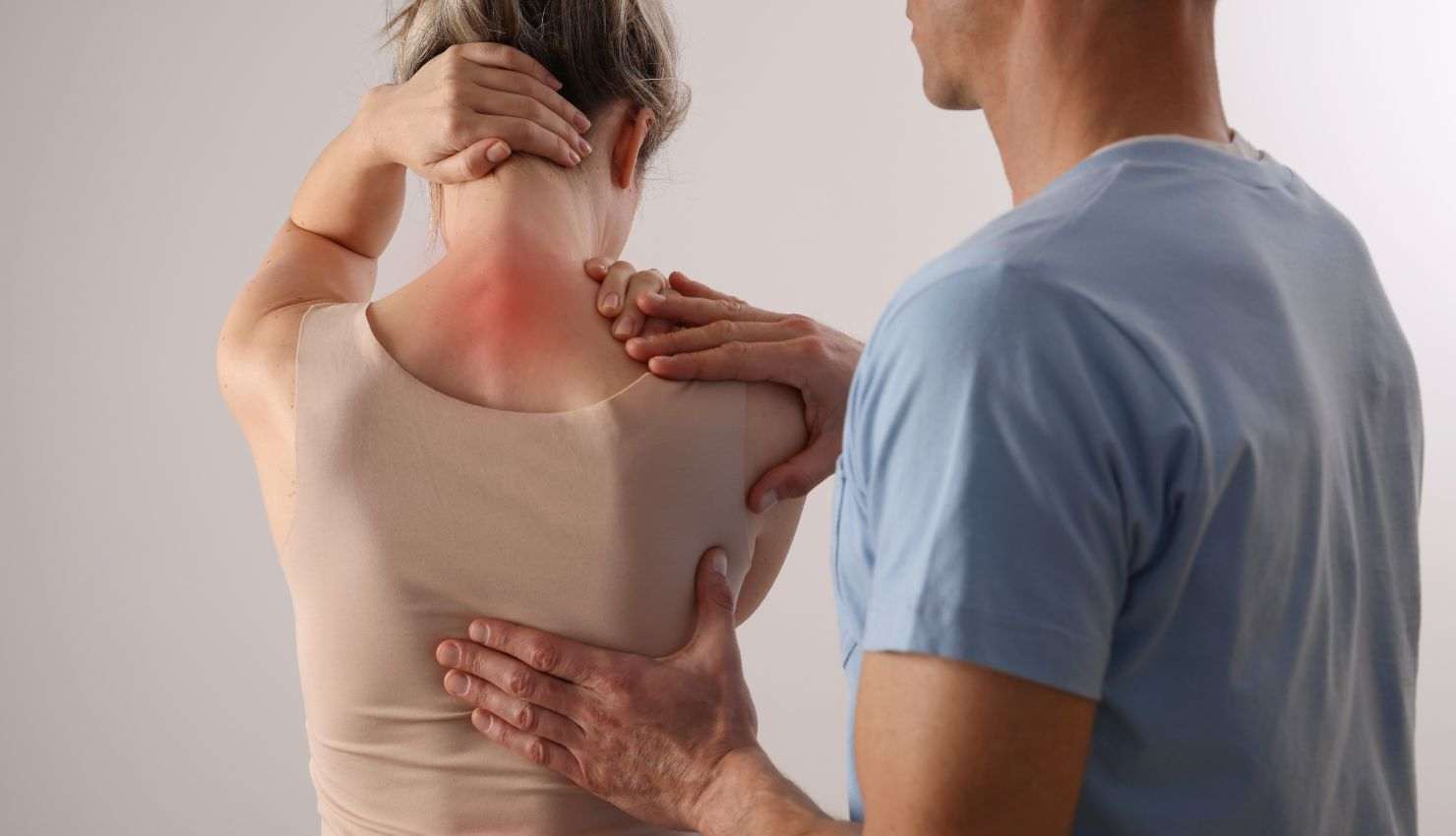
When dealing with spinal conditions, whether its chronic back pain, disc issues, or postural problems, core stability often becomes the cornerstone of effective treatment. Your core isnt just about abs or looksits the foundation that supports your spine and keeps your entire body balanced and functional. This blog explores why core stability is vital in treating spinal conditions and how physiotherapy-guided core rehabilitation can make a lasting difference.
What Is Core Stability?
Core stability refers to the ability of the muscles surrounding your trunkabdominals, back muscles, pelvic floor, and diaphragmto work together to stabilize your spine and pelvis during movement. It ensures that your spine maintains proper alignment and that forces are evenly distributed.
Good core stability means your body can control movement and resist unwanted or harmful motions that could aggravate spinal problems.
Why Core Stability Is Crucial for Spinal Health
Spinal conditions like herniated discs, spinal stenosis, spondylolisthesis, and degenerative disc disease often involve instability or abnormal movement in the spine. Weak core muscles fail to adequately support the spine, which increases the risk of worsening symptoms and injury.
By improving core stability, you provide your spine with a muscular brace that supports the vertebrae, reduces pressure on discs and nerves, and improves posture. This not only helps relieve pain but also promotes healing and prevents recurrence.
How Physiotherapy Builds Core Stability
Physiotherapists specialize in designing targeted core rehabilitation programs that focus on activating and strengthening deep stabilizing muscles such as:
Transverse abdominis: The deepest abdominal muscle, essential for spinal support.
Multifidus: Small muscles along the spine that maintain segmental stability.
Pelvic floor muscles: Support the lower spine and pelvis.
Diaphragm: Works with the core for stability through breathing.
Physiotherapy programs emphasize proper muscle activation patterns, controlled movements, and gradual progression to improve endurance and coordination.
Core Stability Exercises in Spinal Condition Treatment
Common physiotherapy core stability exercises include:
Planks: Build sustained core endurance.
Bird-Dogs: Promote coordinated core and back muscle engagement.
Pelvic Tilts: Improve lumbar spine mobility and muscle control.
Dead Bug: Develop controlled core muscle activation with limb movements.
These exercises help patients learn to stabilize their spine in functional positions, which translates into safer daily activities.
Benefits of Core Stability for Spinal Conditions
Pain Reduction: Stabilized spine reduces nerve irritation and muscle strain.
Improved Posture: Core control helps maintain spinal alignment.
Enhanced Function: Greater ability to perform daily tasks and exercise.
Prevention: Reduces risk of recurrent injuries and chronic conditions.
When to Seek Physiotherapy for Core Stability
If you have any spinal condition or chronic back pain, consulting a physiotherapist for core stability training can be a game-changer. Early intervention with core rehab can speed recovery and improve outcomes.
Final Thoughts
Core stability is fundamental to treating and managing spinal conditions. Physiotherapy offers a safe, effective path to build this stability through personalized exercises and education. Strengthening your core isnt just about fitnessits about protecting your spine for life.
For expert physiotherapy care focused on core stability and spinal health, contact Your Forms UX in Canada. Their experienced team will guide you toward a stronger core and healthier spine.