The Importance of Core Stability in Spinal Health explores targeted strategies for recovery. Discover new paths to mobility, healing, and personalized care.

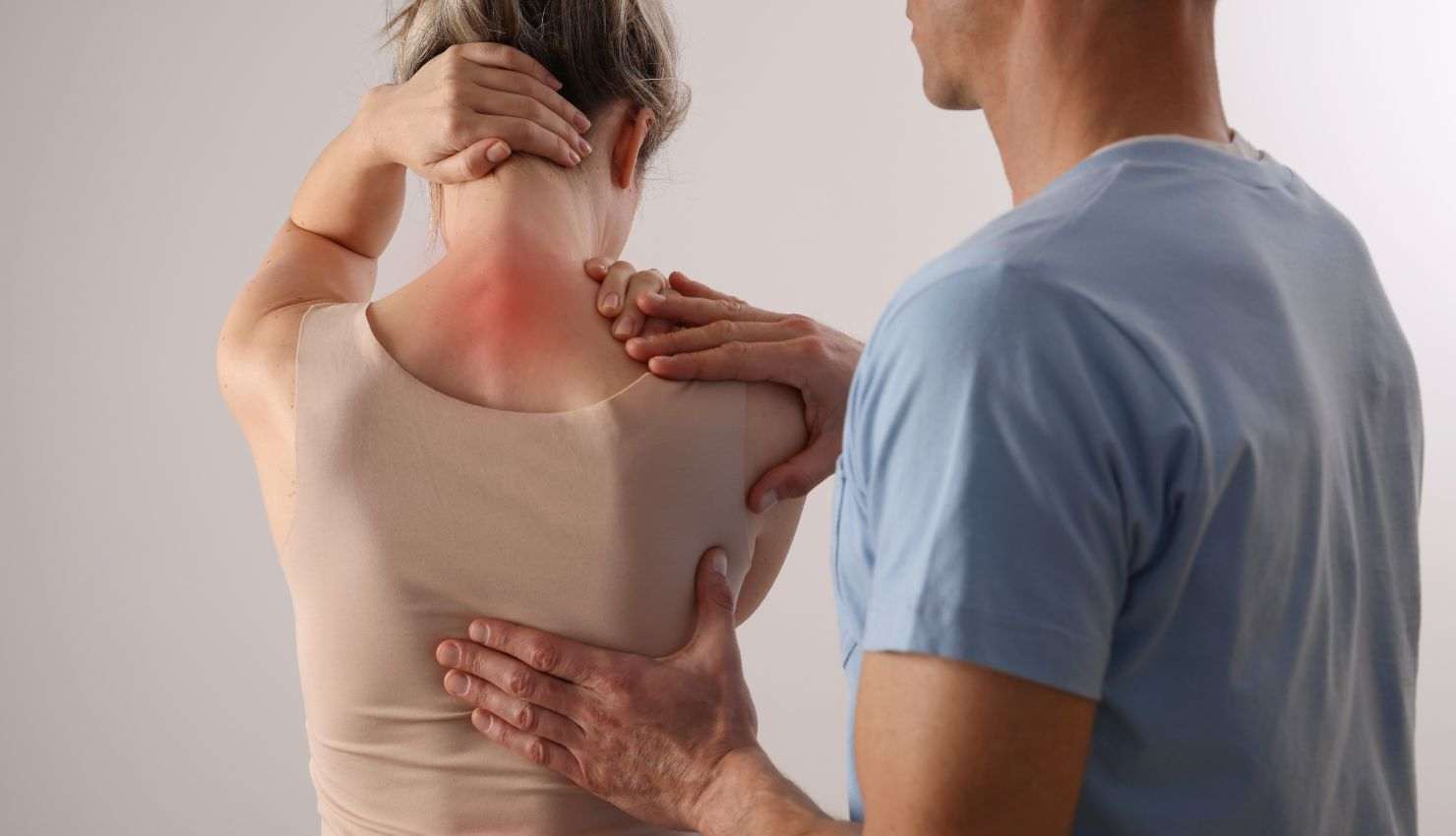
Core stability isnt just a buzzwordits the bedrock of spinal health. Whether youre recovering from injury, managing chronic back pain, or simply trying to move more efficiently, your ability to stabilize your core directly impacts the health and function of your spine. At YFS (Your Form Sux) in Canada, we emphasize core stability as a central component of every physiotherapy program, because when your core is stable, your spine is supported, protected, and primed for movement.
In this blog, well explore the concept of core stability, its connection to spinal function, and why its vital for long-term musculoskeletal health.
What Is Core Stability?
Core stability refers to the ability of your deep abdominal and back muscles to support your spine during movement and when at rest. Unlike traditional core strengthwhich focuses on muscle size or endurancestability is about control and coordination.
Core stability depends on the proper function of:
Transverse abdominis your bodys natural corset
Multifidus deep spinal muscles that provide segmental control
Diaphragm works with abdominal muscles to regulate intra-abdominal pressure
Pelvic floor stabilizes the base of your core
Obliques and rectus abdominis contribute to trunk movement and rotational control
When these muscles work in sync, they form a strong, adaptable support system for the spine.
Why Core Stability Is Crucial for Spinal Health
The spine needs stability to function safely and effectively. Without it, the vertebrae, discs, and joints are forced to absorb stress in ways they were never meant toleading to injury, pain, or degeneration over time.
Heres how core stability protects the spine:
Maintains alignment Keeps your spine in neutral position during movement
Distributes loads evenly Reduces stress on discs and joints
Enhances movement efficiency Makes every step, lift, or twist more fluid
Prevents injury Limits the risk of strains, sprains, and disc herniation
Improves balance and control Essential for everyday tasks and athletic performance
At YFS, we often say: a stable core is a strong spines best friend.
Signs Your Core Stability Needs Work
Most people dont realize their core stability is compromiseduntil pain or dysfunction shows up. Some common signs include:
Lower back pain, especially after sitting or lifting
Poor posture or slouching while standing
Difficulty balancing on one leg
Excessive sway or movement during exercise
Lack of control during twisting or reaching movements
Recurring muscle tightness or strain in the lower back
If youre experiencing any of these symptoms, a physiotherapy-led core stability program may be the solution.
How Physiotherapy Builds Core Stability
At YFS, we specialize in evidence-based, progressive core stability training. Heres how we guide patients through the process:
1. Comprehensive Assessment
We begin by evaluating:
Muscle activation patterns
Spinal posture and movement control
Breathing mechanics
Core endurance and fatigue
Movement quality during basic tasks like walking, bending, or standing
This helps us pinpoint the root of instabilitynot just where you hurt.
2. Breathwork and Activation
Effective core stability begins with breath control. Many people unknowingly hold their breath or breathe shallowly, limiting core function.
We teach:
Diaphragmatic breathing
Core bracing techniques
Pelvic floor engagement
This lays the foundation for engaging deep stabilizers during any activity.
3. Low-Load, High-Control Exercises
Instead of heavy lifting, we focus on slow, precise movements that train the brain-body connection. Key exercises include:
Dead bug
Bird-dog
Side plank holds
Glute bridge with core activation
Modified curl-ups
These exercises challenge the core to stabilize the spine without unnecessary strain.
4. Functional and Dynamic Progression
Once baseline stability improves, we progress toward:
Unilateral exercises (e.g., single-leg stance, one-arm carries)
Core rotation and anti-rotation drills (e.g., Pallof press)
Balance training on unstable surfaces
Functional strength (e.g., squats, lunges with bracing)
This helps transfer stability into real-world tasks like lifting, reaching, or playing sports.
5. Postural Integration
Core stability only works if you apply it throughout the day. Our physiotherapists coach you on:
Sitting and standing alignment
Ergonomic setup at work or home
Core engagement during daily activities
Movement strategies that minimize spinal stress
Long-Term Benefits of Core Stability
Consistent core stability training under physiotherapy supervision offers a range of long-term advantages:
Reduced back pain Especially in cases of chronic or recurrent low back discomfort
Better posture Natural upright alignment with less effort
Improved athletic performance More control and power in movement
Fewer injuries Especially in the lower back, hips, and pelvis
Improved confidence in movement Move freely without fear of pain or reinjury
These arent just fitness benefitstheyre essential to staying active and independent as you age.
Who Needs Core Stability Training?
Everyone can benefit, but its especially important for:
Individuals with chronic low back or neck pain
People recovering from disc injuries or spinal surgery
New mothers rebuilding postpartum stability
Office workers with sedentary lifestyles
Athletes returning from injury
Older adults seeking fall prevention and postural support
Conclusion
Core stability is the silent hero of spinal health. Without it, your spine is exposed to wear, tear, and strain. But with it, you gain protection, power, and peace of mind. At YFS, our physiotherapists specialize in building true core stabilitynot just strength, but intelligent, coordinated movement that supports your spine every day.