The Importance of Core Strength for Long-Term Spinal Health explores targeted strategies for recovery. Discover new paths to mobility, healing, and personalized care.

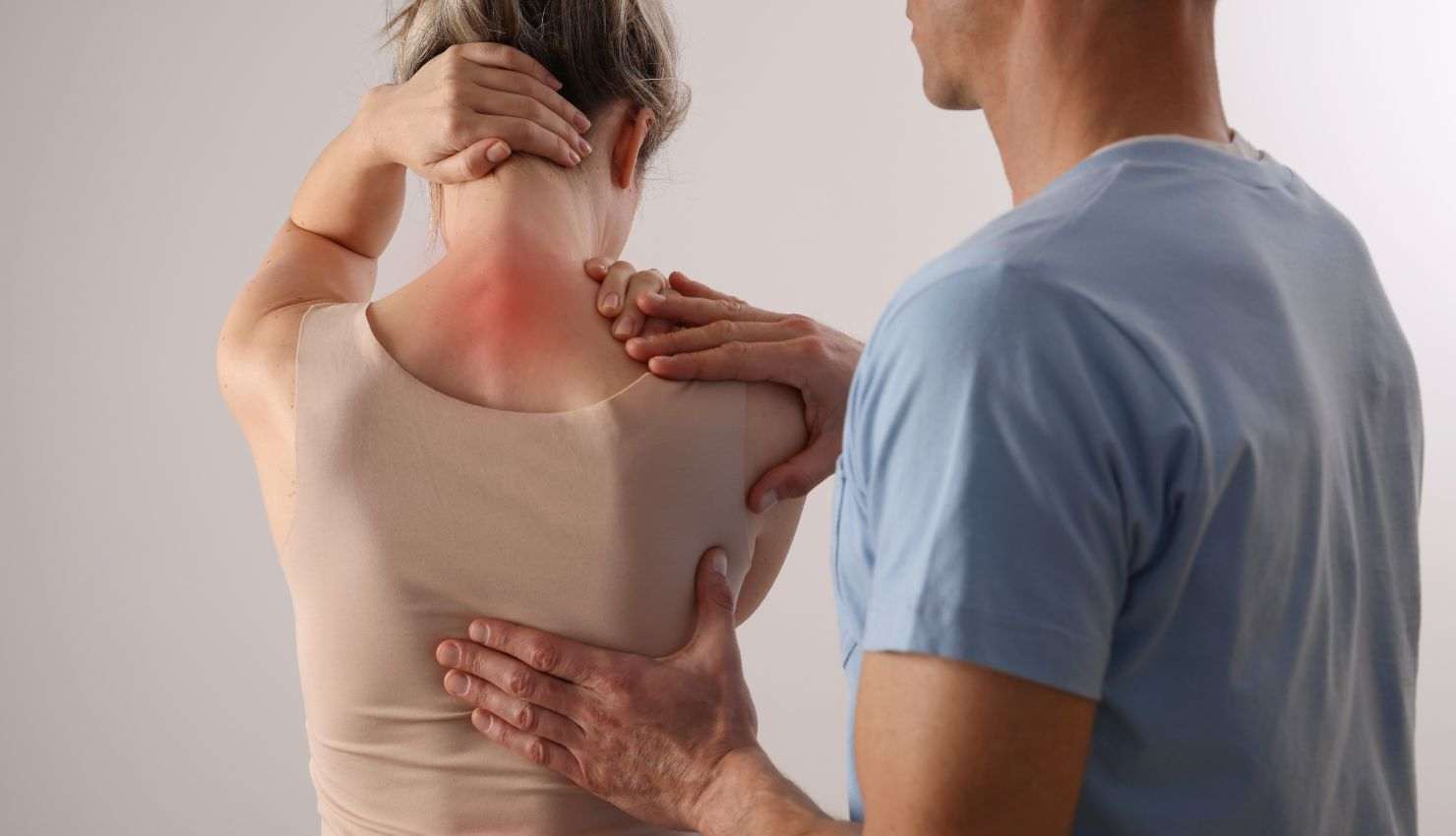
When it comes to maintaining a healthy spine over the long term, core strength is one of the most critical factors. The muscles of your core not only provide support for your spine but also play a key role in maintaining proper posture, ensuring mobility, and preventing injury. Without adequate core strength, the spine becomes vulnerable to strain, pain, and degenerative changes that can severely impact quality of life.
At Your Forms UX (YFS) in Canada, physiotherapists understand the vital role core strength plays in spinal health and design comprehensive rehabilitation programs to develop and maintain this strength over time. Through targeted exercises, manual therapy, and education, physiotherapy helps clients achieve lasting spinal support and functional movement.
So why is core strength so important for spinal health? Your core includes muscles like the transverse abdominis, multifidus, pelvic floor, and diaphragm, which collectively act as a natural brace around your spine and pelvis. These muscles help stabilize the spine during movement and maintain its natural curvature when at rest. Strong core muscles reduce the load on spinal discs, joints, and ligaments, protecting these structures from wear and injury.
Lack of core strength often leads to poor posture, muscle imbalances, and inefficient movement patterns, which increase the risk of chronic back pain and spinal dysfunction. Over time, this can contribute to conditions such as herniated discs, spinal stenosis, and facet joint arthritis.
Physiotherapy begins with a thorough evaluation of core muscle function, spinal alignment, and movement quality. This helps physiotherapists identify weaknesses, imbalances, and faulty movement patterns that can undermine spinal health.
From there, a personalized program is developed, emphasizing exercises that specifically target the deep stabilizing muscles of the core. These exercisessuch as pelvic tilts, bridges, bird-dogs, and planksare designed to activate the muscles responsible for spinal stability without putting excessive strain on the spine.
The approach at Your Forms UX also integrates manual therapy techniques to improve flexibility, release muscle tension, and restore joint mobility. This combination enhances the effectiveness of core strengthening and facilitates better spinal function.
Education is a fundamental part of physiotherapy, empowering clients to maintain core strength and spinal health through lifestyle changes. Proper posture, ergonomic adjustments, and safe movement strategies are taught to prevent future injury and promote long-term wellness.
The benefits of maintaining strong core muscles extend well beyond pain relief. Improved core strength enhances balance, coordination, and endurance, making daily activities easier and reducing the risk of falls or injury. For athletes and active individuals, a strong core supports better performance and faster recovery.
Investing in core strength through physiotherapy is a proactive step toward preserving spinal health and quality of life. Regular maintenance exercises and periodic assessments at Your Forms UX can help you stay ahead of potential problems and enjoy pain-free movement well into the future.
In conclusion, core strength is the foundation of long-term spinal health. Physiotherapy provides the tools and guidance needed to build and maintain this strength safely and effectively. If you want to protect your spine and improve your overall function, working with a physiotherapist at Your Forms UX to develop a personalized core strengthening program is an excellent choice.